What Is Tooth Polishing?
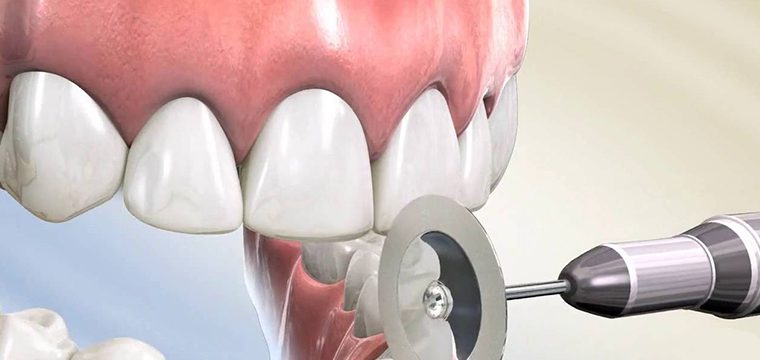
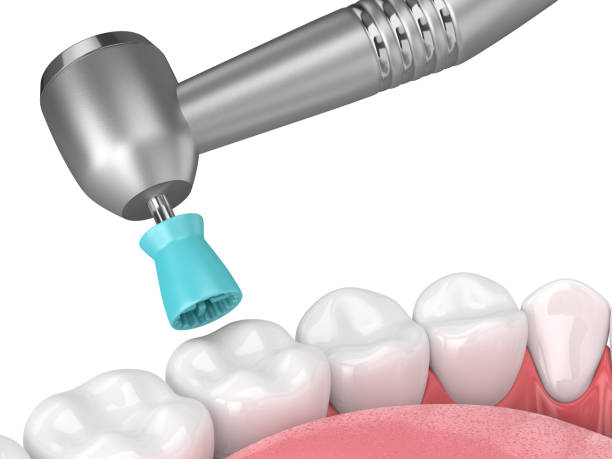
Tooth polishing is a preventive dental procedure that smooths the surfaces of your teeth after scaling. During polishing, a dental hygienist uses a slow-speed handpiece fitted with a rubber cup or brush, along with a mildly abrasive paste, to buff away surface stains and residual plaque. The result is a cleaner, smoother tooth surface that resists new plaque buildup and looks visibly brighter.
Polishing is typically performed as the final step of a professional cleaning appointment. While it does not replace brushing and flossing at home, it addresses areas that are difficult to reach with a toothbrush and provides a level of smoothness that daily care alone cannot achieve.
Benefits of Tooth Polishing
Prevents Cavities
Plaque is a sticky film of bacteria that constantly forms on your teeth. If it is not removed, the acids produced by these bacteria eat through tooth enamel and create cavities. Polishing removes residual plaque that scaling may leave behind, particularly in pits, fissures, and interproximal spaces. A smoother enamel surface also makes it harder for new plaque to adhere, which provides ongoing protection between dental visits.
Freshens Breath
Persistent bad breath, known as halitosis, often originates from bacterial colonies living in plaque and tartar deposits. By removing these deposits and the bacteria they harbor, polishing can noticeably improve breath quality. When combined with regular scaling and good home hygiene, tooth polishing helps keep your mouth fresh throughout the day.
Reduces the Risk of Gum Disease
Plaque that is not removed eventually hardens into tartar, which irritates the gums and can lead to gingivitis. Left untreated, gingivitis progresses into periodontitis, a serious condition that destroys the bone supporting your teeth. Regular polishing after scaling helps keep the gum line clear of irritants, reducing inflammation and lowering the risk of periodontal disease and tooth loss.
Supports Overall Health
Research has shown links between oral bacteria and systemic conditions such as cardiovascular disease and diabetes complications. Maintaining a clean oral environment through regular professional cleanings, including polishing, may contribute to better overall health outcomes. While polishing alone is not a treatment for systemic disease, it forms one part of a sound preventive care routine.
Types of Tooth Polishing
Not all polishing techniques serve the same purpose. Dental professionals choose among several methods depending on the clinical situation and the patient's needs.
Therapeutic Polishing
Therapeutic polishing is performed after periodontal surgery or root planing. During these procedures, the cementum layer covering the tooth root may become exposed. Therapeutic polishing removes bacteria, endotoxins, and debris from the cementum surface, promoting healing and reducing the chance of reinfection. This type of polishing uses fine-grit pastes to avoid damaging the delicate root surface.
Coronal (Cosmetic) Polishing
Coronal polishing targets the visible crown of the tooth. Its primary goal is to remove superficial extrinsic stains caused by coffee, tea, wine, and tobacco. A superfine abrasive paste is applied with a rubber cup attachment, buffing the enamel until it reflects light with a natural shine. This method is the most commonly performed type of polishing during routine dental visits.
Selective Polishing
Selective polishing, also called selective stain removal, limits polishing to only those teeth that show visible staining after scaling. Rather than polishing every tooth surface, the hygienist focuses on specific areas where discoloration remains. This approach minimizes unnecessary enamel abrasion and is considered the current best practice in many dental hygiene programs.
Air Polishing
Air polishing uses a device that sprays a controlled stream of air, water, and fine powder (often sodium bicarbonate or glycine) at the tooth surface. It is effective for removing heavy staining and biofilm from hard-to-reach areas, including orthodontic brackets and implant surfaces. Air polishing is faster than cup polishing for widespread stain removal but may not be suitable for patients with respiratory sensitivities.
Types of Dental Stains
Understanding the type of stain on a patient's teeth helps the dentist determine whether polishing will be effective.
| Stain Type | Origin | Removable by Polishing? |
|---|---|---|
| Extrinsic | External sources: coffee, tea, tobacco, wine, food pigments | Yes |
| Intrinsic (Endogenous) | Internal causes: tetracycline, fluorosis, enamel hypoplasia | No |
Extrinsic stains sit on the outer surface of enamel and respond well to professional polishing. Intrinsic stains are embedded within the tooth structure and require other treatments such as bleaching or veneers to address.
The Tooth Polishing Procedure Step by Step
A standard polishing procedure follows a clear sequence. Here is what happens during a typical appointment.
- Examination: The dentist or hygienist examines your teeth for decay, cracks, and weak spots in the enamel. Any areas of concern are noted before proceeding.
- Scaling: Plaque and calcified tartar are removed from tooth surfaces using ultrasonic scalers or hand instruments. Scaling must be completed before polishing can begin.
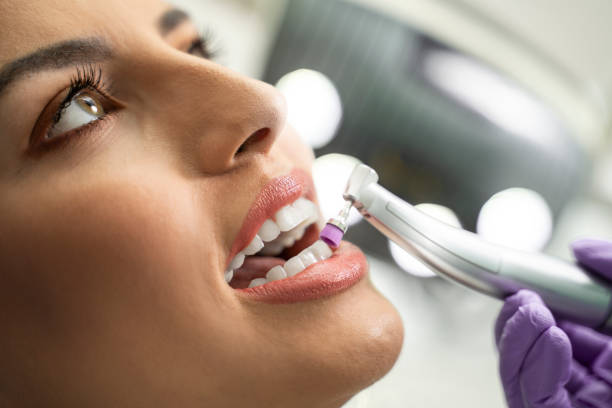
- Polishing: A slow-speed handpiece with a rubber cup is loaded with prophy paste. The cup is applied to each tooth surface with light, intermittent pressure. The hygienist works systematically through each quadrant of the mouth.
- Flossing: After polishing, the hygienist flosses between all teeth to remove any remaining paste and debris from interproximal spaces.
- Fluoride application: A fluoride varnish or gel is applied to strengthen enamel and provide additional cavity protection. The patient is typically asked to avoid eating or drinking for 30 minutes afterward.
Polishing Tools and Instruments
Several instruments are used during polishing, each suited to a specific task.
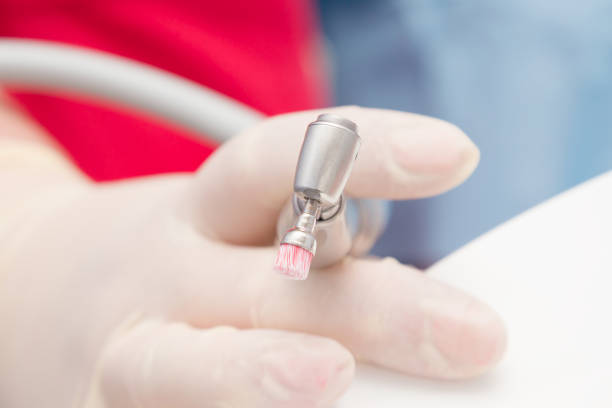
- Rubber cups: The most common polishing attachment. Cups flex against the tooth surface and distribute paste evenly. They come in firm, medium, and soft varieties.
- Bristle brushes: Used on occlusal (biting) surfaces where pits and grooves trap stains. Brushes should be used with care to avoid gum irritation.
- Prophy paste: An abrasive paste available in coarse, medium, fine, and extra-fine grits. Coarser pastes remove heavy stains, while finer pastes produce a smooth finish.
- Air polishing units: Handheld devices that deliver a powder-air-water spray for rapid biofilm and stain removal.
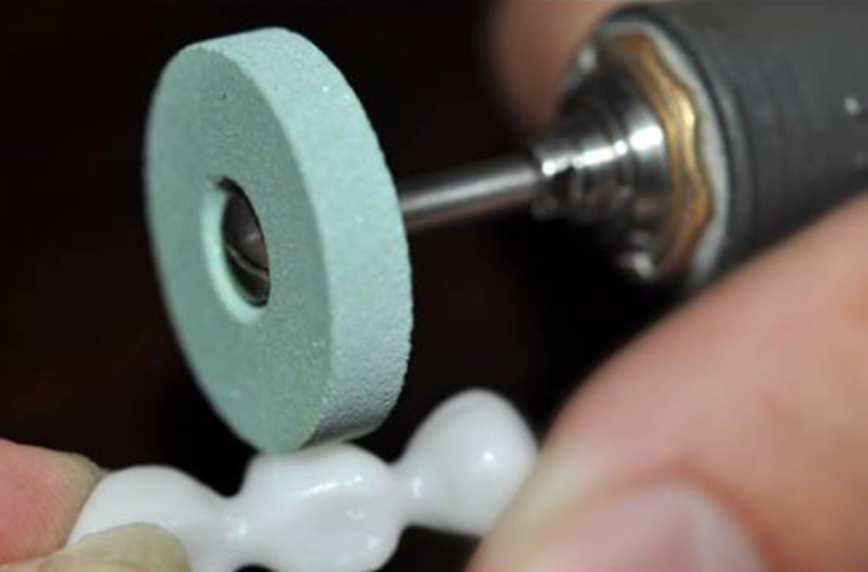
Dental practices that perform restorations and polishing on materials like zirconia or composite may benefit from specialized silicone rubber polishers designed for intraoral finishing work. These polishers provide a high-gloss finish without scratching restorative surfaces.
Precautions and Contraindications
Tooth polishing is safe for most patients, but certain situations require extra caution or may rule it out entirely.
- Sensitive teeth: Patients with exposed dentin or significant enamel erosion may experience discomfort. Using a fine or extra-fine prophy paste and a soft rubber cup reduces abrasion.
- Respiratory conditions: Air polishing generates an aerosol spray. Patients with asthma or chronic obstructive pulmonary disease may need to use cup polishing instead.
- Allergy to abrasive agents: Some prophy pastes contain flavorings or compounds that can trigger allergic reactions. Always review the patient's allergy history before selecting a paste.
- Newly erupted teeth: Young permanent teeth with immature enamel may be more susceptible to abrasion. Selective polishing is recommended in pediatric patients.
How Often Should You Get Your Teeth Polished?
For most adults, polishing during a routine cleaning every six months is sufficient. Patients who are prone to heavy staining from coffee, tea, or tobacco may benefit from more frequent appointments. Those with active periodontal disease may need professional cleanings, including polishing, every three to four months as part of their maintenance plan.
Your dentist will recommend a schedule based on your individual oral health status. Following that schedule, along with consistent brushing and flossing at home, is the most reliable way to maintain healthy teeth and gums between visits.
For more on preventive care and prophylaxis, read our article on the importance of dental prophylaxis in preventing gum disease. You may also find our guide on whether prophy polishing can help whiten your teeth helpful in understanding the cosmetic benefits of this procedure.