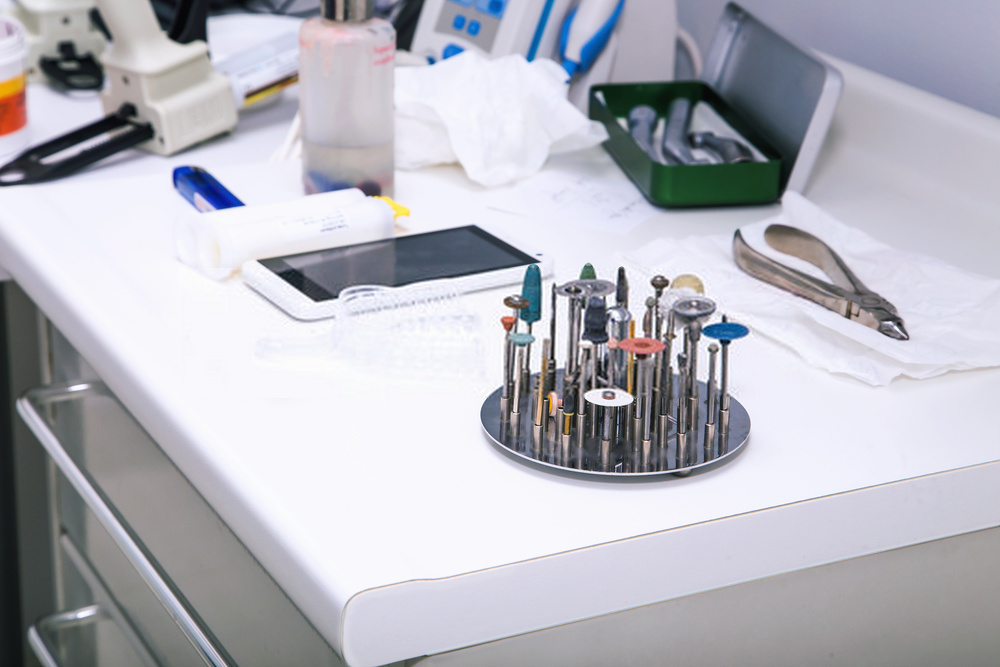
Budgeting for rotary instruments is a routine part of running any dental practice or laboratory. Whether you are setting up a new clinic, restocking supplies, or switching vendors, knowing what dental burs actually cost helps you make smarter purchasing decisions. Prices vary widely depending on the bur material, manufacturing method, grit type, and order volume.
This guide provides current price ranges for the most common categories of dental burs and explains the factors that move the cost up or down.
Average Dental Bur Prices at a Glance
The table below shows typical per-unit cost ranges you can expect when purchasing dental burs at standard retail quantities. Bulk and wholesale pricing can reduce these figures significantly.
| Bur Type | Price Range (per piece) | Typical Use |
|---|---|---|
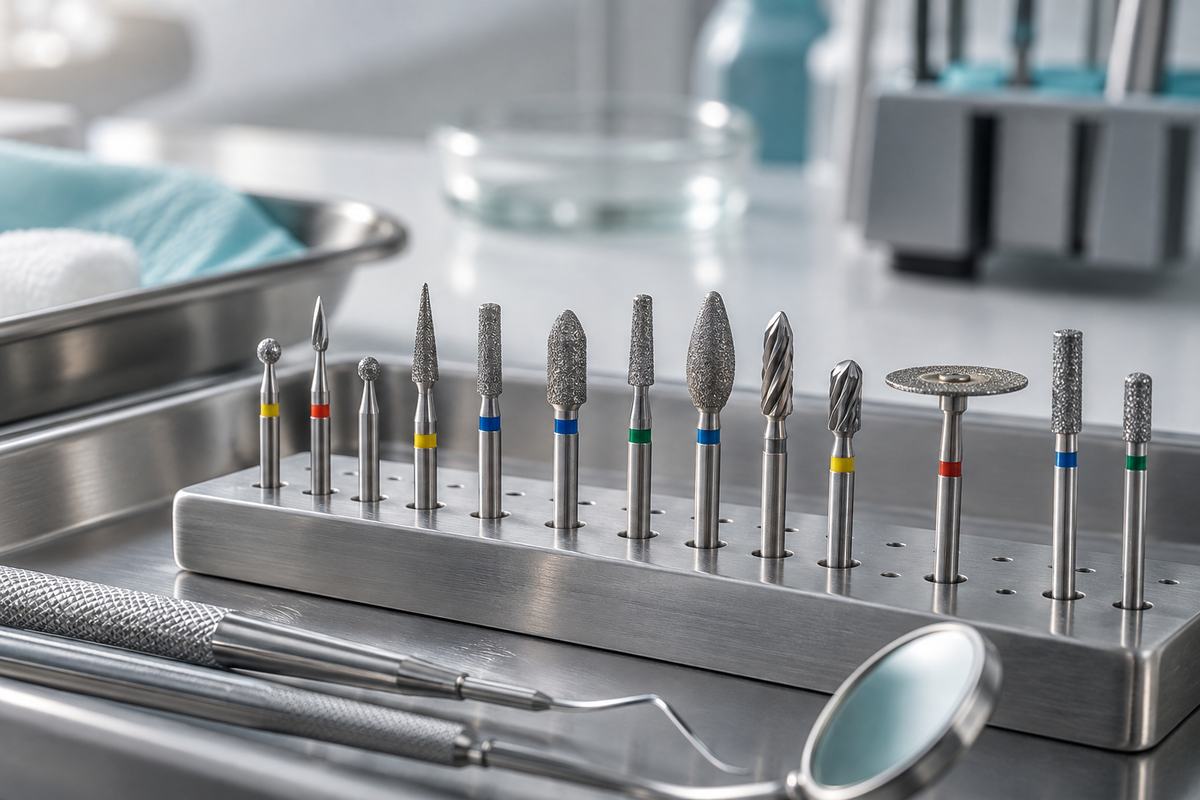
| FG Diamond Burs (standard grit) | $0.50 – $2.00 | Crown prep, enamel cutting, finishing |
| FG Tungsten Carbide Burs | $1.00 – $4.00 | Cavity prep, amalgam removal, sectioning |
| Multi-Fluted Finishing Burs | $2.00 – $5.00 | Composite and margin finishing |
| Surgical Carbide Burs (HP shank) | $1.50 – $5.00 | Bone removal, implant site prep |
| Laboratory Diamond Burs (HP shank) | $2.00 – $8.00 | Model trimming, ceramic adjustment |
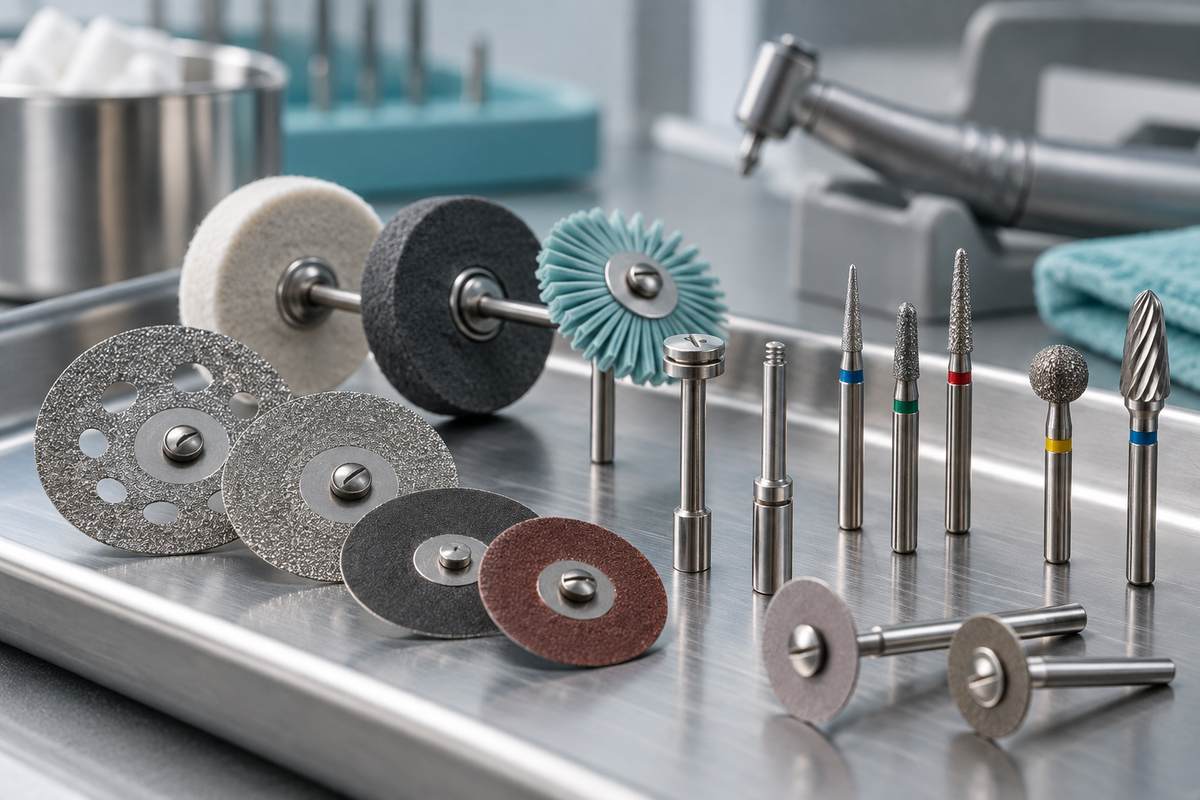
| Silicone Rubber Polishers | $0.80 – $2.50 | Final polish on composite and ceramic |
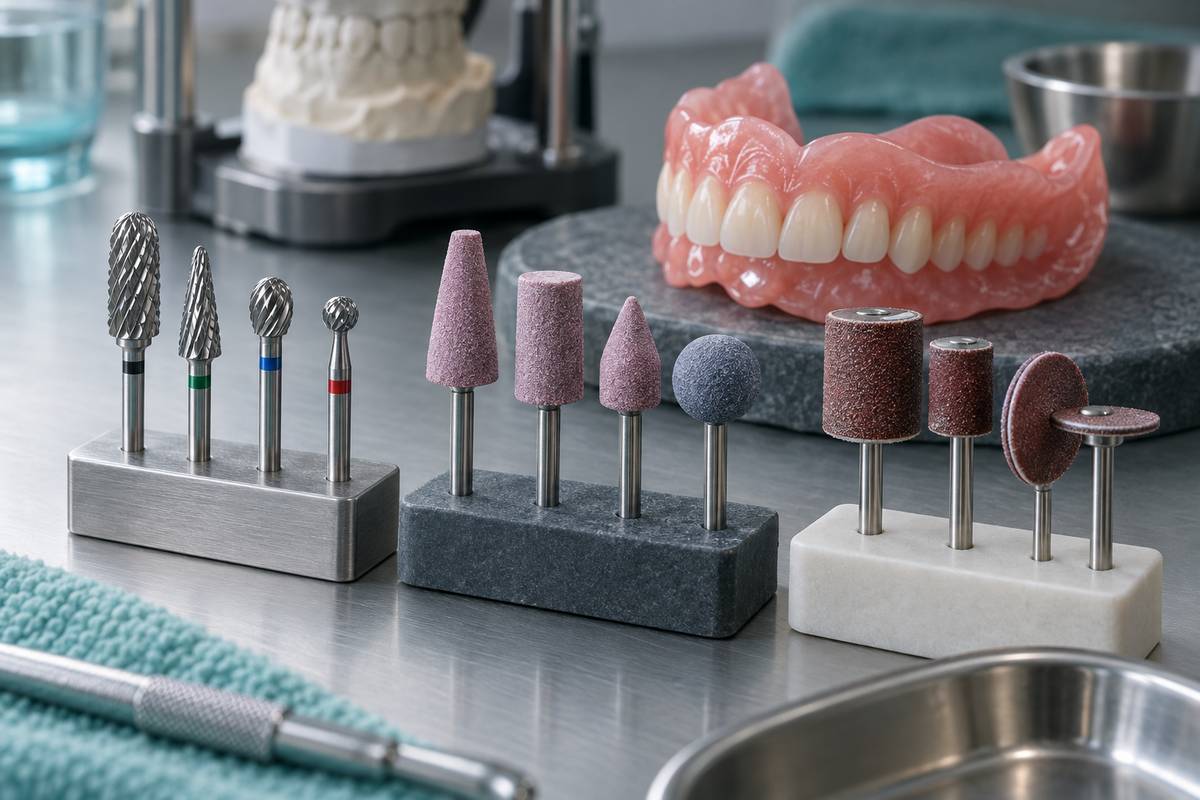
| Mounted Stones (green/white) | $0.40 – $1.50 | Porcelain adjustment, pre-polishing |
These figures reflect mid-market pricing from established manufacturers. Premium brands from Europe or Japan may cost more, while economy lines from high-volume factories often sit at the lower end of each range.
What Determines the Cost of a Dental Bur?
Several factors influence the final price tag on any dental bur. Understanding these variables helps you evaluate whether a higher price actually means better performance or just a bigger margin for the distributor.
1. Material Composition
Diamond burs use industrial diamond particles bonded to a stainless steel blank. The quality of the diamond grit, the bonding method (electroplated vs. sintered), and the density of particle coverage all affect cost. Sintered diamond burs last longer and cost more than electroplated versions.
Tungsten carbide burs are machined from solid carbide rod stock. The grade of the carbide, the number of flutes, and the precision of the machining determine price. A 30-blade finishing bur costs more than a standard 6-blade operative bur because it requires tighter tolerances during production.
For a full comparison of these two materials and their performance characteristics, see our article on diamond burs vs. carbide burs.
2. Shank Type and Length
Burs are manufactured with different shank standards to fit specific handpieces. The most common types include:
- FG (Friction Grip) – 1.6 mm diameter, fits high-speed turbine handpieces. These are the least expensive per unit because production volumes are highest.
- RA (Right Angle) – Fits slow-speed contra-angle handpieces. Slightly higher cost than FG due to lower demand.
- HP (Handpiece) – 2.35 mm diameter, fits straight handpieces for lab and surgical use. Larger shank and longer overall length mean more raw material and higher cost.
Surgical-length burs with extended shanks carry a premium over standard-length equivalents because the additional material and machining add to production time.
3. Grit Size and Coating
Diamond burs come in a range of grit sizes from super-coarse to ultra-fine. Coarse burs for bulk reduction tend to cost the same as or slightly less than fine-grit finishing burs. However, specialty coatings—such as colored-band identification rings or anti-clogging treatments—can add $0.25 to $1.00 per unit.
4. Manufacturing Origin
Where a bur is manufactured plays a significant role in its retail price. Burs produced in high-volume facilities in China typically cost 40–60% less than comparable products from European manufacturers. Importantly, many budget-friendly burs now match the dimensional accuracy and cutting performance of premium lines thanks to improvements in CNC machining and quality control processes.
How to Save on Dental Bur Purchases
Most dental practices spend more than necessary on rotary instruments simply because they order in small quantities or stick with a single distributor out of habit. Here are practical strategies to reduce your bur costs without sacrificing quality.
Buy in Bulk
The single most effective way to lower your per-unit cost is to increase your order size. Most manufacturers and distributors offer tiered pricing that rewards larger orders. A typical discount structure looks like this:
| Order Size | Typical Discount |
|---|---|
| 1–49 pieces | Standard retail price |
| 50–99 pieces | 10–15% off |
| 100–499 pieces | 20–30% off |
| 500+ pieces | 30–50% off |
If your practice uses 20–30 burs per week, placing a quarterly order of 300+ units can cut your annual bur spend by a meaningful amount.
Standardize Your Bur Selection
Practices that use a streamlined set of bur shapes spend less than those that stock dozens of rarely used profiles. By identifying the 8–10 shapes that cover 90% of your procedures, you can consolidate orders around those items and qualify for higher volume discounts. Our guide on the most used dental burs can help you narrow down your selection.
Order Directly from the Manufacturer
Buying through a distributor adds a markup of 30–60% on top of the factory price. When possible, ordering directly from the manufacturer eliminates that middleman cost. Many manufacturers also offer free shipping thresholds—for example, free delivery on orders over $99—that further reduce your effective per-unit price.
Consider Disposable vs. Reusable Economics
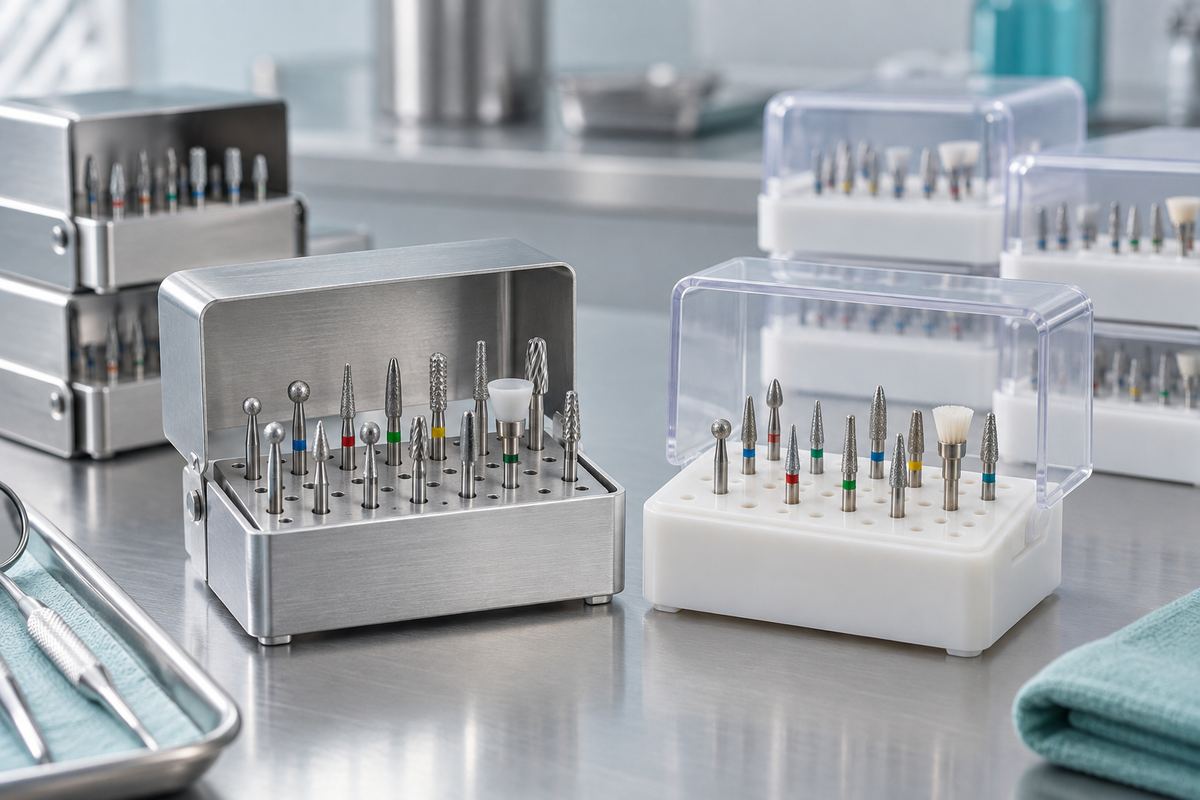
Single-use diamond burs cost less per unit than premium reusable burs, but the per-procedure cost may be higher if you were previously getting multiple uses from each bur. Conversely, single-use burs eliminate sterilization labor and ensure consistent cutting performance on every patient. The right choice depends on your procedure volume and sterilization workflow.
Cost Breakdown by Procedure
To put these prices into clinical context, here is what the bur cost looks like for several common procedures when using mid-range instruments:
| Procedure | Burs Used | Estimated Bur Cost |
|---|---|---|
| Single crown preparation | 2–3 diamond burs + 1 carbide finishing bur | $3.00 – $8.00 |
| Class II composite restoration | 1 carbide operative bur + 1 finishing bur | $2.50 – $6.00 |
| Surgical extraction (sectioning) | 1–2 cross-cut carbide burs | $2.00 – $5.00 |
| Porcelain veneer preparation | 2–3 diamond burs (depth cuts + reduction) | $2.00 – $5.00 |
| Lab crown adjustment | 1 HP diamond bur + 1 rubber polisher | $3.00 – $9.00 |
When you compare these figures to the total fee for each procedure, bur costs typically represent less than 1–2% of the production revenue. Even so, those small amounts add up across thousands of procedures per year, which is why smart purchasing habits matter.
Where to Buy Dental Burs
You can purchase dental burs from several types of sources, each with different price points and service levels:
- Dental supply distributors – Convenient and fast, but typically the most expensive option. Useful for emergency restocks.
- Manufacturer direct – Best pricing, especially for bulk orders. Look for manufacturers that offer online ordering with clear product catalogs.
- Online dental marketplaces – Competitive pricing with reviews from other buyers. Verify that the seller is an authorized dealer to avoid counterfeit products.
- Group purchasing organizations (GPOs) – Multi-practice buying groups that negotiate volume discounts on behalf of members.
Browse our full catalog of diamond dental burs and tungsten carbide burs to see current pricing and product specifications.
Getting the Best Value
The cost of dental burs has dropped steadily over the past decade as manufacturing technology has improved and global competition has increased. Today, a well-run practice can equip its operatories with high-quality rotary instruments at a fraction of what the same tools cost fifteen years ago.
The key to getting the best value is to standardize your bur selection, order in sufficient volume to qualify for bulk discounts, and work with a supplier that offers consistent quality and reliable delivery. Doing so keeps your instrument costs predictable and your clinical outcomes consistently high.