Choosing Dental Cabinets That Match Your Specialty
Every dental specialty places different demands on clinical storage. A pediatric operatory does not need the same cabinet layout as an oral surgery suite, and an orthodontic practice has instrument organization requirements that differ from a general dentistry office. Selecting the right cabinets for your specialty reduces wasted motion, keeps supplies accessible, and supports infection control protocols from day one.
This guide walks through cabinet recommendations for five common dental specialties, along with general selection criteria that apply to every practice type.
General Dentistry: Versatility First
General dentists perform the widest range of procedures under one roof. From composite restorations to prophylaxis to simple extractions, the instrument and material inventory is broad. Cabinets in a general dentistry operatory need to accommodate this variety without becoming cluttered.
Look for cabinets with adjustable shelving that can be reconfigured as your supply mix changes. Deep drawers with modular dividers let you organize instruments by procedure type rather than by size, which speeds up tray setup. A minimum of six to eight drawers per operatory station is a good starting point.
Upper cabinets with shallow shelves work well for frequently used items like bonding agents, etchants, and composite syringes. Reserve lower cabinets for bulk supplies and backup stock. Label every drawer and shelf position so that any team member can find what they need without searching.
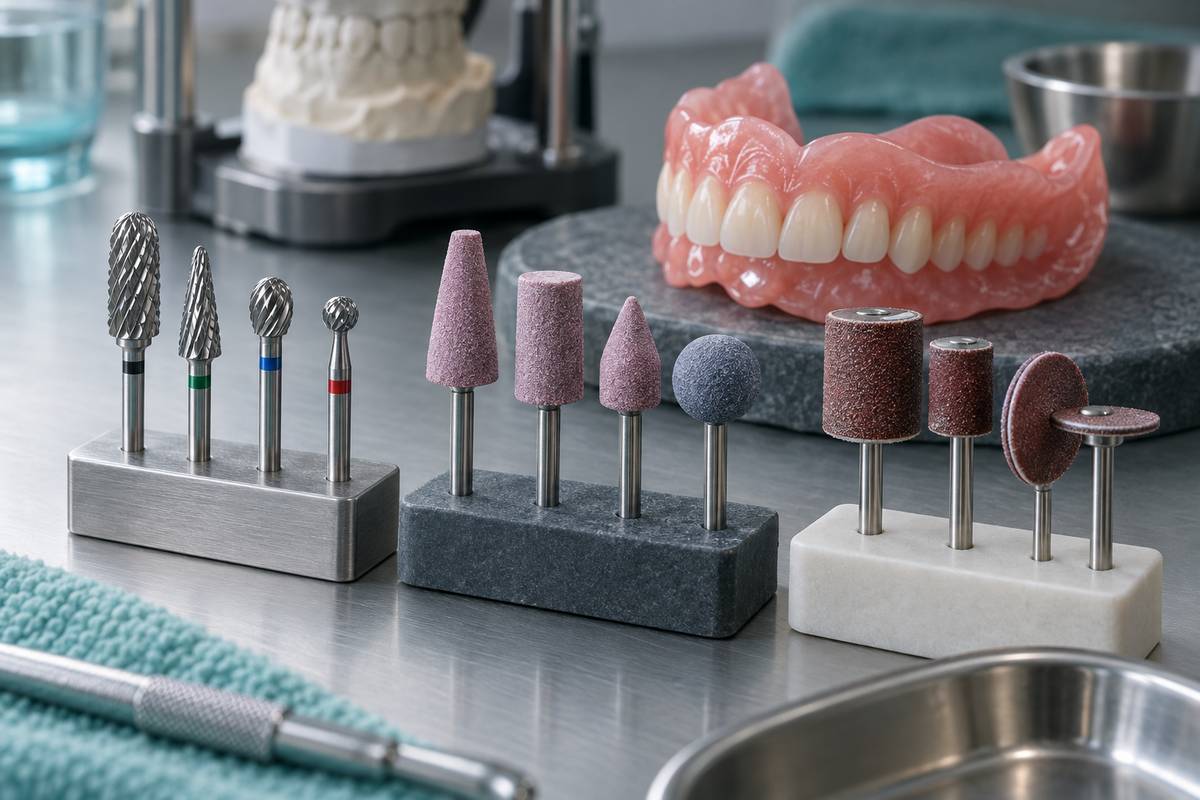
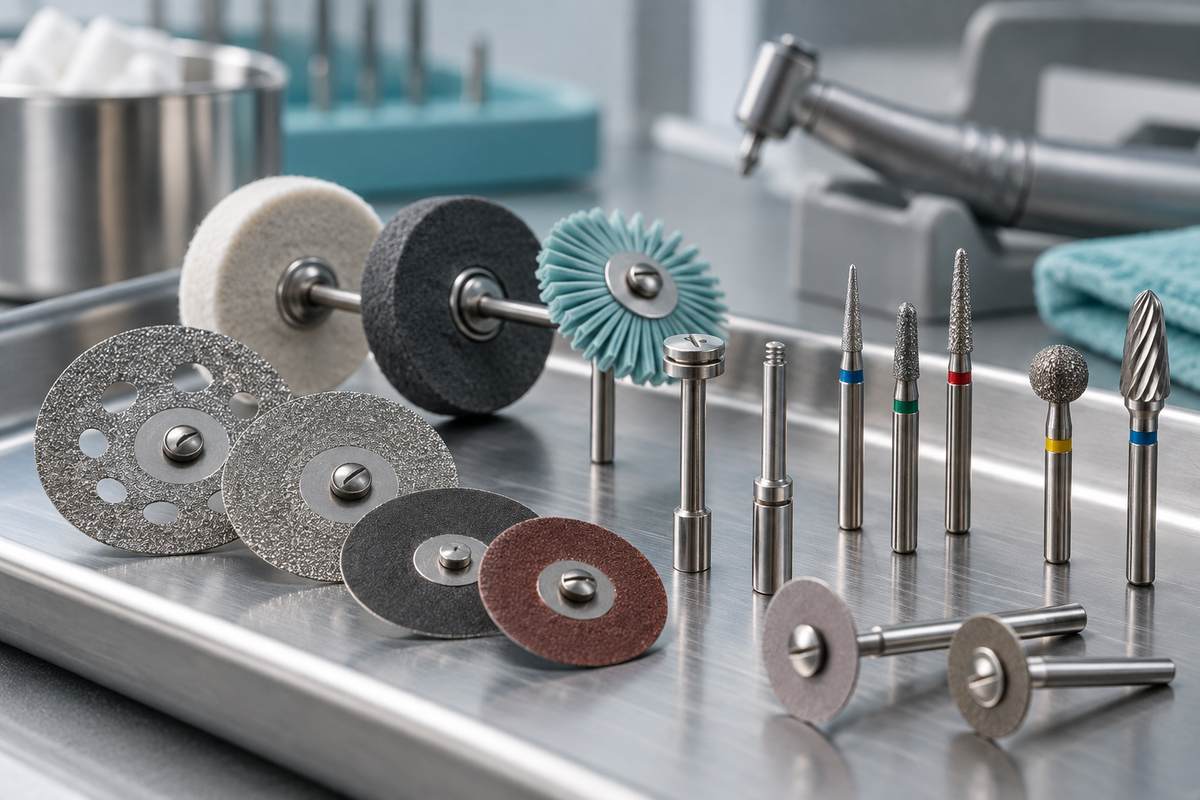
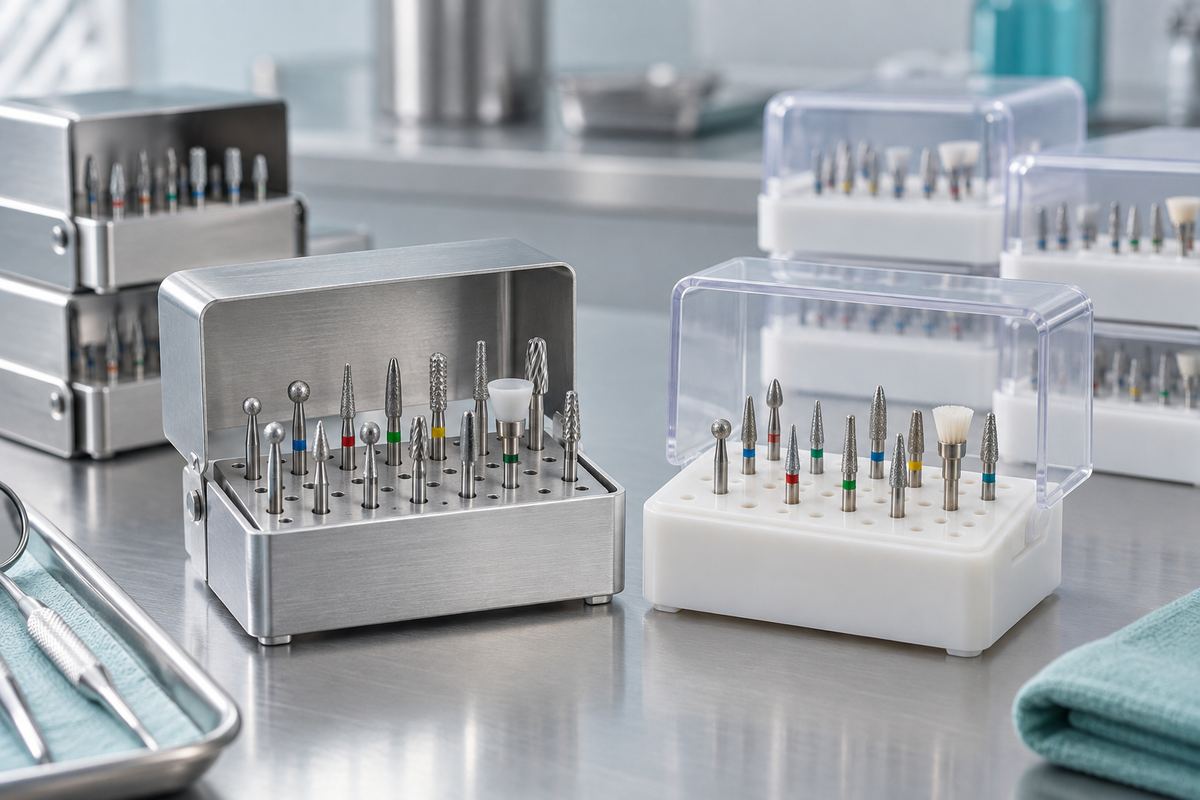
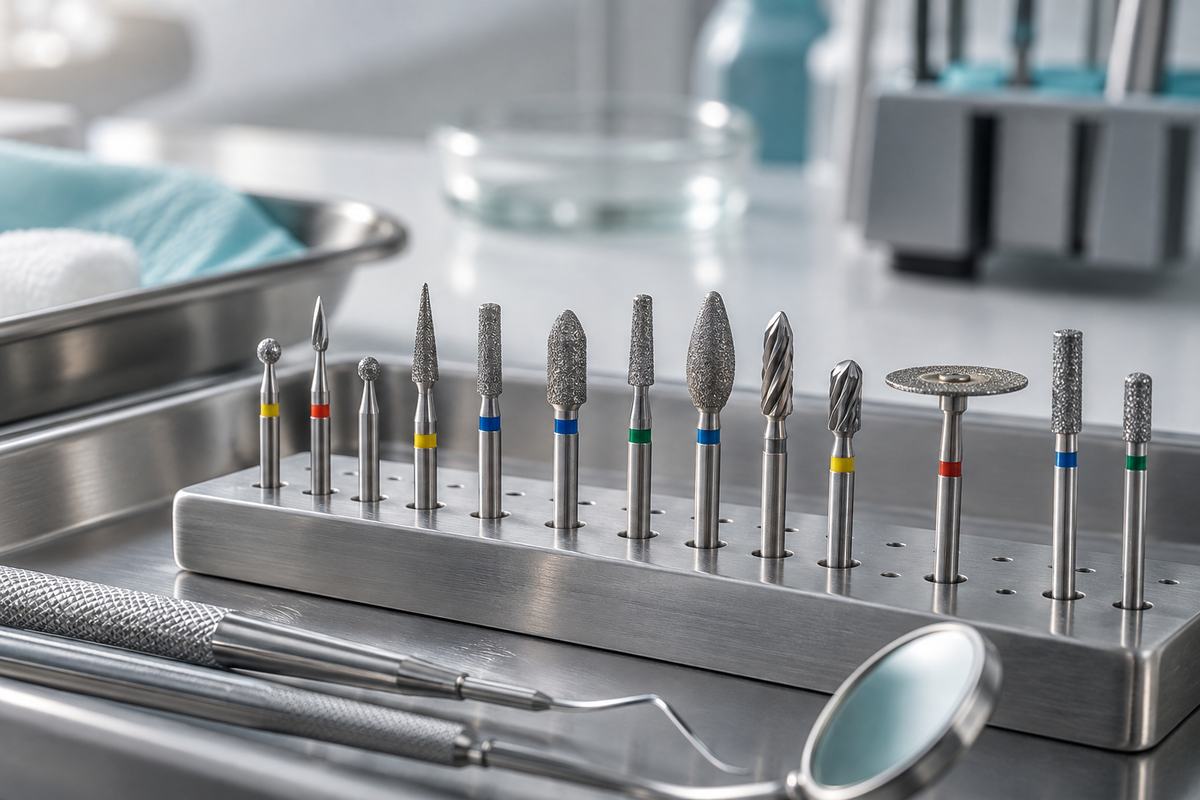
Consider dedicating one drawer exclusively to your rotary instruments. A well-organized selection of diamond dental burs and carbide burs, sorted by shape and grit, prevents the common problem of rummaging through loose burs during a procedure.
Orthodontics: Precision Storage for Small Components
Orthodontic practices manage thousands of small components: brackets, bands, elastics, archwires, ligature ties, and bonding materials. Without a systematic storage approach, these items get mixed together and become difficult to locate during chairside procedures.
Choose cabinets with shallow, compartmentalized drawers. Drawer inserts with individual cells sized for bracket packets and elastic packs are available from most dental furniture suppliers. Clear-top drawers or glass-front upper cabinets allow staff to verify inventory levels without pulling each drawer open.
Wire storage deserves special attention. Archwires should be stored flat and organized by size, alloy, and form. Dedicated wire slots or hanging organizers mounted inside a cabinet door keep wires straight and prevent tangling.
Orthodontic practices also benefit from a mobile cart system that supplements fixed cabinetry. A rolling cart loaded with the day's most-needed supplies can travel between operatories, reducing the amount of duplicate inventory stored in each room.
Orthodontic Cabinet Checklist
- Compartmentalized shallow drawers for brackets and bands
- Flat wire storage slots organized by size and alloy
- Glass-front or clear-top drawers for visual inventory checks
- Lockable drawers for prescription elastics and appliances
- Mobile cart for high-turnover supplies
Endodontics: Organized for Sequence-Driven Workflows
Endodontic procedures follow a strict sequence: access, shaping, cleaning, obturation. The cabinet layout should mirror this workflow so that instruments and materials appear in the order they are needed.
Arrange drawers from top to bottom (or left to right) in procedural sequence. The top drawer holds access burs, rubber dam supplies, and irrigation syringes. The second drawer contains files, reamers, and rotary instruments organized by size. The third drawer stores obturation materials like gutta-percha points, sealers, and pluggers. The bottom drawer holds backup supplies and less frequently used items.
Lighting inside cabinets matters for endodontics. Endodontic files and reamers are small and color-coded by ISO size. Integrated LED lighting in drawers helps staff verify the correct instrument size before passing it to the operator, reducing errors during treatment.
A dedicated bur block or organizer for endodontic access burs should be within arm's reach of the treatment chair. Keeping your tungsten carbide burs in a labeled block eliminates the need to search through a general bur drawer mid-procedure.
Pediatric Dentistry: Safe, Colorful, and Child-Friendly
Pediatric dental cabinets must balance clinical function with a welcoming atmosphere for young patients. Children notice their surroundings, and a sterile-looking operatory can increase anxiety before treatment even begins.
Colorful cabinet fronts in soft blues, greens, or warm yellows help create a friendly environment. Many dental furniture manufacturers offer laminate finishes specifically designed for pediatric practices, with rounded edges and antimicrobial surface treatments built in.
Height matters in pediatric operatories. Lower cabinet stations allow staff to interact with children at their eye level, which builds trust. However, all cabinets containing instruments, chemicals, or sharps must include reliable locking mechanisms. Childproof locks on every drawer and door are not optional in a pediatric setting.
Set aside one drawer or cabinet section for patient rewards: stickers, small toys, and toothbrush kits. This station is often located near the checkout area rather than in the operatory, so children associate the reward with the end of the visit rather than the beginning.
Safety Features for Pediatric Cabinets
| Feature | Purpose |
|---|---|
| Childproof drawer locks | Prevent access to instruments and chemicals |
| Rounded cabinet edges | Reduce injury risk from bumps |
| Soft-close hinges | Prevent finger pinching |
| Antimicrobial laminate | Supports infection control |
| Lower counter heights | Improve ergonomics for treating small patients |
Oral Surgery: Heavy-Duty Construction and Secure Storage
Oral surgery operatories require cabinets built to a higher standard than typical dental furniture. Procedures involve heavier instruments, more extensive material kits, and controlled substances that demand secure storage.
Choose cabinets with reinforced drawer slides rated for higher weight loads. Surgical instrument cassettes are heavier than standard dental trays, and drawers that sag or stick under load waste time and frustrate staff. Full-extension drawer slides with ball-bearing mechanisms are the best option for surgical environments.
Countertop space is at a premium during oral surgery. Select cabinetry that maximizes surface area for instrument layout, sterile draping, and equipment staging. Integrated power outlets and USB ports in the countertop or cabinet backsplash allow direct connection of surgical devices without extension cords crossing the floor.
Controlled substance storage must comply with local and federal regulations. A built-in, lockable safe drawer or a separate wall-mounted lockbox integrated into the cabinet system keeps medications secure while maintaining easy authorized access during procedures.
General Selection Criteria for All Specialties
Regardless of your specialty, several factors apply to every dental cabinet purchase decision.
Material Durability
Dental cabinets endure daily exposure to disinfectants, moisture, and mechanical wear. Solid surface countertops (like Corian) and high-pressure laminate (HPL) cabinet faces resist staining and chemical damage better than standard melamine. Stainless steel is the most durable option for high-traffic areas like sterilization rooms but comes at a higher price point.
Infection Control Compatibility
Every surface must tolerate the disinfectants your practice uses. Before ordering, confirm that cabinet materials are compatible with your specific cleaning products. Some wood finishes and low-grade laminates break down after repeated exposure to quaternary ammonium or hydrogen peroxide solutions.
Ergonomic Layout
Cabinet height, depth, and drawer placement should support natural body mechanics for staff. Repeatedly reaching overhead or bending to floor-level drawers contributes to musculoskeletal strain over time. Position the most-used items between hip and shoulder height.
Future Flexibility
Your practice will evolve. Cabinets with modular components, adjustable shelving, and standardized drawer sizes let you reconfigure storage as your services expand or your instrument inventory changes. Avoid built-in designs that cannot be modified without major renovation.
For a deeper look at cabinet technology and smart storage systems, see our article on dental cabinet technology for improved organization. You may also find useful ideas in our post about current decor trends in dental cabinetry, which covers colors, finishes, and hardware that complement these functional choices.
Bringing It All Together
The right dental cabinets do more than store supplies. They shape how efficiently your team works, how safely instruments are managed, and how patients perceive your practice. Start by identifying the specific needs of your specialty, then evaluate materials, layout, and locking mechanisms against those requirements. A cabinet system that fits your workflow today and adapts to your growth tomorrow is an investment that pays dividends for years.