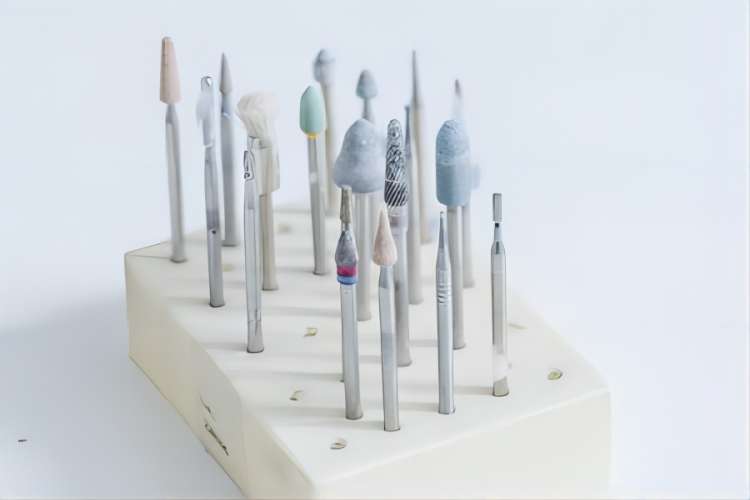
The Reality of Working with Dental Burs Daily
Every dental professional has faced that moment of frustration when a bur breaks mid-procedure, or you reach for the perfect tool only to find your inventory system has failed you again. Dental burs are essential instruments in our daily practice, yet they present unique challenges that range from mildly annoying to genuinely problematic. Understanding these common issues and how to address them can save time, reduce costs, and improve patient outcomes.
While dental bur technology continues to advance, the human factor remains constant. Whether you're a seasoned practitioner or fresh out of dental school, these challenges are universal experiences that unite the profession.
The Selection Paralysis Problem
Walk into any dental supply catalog or browse online, and you'll encounter thousands of bur options. Different shapes, sizes, grits, materials, and shank types create an overwhelming array of choices. The challenge intensifies when you're mid-procedure and questioning whether you've selected the optimal tool.
Common Selection Mistakes
- Choosing a diamond bur when a carbide would be more efficient for the material
- Using coarse grit when fine finishing is needed
- Selecting the wrong shank diameter for your handpiece
- Grabbing a standard length when extra-long access is required
- Using worn burs because the correct replacement isn't readily available
Practical Selection Solutions
Create a decision matrix based on procedure type and material. Keep a laminated reference card near your operatory that lists your most common procedures and the corresponding bur recommendations. Many practitioners find success with a limited formulary approach, selecting 20-30 burs that handle 90% of procedures rather than maintaining hundreds of options.
For restoration work, establish clear protocols. For example, use tungsten carbide burs for initial reduction and gross removal, then switch to diamond burs for refinement and finishing. This systematic approach eliminates decision fatigue.
The Dull Bur Dilemma
Perhaps nothing is more frustrating than realizing halfway through crown preparation that your bur has lost its cutting efficiency. Dull burs create heat, require excessive pressure, increase procedure time, and can compromise preparation quality.
| Warning Signs | What's Happening | Action Needed |
|---|---|---|
| Increased vibration | Uneven or worn cutting surface | Replace immediately |
| Burning smell | Insufficient cutting causing friction heat | Replace and check water spray |
| Slower cutting action | Abrasive particles worn down | Replace before quality suffers |
| Need for extra pressure | Loss of cutting efficiency | Replace to prevent tooth damage |
| Inconsistent surface finish | Partial wear on cutting head | Replace for uniform results |
Maximizing Bur Lifespan
While all burs eventually wear out, proper techniques extend their useful life. Always use adequate water coolant to prevent excessive heat buildup. Allow the bur to do the work rather than applying heavy pressure. Clean burs thoroughly after each use to remove debris that can accelerate wear. Store burs properly in organized blocks rather than loose in drawers where they can chip or corrode.
Consider the economics carefully. A dull bur that adds five minutes to a procedure costs far more in chair time than the replacement bur would cost. Develop a tracking system to monitor bur usage and establish replacement intervals based on actual performance rather than arbitrary time periods.
Inventory Management Chaos
The scene is familiar: you need a specific bur, you know you ordered it last month, but you cannot find it anywhere. Meanwhile, you discover six duplicates of a bur you rarely use. Poor inventory management wastes money through duplicate purchases, emergency overnight shipping, and procedures delayed while hunting for the right tool.
Organization Strategies That Actually Work
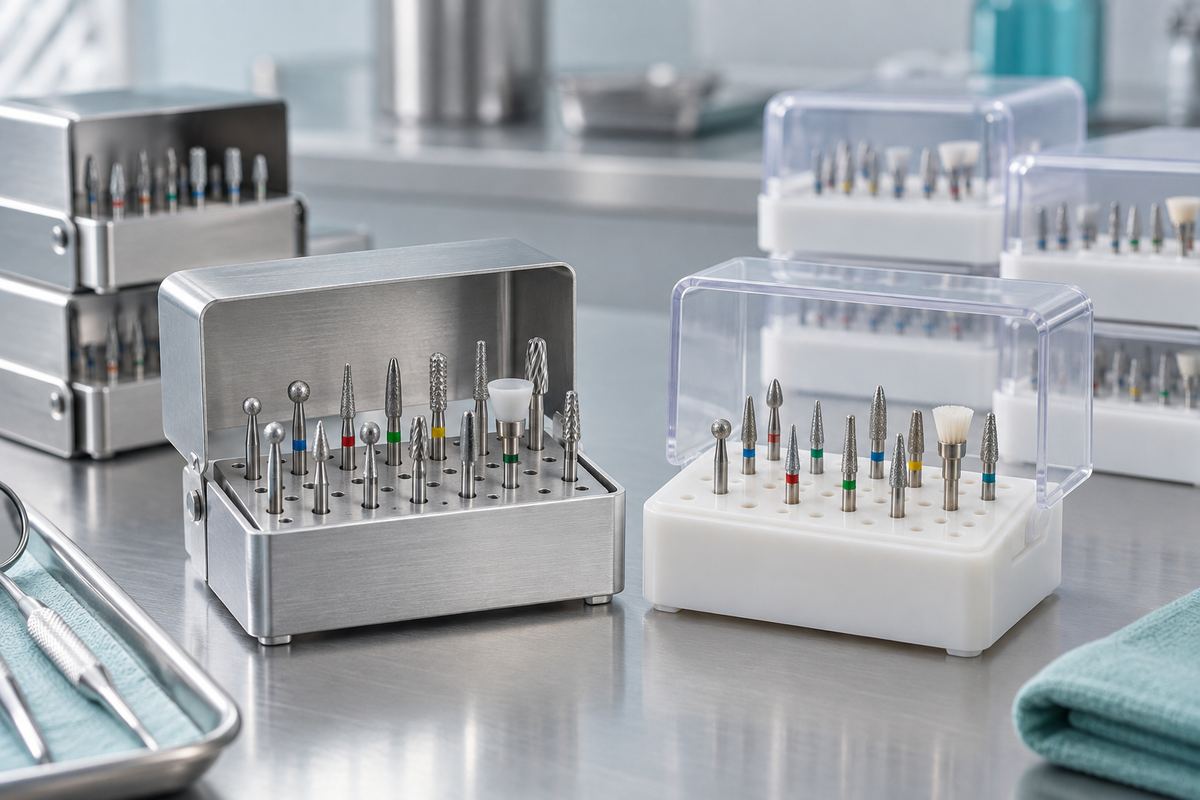
- Implement color-coded bur blocks by procedure type rather than by manufacturer or arbitrary grouping
- Maintain a master inventory spreadsheet with reorder points clearly marked
- Designate one team member as inventory coordinator to prevent duplicate ordering
- Use autoclave-safe labels on bur blocks for quick visual identification
- Create procedure-specific kits containing all necessary burs for common treatments
- Photograph your ideal bur organization setup to maintain consistency after restocking
- Schedule quarterly inventory reviews to identify slow-moving items and usage patterns
Many practices find success with the two-bin system. When you open the second package of a specific bur, that triggers a reorder. This prevents stockouts without requiring complex tracking systems. Check out our clinic kits for pre-organized bur collections that simplify inventory management.
Speed and Pressure Mistakes
Handpiece speed and applied pressure represent two variables that dramatically affect bur performance, yet they're often overlooked in the heat of clinical work. Too much speed with certain burs can cause chipping or burning. Too little speed reduces cutting efficiency. Excessive pressure accelerates wear and can damage tooth structure.
Speed Guidelines by Bur Type
- Diamond burs: 150,000 to 400,000 RPM depending on grit and application
- Carbide burs: 5,000 to 100,000 RPM for finishing work
- Polishing burs: Lower speeds (3,000 to 10,000 RPM) prevent heat buildup
- Surgical burs: 1,500 to 15,000 RPM for controlled cutting
The pressure problem often stems from using dull burs or incorrect technique. Your handpiece and bur should glide through the material with light, steady pressure. If you're pressing hard enough that your hand fatigues, something is wrong. Either the bur is dull, the speed is incorrect, or the bur type doesn't match the material.
Practice with extracted teeth or simulation models to develop feel for appropriate pressure levels. Many handpiece manufacturers now offer models with pressure sensors that provide feedback, helping develop muscle memory for optimal force application.
The Autoclave Survival Challenge
Sterilization is non-negotiable in modern dentistry, yet the autoclave process can be brutal on burs. Heat cycling, moisture exposure, and chemical reactions gradually degrade even high-quality instruments. Some burs emerge from sterilization with visible corrosion or altered cutting characteristics.
Protecting Burs During Sterilization
Proper cleaning before autoclaving is essential. Use enzymatic cleaners and ultrasonic baths to remove all debris and organic material. Dry burs thoroughly before placing them in sterilization pouches to minimize corrosion. Avoid overloading autoclave trays, which can cause burs to touch and chip during the heating cycle.
Consider the total cost of ownership when purchasing burs. A slightly more expensive bur that survives 20 autoclave cycles offers better value than a cheaper option that degrades after five cycles. Carbide burs generally tolerate sterilization better than some diamond burs, though modern manufacturing has improved diamond bur durability significantly.
Cross-Contamination and Identification Issues
After sterilization, can you definitively identify which bur is which? Many look similar, and mixing up a coarse bur with a finishing bur mid-procedure creates problems. Additionally, ensuring complete sterilization while maintaining organization requires systematic approaches.
Use autoclavable markers to label bur blocks clearly. Implement a consistent color-coding system throughout your practice. Consider investing in bur identification systems that use unique markers or cassettes to maintain organization through the sterilization process. For more information on maintaining instrument cleanliness, see our article on how to clean and sterilize tungsten carbide burs.
The Breakage Heartbreak
Few moments in dentistry match the sinking feeling when a bur breaks during a procedure. Beyond the immediate inconvenience, there's the concern about fragment retrieval and the need to explain the situation to your patient. Bur breakage usually results from predictable causes.
Primary Breakage Causes
- Lateral pressure on narrow burs designed for vertical cutting
- Using damaged or worn burs beyond their safe lifespan
- Incorrect insertion into the handpiece causing instability
- Manufacturing defects in low-quality burs
- Excessive speed or pressure for the specific bur design
- Using burs outside their intended application
Prevention focuses on using quality products, following manufacturer guidelines, and developing proper technique. Inspect burs before use for any visible damage. Never force a bur into material - if it's not cutting efficiently, stop and evaluate rather than applying more pressure. Understanding common mistakes helps avoid them, as discussed in our guide on common mistakes to avoid when using dental burs.
Budget Constraints and Quality Decisions
Dental burs represent a significant ongoing expense. The temptation to choose cheaper options is understandable, yet false economy often results. Low-quality burs wear faster, cut less efficiently, and may compromise clinical results. However, premium pricing doesn't always guarantee superior performance.
Develop relationships with reliable suppliers who understand your practice needs. Buy in appropriate quantities to capture volume discounts without tying up excessive capital in inventory. Test new bur brands or types on a small scale before committing to large purchases. Track costs per procedure rather than just per bur to understand true value.
Some practices find success with a tiered approach. Use premium burs for demanding applications where performance is critical, such as crown preparations or CAD/CAM milling. Consider mid-range options for routine procedures where the performance difference is negligible. This balanced strategy optimizes both clinical outcomes and budget management.
Adapting to New Materials and Technologies
Modern restorative materials continually evolve, and each new material may require different bur characteristics. Zirconia demands different cutting tools than traditional ceramics. Lithium disilicate behaves differently than feldspathic porcelain. Composite formulations vary in hardness and abrasiveness.
Stay current with manufacturer recommendations for new materials. Attend continuing education courses that include hands-on experience with material-specific burs. Join online forums where practitioners share real-world experiences with various bur and material combinations. The investment in education pays dividends in improved efficiency and clinical outcomes.
Moving Forward with Confidence
Dental bur challenges are inevitable, but they're also manageable with the right knowledge and systems. Start by addressing your most significant pain point. If inventory chaos frustrates you daily, implement an organization system this week. If bur selection paralyzes you, create your decision matrix and formulary. If budget concerns dominate, analyze your actual costs per procedure to make informed purchasing decisions.
Remember that every experienced practitioner has faced these same challenges. The difference between frustration and efficiency lies not in avoiding problems entirely, but in developing systematic approaches to minimize their impact. Your patients benefit from the time you save, your team appreciates the reduced stress, and your practice finances improve through better resource management.
Dental bur challenges may never disappear completely, but they can transform from daily annoyances into minor inconveniences with proper planning and execution. The goal isn't perfection - it's continuous improvement in how you select, use, maintain, and manage these essential tools of our profession.