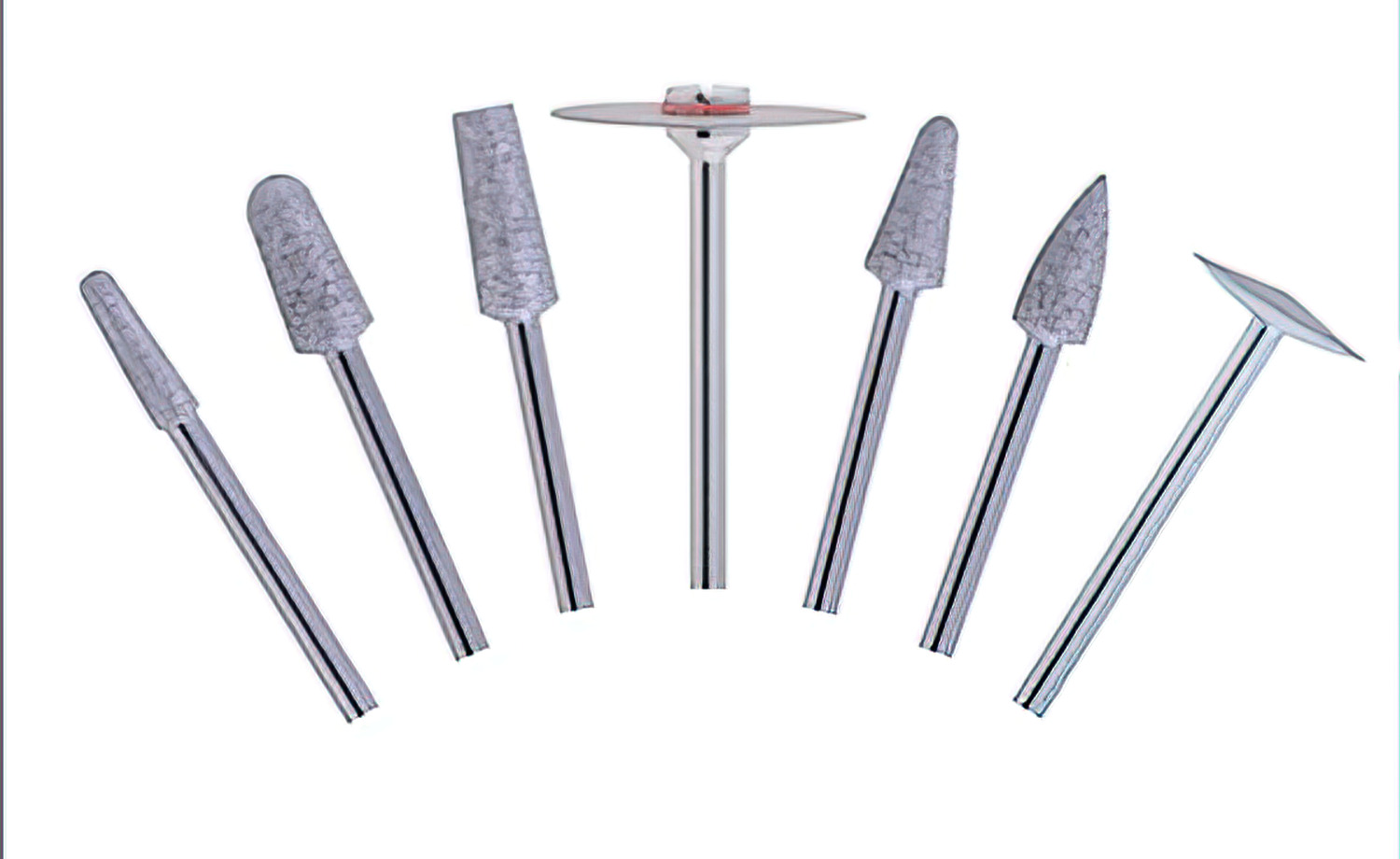
Both sintered and plated diamond burs are standard tools in dental laboratories, jewelry workshops, and gemstone carving studios. They look similar at first glance, but their construction, performance, and ideal use cases differ in important ways.
If you have ever wondered which type to buy or when to reach for one over the other, this guide explains the differences and helps you make an informed decision based on your specific work.
What Are Sintered Diamond Burs?
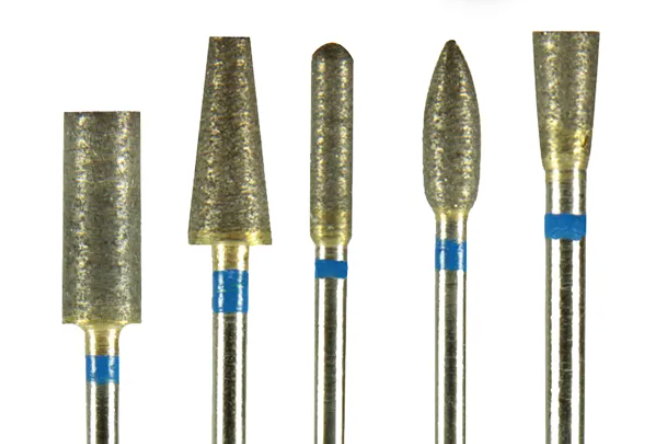
A sintered diamond bur is made by mixing diamond particles with a metal binder material, then fusing them together under high heat and pressure. This process creates a solid matrix where diamond grit is distributed evenly throughout the entire head of the bur, not just on the surface.
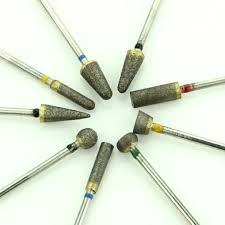
As you use a sintered bur and the outer layer wears away, fresh diamond particles underneath become exposed. This self-renewing quality means the bur maintains consistent cutting performance from the first use to the last. You can also restore cutting ability by dressing the bur with an aluminum oxide stick, which removes built-up debris and exposes a new layer of diamond.
Key characteristics of sintered diamond burs:
- Diamond particles distributed throughout the full depth of the head
- Self-renewing cutting surface as outer layers wear
- Can be dressed with aluminum oxide to restore performance
- Extremely long lifespan (5-10 times longer than plated burs)
- Produces clean, precise cuts with minimal chipping
What Are Plated Diamond Burs?
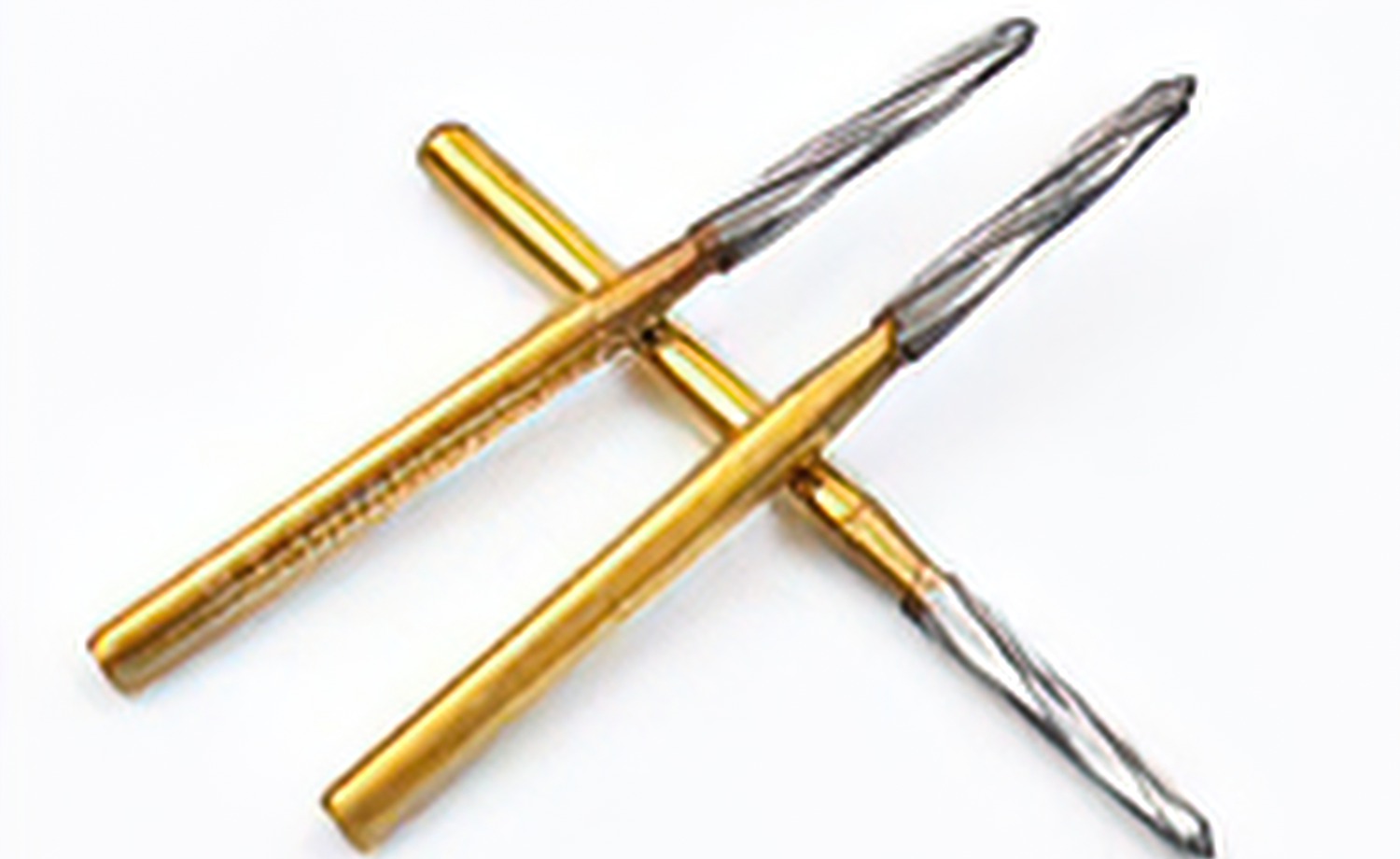
Plated diamond burs (also called electroplated or coated diamond burs) have a single layer of diamond particles bonded to a metal shank using nickel electroplating. The diamond grit sits on the surface only, which means once that layer wears off, the bur loses its cutting ability.
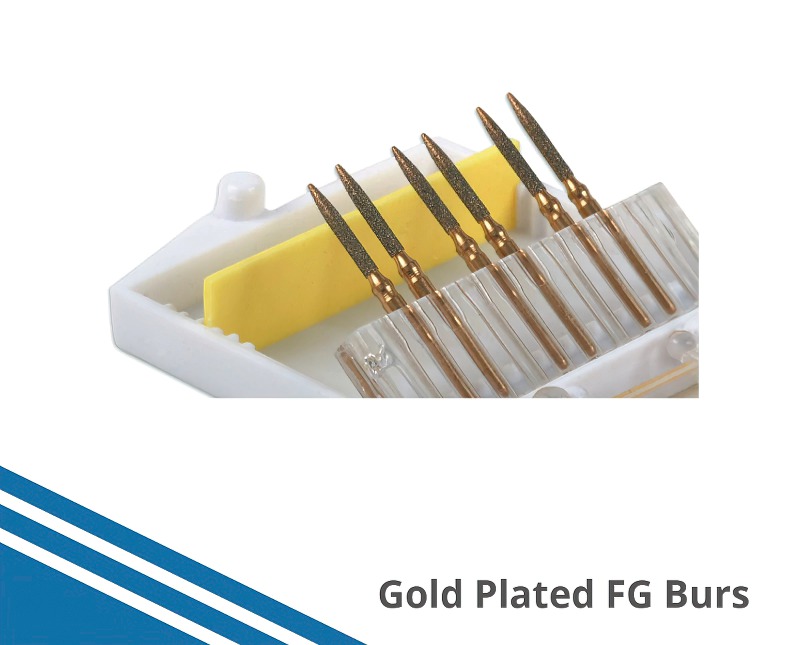
Premium plated burs often feature gold plating for easy visual identification and use tightly controlled, custom-graded diamond particles. This manufacturing precision gives them a smooth, consistent cut with reduced vibration.
Key characteristics of plated diamond burs:
- Single layer of diamond on the surface
- Aggressive initial cutting that decreases over time
- Lower cost per unit
- Available in a wide variety of shapes and sizes
- Cannot be dressed or renewed once worn
Side-by-Side Comparison
The following table summarizes the main differences between sintered and plated diamond burs across the factors that matter most when selecting a tool.
| Factor | Sintered Diamond Burs | Plated Diamond Burs |
|---|---|---|
| Construction | Diamond throughout full head | Single diamond layer on surface |
| Lifespan | 5-10x longer | Shorter, single-layer wear |
| Cost per unit | 4-5x higher | Lower initial cost |
| Cost over time | Lower (fewer replacements) | Higher (frequent replacement) |
| Cutting precision | Very high, consistent | Good initially, declines with wear |
| Vibration | Low | Low (premium); moderate (standard) |
| Surface finish | Clean, minimal chipping | Smooth with premium grades |
| Renewal | Dressable with aluminum oxide | Not renewable |
| Availability in large sizes | Limited | Widely available |
When to Use Sintered Diamond Burs
Sintered burs excel in situations where precision, longevity, and consistent performance are priorities.
Dental Laboratory Work
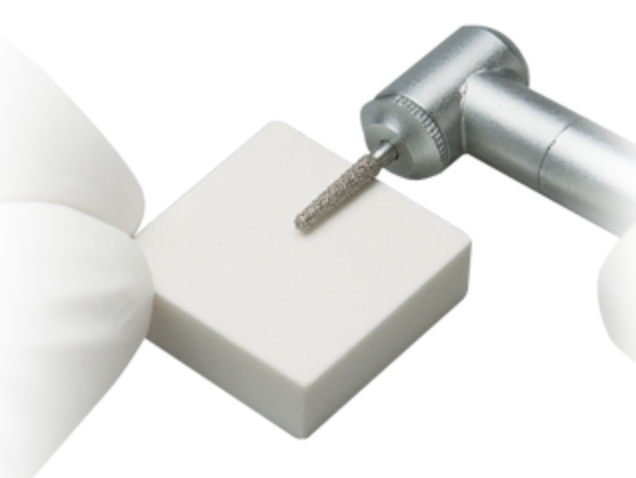
In the dental lab, sintered diamond burs are preferred for cutting and adjusting ceramic restorations, trimming zirconia copings, and refining porcelain margins. Their consistent cutting action reduces the risk of chipping delicate ceramic materials. Labs that process high volumes of restorations daily benefit from the reduced replacement frequency.
Gemstone Carving and Detail Work
Sintered burs are the tool of choice for intricate gemstone carving. When you need to cut fine lines, detailed patterns, or work on small stones where a single slip could ruin the piece, the precision of a sintered bur is hard to match. Fire agate cutters, for example, rely almost exclusively on sintered burs because exposing the gem's color layers requires extremely controlled material removal.
Hard Material Cutting
For working with granite, concrete, hardwoods, porcelain, and glass, sintered burs handle the job efficiently. Their multi-layer diamond construction withstands the demands of cutting dense, abrasive materials without losing sharpness quickly. If you work with glass, see our guide on glass engraving techniques for more tips on tool selection.
When to Use Plated Diamond Burs
Plated burs are the practical choice when cost efficiency, variety, and availability matter more than maximum longevity.
Clinical Dentistry
In the dental operatory, FG diamond burs (which are plated) are used for tooth preparation, cavity shaping, and crown adjustment. The single-patient-use model common in clinical settings makes the lower cost of plated burs a natural fit. Premium plated burs with uniform diamond distribution produce smooth preparations with less vibration, which improves patient comfort.
Initial Shaping and Rough Carving
Many gemstone carvers use plated burs for the initial rough shaping phase, where aggressive material removal is the goal. Plated burs are available in a much wider range of large sizes than sintered options, making them better suited for big carving projects. After rough shaping, carvers often switch to sintered burs for the detail and finishing work.
Budget-Conscious Workshops
For hobbyists, students, or workshops just getting started, plated diamond burs provide solid performance at a fraction of the cost. They allow you to build a full set of shapes and sizes without a large upfront investment.
A Practical Two-Stage Workflow
Many experienced professionals combine both bur types in their workflow rather than choosing one exclusively. Here is a common approach:
- Stage 1 (rough shaping): Use plated diamond burs to remove bulk material quickly. Their aggressive initial cut and lower cost make them ideal for this phase
- Stage 2 (detail and finishing): Switch to sintered diamond burs to refine cuts, add detail, and achieve a clean surface finish. Their precision and consistency are unmatched for this work
This two-stage method gives you the best of both worlds: fast rough work without burning through expensive sintered burs, followed by precision finishing where it counts.
Maintenance Tips for Both Types
Proper care extends the useful life of any diamond bur, whether sintered or plated.
Sintered Burs
- Dress regularly with an aluminum oxide stick before and after each use to expose fresh diamond
- Use with water or coolant to prevent heat buildup and debris clogging
- Clean with an ultrasonic cleaner or brass wire brush to remove embedded material
- Store individually to prevent heads from contacting each other
Plated Burs
- Clean with a brass wire brush or chemical cleaning solution between uses
- Do not apply excessive pressure, as this accelerates diamond layer loss
- Discard when cutting performance drops noticeably; forcing a dull bur damages the workpiece
- Store in bur blocks or organizers to protect the diamond coating
For a deeper look at bur care, read our article on the durability and cost-effectiveness of sintered vs electroplated diamond burs.
Grit Size Considerations
Both sintered and plated diamond burs are available in different grit sizes, and the grit you choose affects cutting speed, surface finish, and how much material you remove per pass.
| Grit | Particle Size | Best Use |
|---|---|---|
| Coarse | 150-180 microns | Rapid material removal, rough shaping |
| Medium | 100-120 microns | General-purpose cutting and contouring |
| Fine | 50-70 microns | Finishing, smoothing, detail work |
| Extra fine | 25-40 microns | Final surface preparation, polishing prep |
For sintered burs, medium grit is the most versatile starting point. Coarse sintered burs remove material fast but leave a rougher surface that needs more finishing. Fine sintered burs are excellent for detail carving on gemstones and for finishing ceramic restorations where surface quality matters.
For plated burs, the grit selection follows the same logic. Coarse plated burs are popular for initial tooth preparation in clinical dentistry, while fine and extra-fine grits handle finishing and margin refinement.
Making Your Decision
The choice between sintered and plated diamond burs is not an either-or question for most users. Consider your priorities:
- If longevity and precision are top priorities: Invest in sintered diamond burs for your most demanding work
- If budget flexibility matters: Stock plated burs for routine and rough work
- If you do both rough and detail work: Keep both types on hand and use the two-stage approach described above
Browse our full range of laboratory diamond burs including both sintered and plated options to find the right tools for your workshop.