
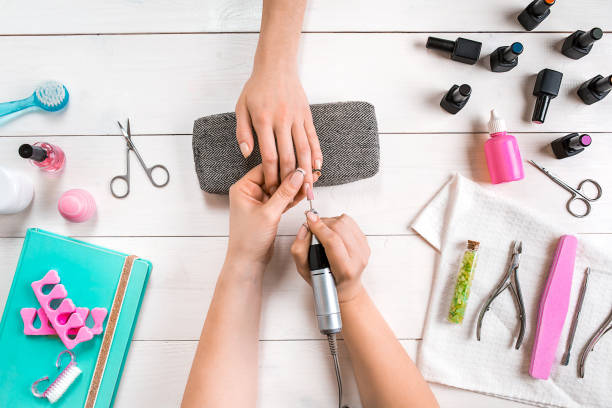
An electric nail drill is one of the most important tools in any nail technician's kit. Whether you are shaping natural nails, removing gel polish, or refining acrylic extensions, the right drill makes your work faster, more precise, and more comfortable for both you and your client. With hundreds of models on the market, selecting the right one takes some research. This guide walks through the key factors that separate a good electric nail drill from one that will slow you down or cause problems.
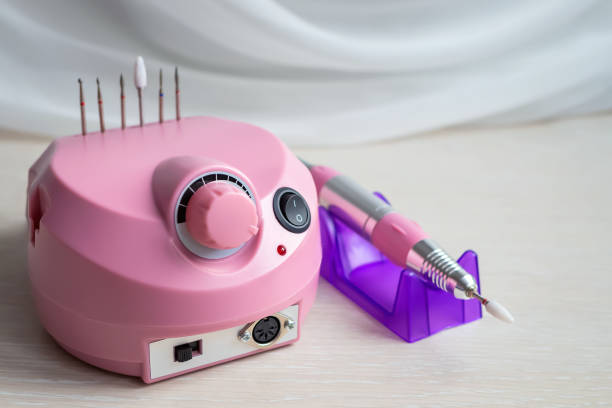
RPM: The Most Important Specification
RPM (revolutions per minute) measures how fast the drill bit spins. This single number has the biggest impact on what tasks the drill can handle and how quickly it completes them.
What RPM Range Do You Need?
Professional nail drills typically range from 0 to 35,000 RPM with variable speed control. Here is how different RPM ranges match common nail tasks:
| RPM Range | Best For | User Level |
|---|---|---|
| 0 - 10,000 | Natural nail shaping, cuticle work | Beginner |
| 10,000 - 20,000 | Gel removal, basic acrylic work | Intermediate |
| 20,000 - 30,000 | Acrylic removal, heavy shaping | Professional |
| 30,000 - 35,000 | Full acrylic sets, high-volume salon work | Advanced professional |
A drill rated at 30,000 RPM or higher does not mean you will always run it at full speed. Variable speed control lets you dial down for delicate work on natural nails and dial up for tough acrylic removal. Starting with a higher-rated model gives you room to grow as your skills and client base expand.
For natural nail work only, a 20,000 RPM drill may be sufficient. But if you plan to work with acrylics, gels, or hard extensions, invest in a model rated at 30,000 RPM or above. The extra power will save significant time over a full day of appointments.
Vibration, Noise, and Heat
A nail drill that vibrates excessively is more than just annoying. High vibration causes real problems in professional settings:
- Reduced precision: Vibration makes it harder to control the bit, increasing the risk of filing too deep or unevenly.
- Client discomfort: Vibrating bits transmit that movement to the nail and surrounding tissue, which clients notice immediately.
- Hand and wrist fatigue: Holding a vibrating handpiece for hours leads to muscle strain, and over time can contribute to repetitive stress injuries.
- Nail damage: Excessive vibration can cause the bit to skip or chatter, leaving marks on the nail surface.
Noise goes hand-in-hand with vibration. A well-balanced motor with quality bearings runs quietly even at high RPM. If a drill is noticeably loud at moderate speeds, that is usually a sign of poor manufacturing tolerances or low-quality bearings that will only get worse with use.
Heat is another concern. Friction between the drill bit and the nail or product generates heat. A well-designed motor stays cool during extended use, and quality nail drill bits are engineered to dissipate heat effectively. If the handpiece becomes uncomfortably warm after just a few minutes of use, the motor is likely underpowered for the RPM it is trying to maintain.
Handpiece Weight and Ergonomics
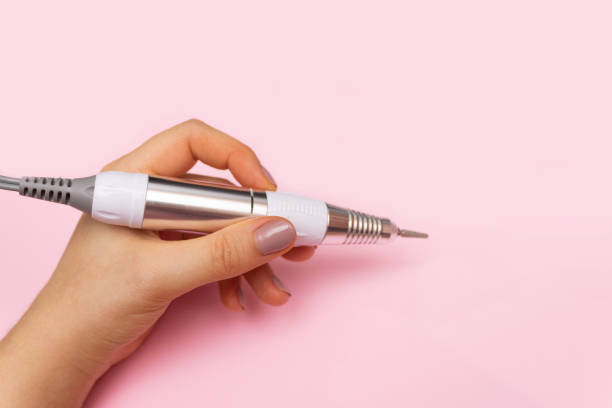
The handpiece is the part you hold for every minute of every appointment. Its weight and shape directly affect your productivity and physical comfort over the course of a working day.
Why Weight Matters
A heavy handpiece produces fatigue faster. After a full day of appointments, the cumulative effect of holding even a slightly too-heavy tool becomes noticeable as soreness in the fingers, wrist, and forearm. Over weeks and months, this can lead to chronic discomfort or injury.
Professional-grade handpieces typically weigh between 120 and 180 grams. Anything significantly above 200 grams is likely to cause problems during extended use. When comparing models, pick up each handpiece and hold it in a working grip for at least 30 seconds to evaluate comfort.
Grip Design
Beyond weight, consider the shape and diameter of the handpiece body. Look for these features:
- Slim profile: A thinner handpiece allows a more natural pen grip, reducing strain on the thumb and index finger.
- Non-slip surface: Textured or rubberized grip areas prevent the handpiece from rotating in your hand during use.
- Balanced weight distribution: The center of gravity should be near the middle of the grip, not at the front where the bit attaches.
- Flexible cord: A stiff or heavy power cord pulls on the handpiece and adds effective weight. Look for thin, flexible cords that do not resist your hand movements.
Drill Bit Compatibility: The 3/32-Inch Standard
Nail drill bits come with a standardized shank diameter of 3/32 inch (2.35 mm). This is the same shank size used across the professional nail industry, and it is the same standard found in many rotary tool accessories and dental instruments.
Before purchasing any drill, confirm that it accepts this standard shank size. A drill with a proprietary or non-standard chuck will limit your options for replacement bits and specialty bits in the future. You will also pay more for bits that only fit one brand of drill.
Types of Drill Bits You Will Need
A well-stocked bit collection includes several types for different tasks:
- Carbide bits: For removing acrylic and hard gel. Available in fine, medium, and coarse cuts. See our guide on carbide bur types for more on cut patterns.
- Diamond bits: For cuticle work, natural nail shaping, and finishing. The diamond coating provides smooth, controlled material removal.
- Ceramic bits: Generate less heat than carbide, making them good for gel removal on natural nails.
- Sanding bands and mandrels: Disposable abrasive sleeves mounted on a reusable mandrel. Used for shaping and smoothing. Available in various grit levels for different stages of shaping.
- Felt and silicone polishers: For final buffing and high-shine finishing.
Build Quality and Durability
A nail drill is a daily-use tool that runs for hours at a time. Build quality directly affects how long it lasts and how well it performs over its lifetime. Here is what to look for:
Motor Type
Brushless motors are the current standard for professional drills. They run cooler, last longer, and produce less vibration than brushed motors. Brushed motors are found in cheaper models and will eventually need brush replacement as they wear.
Control Unit
The control unit houses the power supply and speed controls. Look for:
- Forward and reverse switch: Allows you to spin the bit in both directions, which is important for working on left and right hands.
- Foot pedal option: A foot pedal frees both hands and lets you adjust speed without reaching for a dial. This is standard on professional models.
- Digital speed display: A numeric RPM readout is more precise than a simple dial with no markings.
- Stable power delivery: The RPM should remain consistent when the bit contacts the nail. Cheap drills lose speed under load, which reduces control and extends procedure time.
Corded vs. Cordless Drills
Cordless drills offer portability but come with trade-offs:
| Feature | Corded | Cordless |
|---|---|---|
| Power consistency | Constant | Decreases as battery drains |
| Weight | Lighter handpiece (motor in control unit) | Heavier (battery in handpiece) |
| Portability | Limited by cord | Fully portable |
| Run time | Unlimited | 2-8 hours per charge |
| Max RPM | Up to 35,000+ | Usually 30,000 or less |
For salon use where you have a fixed workstation, corded drills are generally the better choice. They deliver consistent power, last longer, and the handpiece stays lighter. Cordless drills work well for mobile technicians or as a backup unit.
Warranty and After-Sales Support
A quality electric nail drill should come with at least a six-month warranty covering defects in the motor, control unit, and handpiece. Some manufacturers offer one to two years of coverage on higher-end models.
Before buying, check whether the manufacturer provides:
- Replacement parts: Brushes, bearings, and handpiece cords are wear items that may need replacement over time.
- Repair service: Some brands offer factory repair rather than requiring you to replace the entire unit.
- Responsive customer support: Test the manufacturer's response time by sending a pre-purchase question. If they are slow to respond before the sale, support after the sale is likely to be worse.
Common Mistakes When Buying a Nail Drill
Avoid these common pitfalls that lead to wasted money or poor results:
- Buying based on price alone. The cheapest drills use low-quality motors and bearings. They vibrate more, lose speed under load, and fail sooner. A mid-range drill from a reputable brand is a better long-term investment.
- Ignoring the handpiece. Some drills advertise impressive RPM numbers but ship with heavy, poorly balanced handpieces. Always evaluate the handpiece separately from the control unit.
- Skipping the test run. If possible, try the drill before committing. Run it at various speeds, check for vibration, and evaluate the noise level. A quick test reveals more than any product listing.
- Overlooking bit compatibility. A drill that only accepts proprietary bits will cost more over time and limit your options for specialty work.
Conclusion
Choosing the right electric nail drill comes down to matching the tool's specifications to your working needs. Prioritize adequate RPM for your typical services, low vibration for precision and comfort, a lightweight handpiece for all-day use, standard 3/32-inch bit compatibility, and solid build quality backed by a meaningful warranty. A well-chosen drill pays for itself quickly through faster service times, happier clients, and reduced physical strain on your hands and wrists.