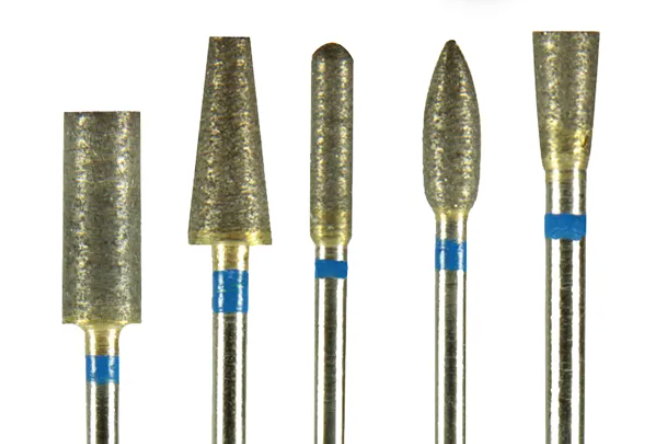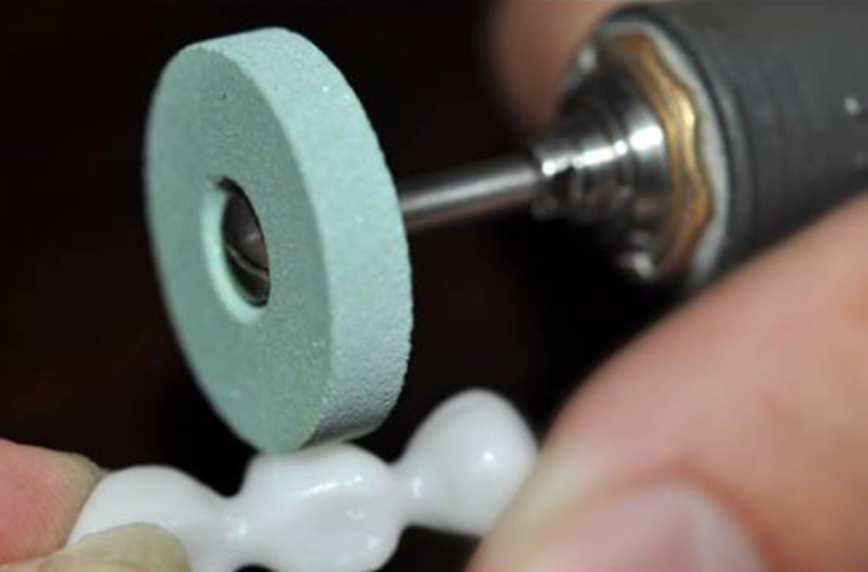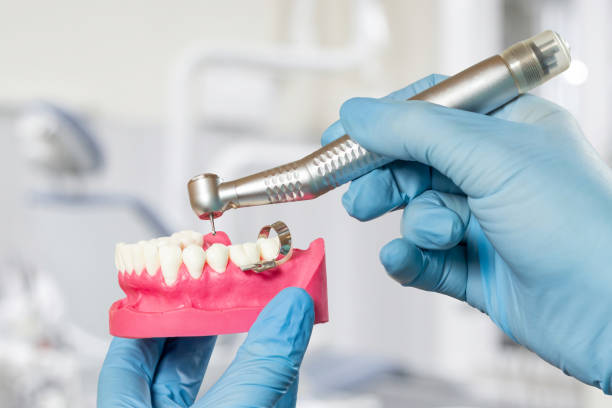
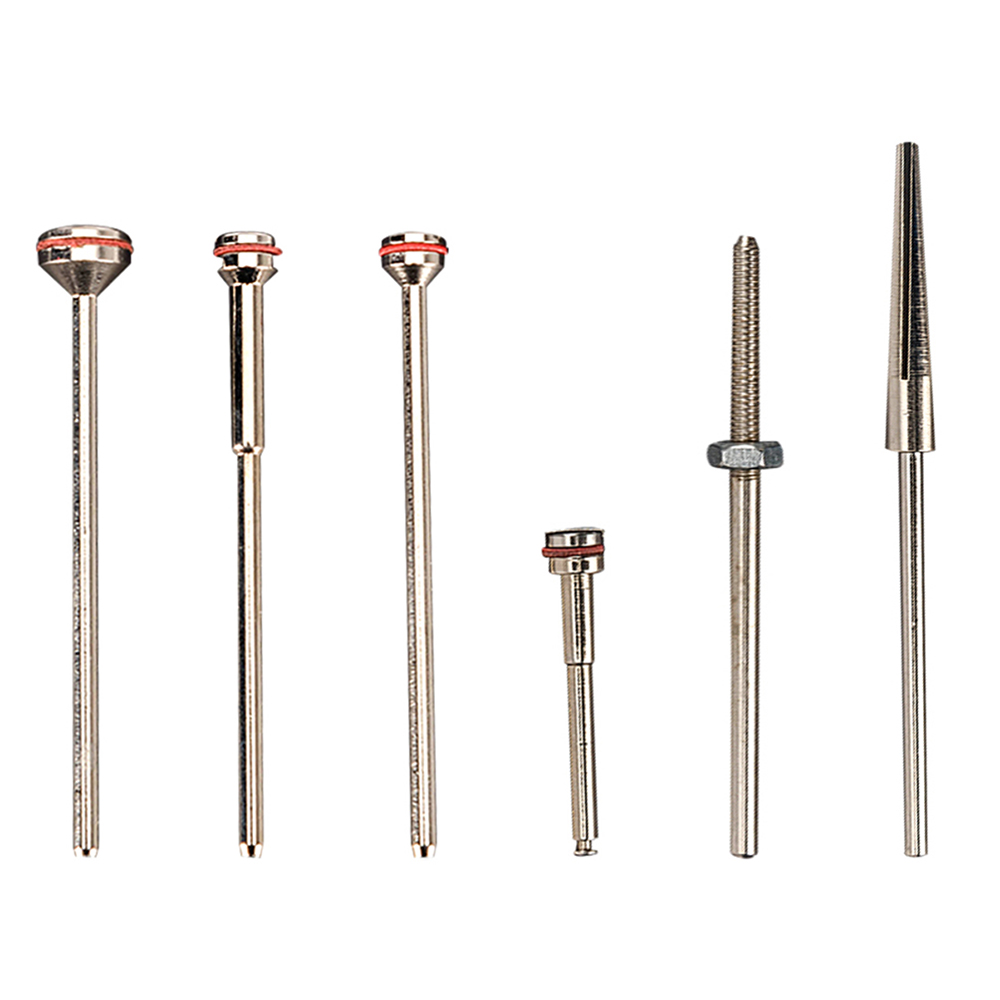
A dental mandrel is a small but important rotary accessory that holds polishing discs, rubber wheels, felt bobs, and other attachable instruments in your handpiece. Choosing the wrong mandrel leads to slippage, vibration, poor results, and potential safety issues. Choosing the right one means secure attachment, smooth operation, and consistent clinical outcomes.
This guide covers the key factors that determine which mandrel fits your instrument, your handpiece, and your procedure.
What Does a Dental Mandrel Do?
A mandrel acts as an adapter between your handpiece and a disc, wheel, or polishing point that does not have its own shank. Think of it as a mounting post: one end fits into the handpiece chuck, and the other end holds the working attachment in place using a screw, snap-on mechanism, or friction fit.
Without the correct mandrel, you cannot mount finishing discs, felt bobs, rubber polishing cups, or sandpaper discs onto your rotary instrument. It is one of those accessories that rarely gets attention until the wrong one causes a problem mid-procedure.
Mandrel Types by Attachment Method
The first decision when selecting a mandrel is how it holds the attachment. There are three common designs:
Screw Mandrels
A threaded post runs through a center hole in the disc or wheel, and a small screw or nut tightens it in place. Screw mandrels provide the most secure hold and are preferred for rigid discs and heavier attachments. They take slightly longer to load and unload, but the stability is worth it during prolonged finishing procedures.
Snap-On (Pop-On) Mandrels
These mandrels have a small button or raised hub that clicks through a center hole in the disc. Loading is fast — press the disc onto the hub and it locks into position. Snap-on mandrels are the standard for flexible finishing and polishing discs (such as Sof-Lex style discs) where quick disc changes between grits are common.
Screw-In Mandrels for Rubber Points
Some rubber polishing points and cups have a threaded metal insert at the base. A mandrel with a matching threaded tip screws directly into the point. This is common with unmounted silicone polishers and certain stone points.
Mandrel Shank Types: Matching Your Handpiece
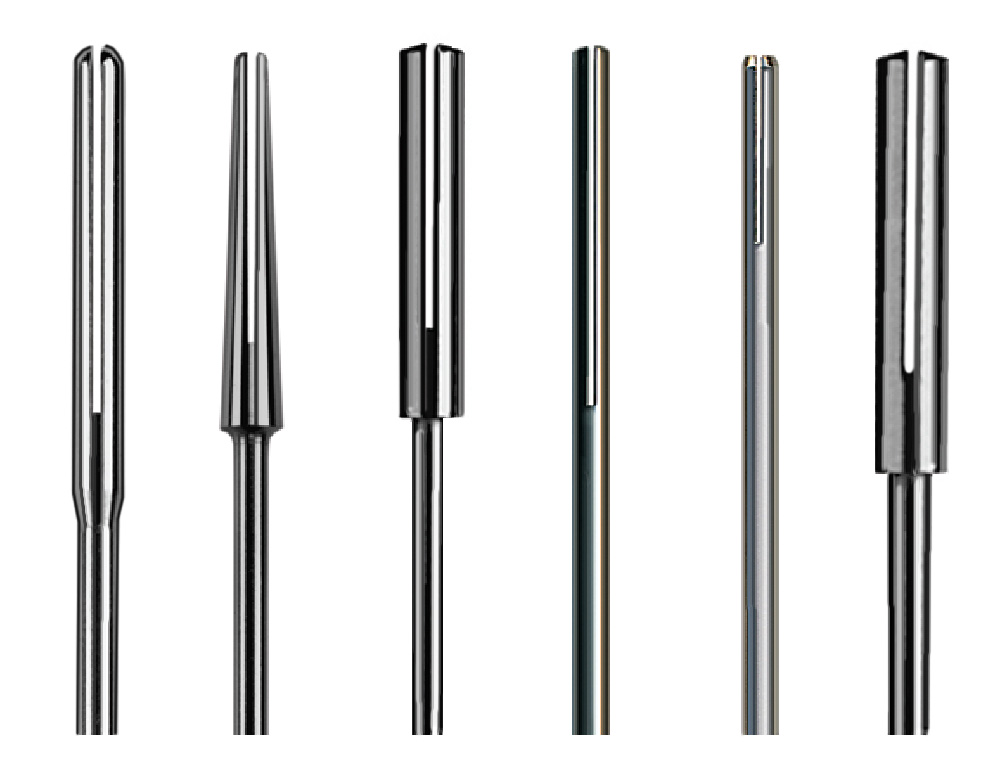
Just like dental burs, mandrels come in different shank configurations that correspond to specific handpiece types. Using the wrong shank means the mandrel either will not fit or will not be held securely.
Shank Type | Diameter | Handpiece | Typical Use |
|---|---|---|---|
FG (Friction Grip) | 1.6 mm | High-speed handpiece | Chairside finishing, intraoral polishing |
RA (Right Angle / Latch) | 2.35 mm | Slow-speed contra-angle | Polishing, finishing, prophylaxis |
HP (Handpiece / Straight) | 2.35 mm | Straight nose cone / lab motor | Laboratory work, extraoral polishing |
Before ordering mandrels, verify which handpiece types your practice or lab uses. For a detailed explanation of shank differences, see our article on dental bur shank types.
A Common Mistake
RA (latch) and HP (straight) mandrels share the same 2.35 mm shank diameter, but they are not interchangeable. RA mandrels have a notch that engages the latch mechanism in a contra-angle handpiece. HP mandrels have a smooth, round shank designed for straight handpieces. Placing an HP mandrel in a latch-type contra-angle will result in no locking, free spinning, and a disc that can fly off during use.
Mandrel Material: Stainless Steel vs. Tungsten Carbide
Most dental mandrels are made from one of two materials:
Stainless steel — More affordable, adequate for most polishing tasks, and can be autoclaved repeatedly. However, stainless steel mandrels can bend under heavy lateral pressure, especially the thinner FG versions.
Tungsten carbide — Stiffer, more resistant to bending and wear, and capable of handling higher speeds and torque. Tungsten carbide mandrels are the better choice for laboratory work where a straight handpiece runs for extended periods at higher RPM.
For routine chairside polishing and disc work, stainless steel mandrels are perfectly suitable. Reserve tungsten carbide mandrels for demanding lab applications where rigidity and longevity matter most.
Matching Mandrels to Common Procedures
Different clinical and laboratory tasks call for different mandrel and attachment combinations:
Composite finishing (chairside) — Snap-on FG mandrel with flexible finishing discs, progressing from coarse to superfine grit.
Amalgam polishing — RA latch mandrel with rubber polishing cups or diamond rubber polishers.
Denture trimming and polishing (lab) — HP straight mandrel with felt bobs, rag wheels, or sandpaper discs on a bench lathe or lab motor.
Crown and bridge polishing (lab) — HP straight mandrel with rubber wheels or diamond-impregnated polishing points.
Interproximal finishing — Thin snap-on FG mandrel with narrow finishing strips for tight contact areas.
Disposable vs. Reusable Mandrels
The market offers both single-use and multi-use mandrels. Here is how they compare:
Factor | Disposable | Reusable |
|---|---|---|
Infection control | No sterilization needed — discard after use | Requires autoclaving between patients |
Cost per use | Higher over time | Lower over time |
Convenience | Ready out of the package, no processing | Requires cleaning, sterilization, and inspection |
Environmental impact | More waste generated | Less waste with proper maintenance |
High-volume practices often use disposable snap-on mandrels for chairside polishing (where disc changes are frequent and cross-contamination risk is high) while keeping reusable screw mandrels for laboratory tasks.
Mandrel Maintenance and Safety
Even reusable mandrels have a limited service life. Follow these practices to get the most from each mandrel while maintaining patient safety:
Inspect before every use — Check for bent shanks, worn threads, or a loose attachment mechanism. A bent mandrel creates wobble that damages both the attachment and the tooth surface.
Clean thoroughly before sterilization — Remove adhesive residue, polishing compound, and debris from the hub area using an ultrasonic cleaner.
Autoclave according to manufacturer specs — Most stainless steel mandrels tolerate standard steam autoclaving (134 degrees C, 18 minutes). Follow the sterilization protocol described in our dental instrument sterilization guide.
Replace mandrels that show wear — A mandrel with a loose snap-on button or stripped threads cannot hold an attachment securely and should be discarded.
Store in a clean, dry bur block — Keep mandrels organized by type and shank to avoid mix-ups during procedures.
Mandrel Compatibility With Common Attachments
Not every mandrel works with every attachment. Here is a quick reference for common pairings:
Flexible polishing discs (Sof-Lex, Super-Snap) — Snap-on mandrel with matching center hole diameter. Most brands use a standardized hole size, but always confirm compatibility before ordering.
Sandpaper discs — Screw mandrel with a flat backing plate that clamps the disc tightly. The disc must have a center hole sized for the mandrel's threaded post.
Felt bobs and rag wheels — Screw mandrel or friction-fit post on an HP shank for laboratory bench motors. These attachments often have a larger center hole and need a mandrel with a wider clamping surface.
Rubber polishing cups and points — Screw-in mandrel with a threaded tip that matches the metal insert molded into the rubber base. Check the thread pitch, as different manufacturers may use slightly different specifications.
Mounted stones and diamond stones — These typically come with their own integral shank and do not require a separate mandrel. However, unmounted stone discs need a screw mandrel for attachment.
Quick Selection Checklist
When choosing a mandrel, run through these four questions:
What attachment am I mounting? — Determine whether the disc, cup, or point uses a screw hole, snap-on center, or threaded insert.
Which handpiece will I use? — Match the shank type: FG for high-speed, RA for contra-angle, HP for straight handpiece.
What material suits the task? — Stainless steel for routine chairside work, tungsten carbide for heavy lab use.
Single use or reusable? — Consider infection control requirements, procedure volume, and cost.
Getting these four answers right ensures the mandrel will fit, hold securely, and perform as expected. For help sourcing the right mandrels and polishing accessories for your practice, contact our team for product recommendations.