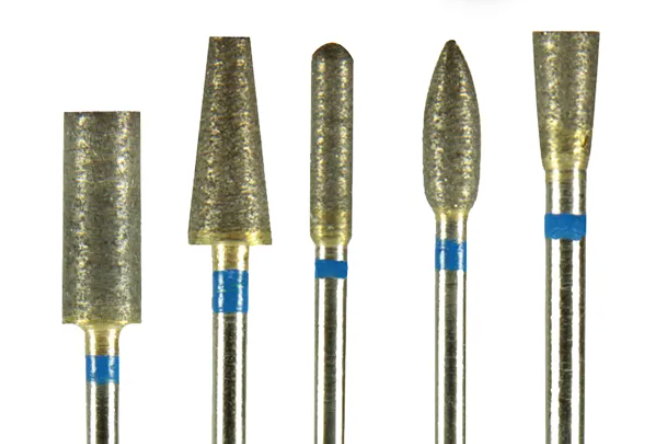
Fully sintered diamond burs occupy a distinct category in the dental instrument lineup. Unlike electroplated diamond burs that coat a metal blank with a single layer of diamond particles, sintered burs embed diamond grit throughout the entire working head. This structural difference affects cutting behavior, longevity, and the types of procedures where each bur excels.
This article explains the sintering process, compares sintered burs to their electroplated counterparts, and provides practical guidance on selection, proper technique, and maintenance routines that extend service life.
How Sintered Diamond Burs Are Manufactured
The sintering process bonds diamond particles into a metal matrix under extreme heat and pressure. During manufacturing, diamond powder is mixed with a metal binder -- typically a cobalt, bronze, or nickel alloy -- and pressed into a mold matching the desired bur shape. The assembly is then heated in a furnace to temperatures between 700 and 900 degrees Celsius.
At these temperatures, the metal binder softens and flows around the diamond particles without melting them. As the assembly cools, the diamond crystals become locked in a solid metal matrix that extends from the surface deep into the core of the bur head.
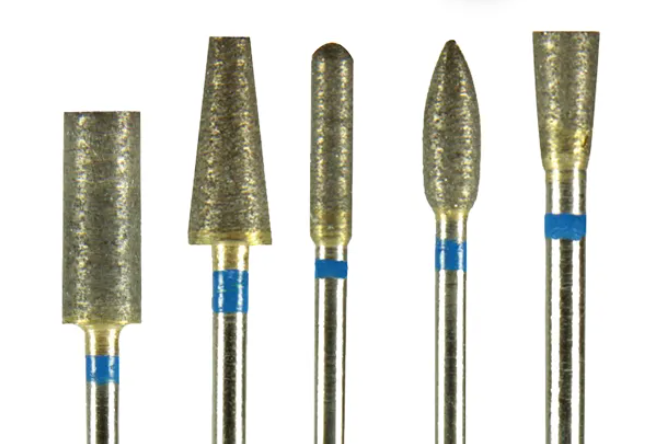
This construction gives sintered burs a self-sharpening property. As the outer layer of diamond particles wears down during use, the metal matrix gradually erodes to expose fresh diamond crystals beneath. Electroplated burs lack this feature -- once their single surface layer of diamonds wears away, the bur is spent.
Sintered vs. Electroplated Diamond Burs
Both bur types use industrial diamond as their abrasive material, but they behave differently in clinical and laboratory settings. Understanding these differences helps you choose the right tool for each task.
| Feature | Sintered Diamond Bur | Electroplated Diamond Bur |
|---|---|---|
| Diamond distribution | Throughout the bur head | Single surface layer |
| Cutting aggressiveness | Moderate, consistent over time | High initially, declines with wear |
| Lifespan | Significantly longer | Shorter, single-layer wear limit |
| Surface finish | Slightly rougher | Smoother initial cut |
| Cost per bur | Higher upfront | Lower upfront |
| Cost per procedure | Often lower due to longevity | Higher due to frequent replacement |
| Best suited for | Lab work, ceramic adjustment, extended procedures | Chairside preparations, fine finishing |
For a deeper comparison of these two manufacturing approaches, our article on sintered vs. electroplated diamond burs covers additional detail on performance differences and cost analysis.
When to Choose Sintered Diamond Burs
Sintered burs are not always the best choice, but they excel in specific applications where their durability and consistent cutting action provide clear advantages.
Ceramic and Zirconia Adjustments
High-strength ceramics and zirconia restorations wear down electroplated burs rapidly. The hardness of these materials strips the single diamond layer in just a few uses. Sintered burs maintain their cutting ability through multiple adjustment sessions, making them more economical for practices that regularly work with all-ceramic restorations.
Laboratory Trimming and Contouring
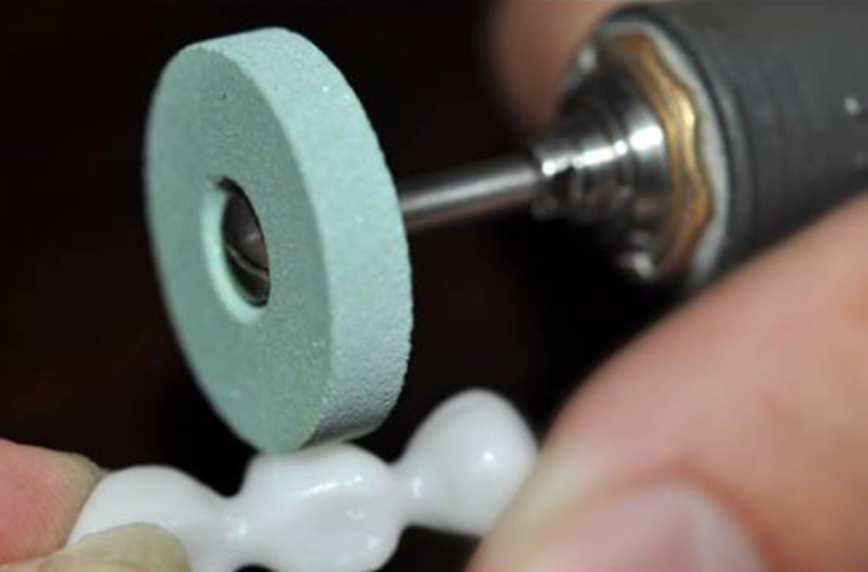
Dental laboratory technicians processing ceramic crowns, bridges, and implant abutments benefit from the extended lifespan of sintered burs. A single sintered bur can handle the trimming and contouring of many units before needing replacement, reducing per-unit instrument costs.
Bulk Material Removal
When removing large volumes of ceramic or composite material -- such as cutting off an old crown or reducing an overly thick provisional -- sintered burs provide steady cutting performance without the sudden drop-off that electroplated burs experience as their diamond layer thins.
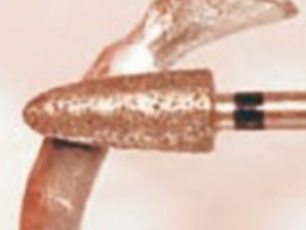
Endodontic Post Removal
Removing ceramic or fiber posts from root canals requires sustained cutting through hard material in a confined space. Sintered burs maintain their effectiveness throughout the procedure, reducing the risk of needing to switch burs mid-treatment.
Selecting the Right Shape and Grit
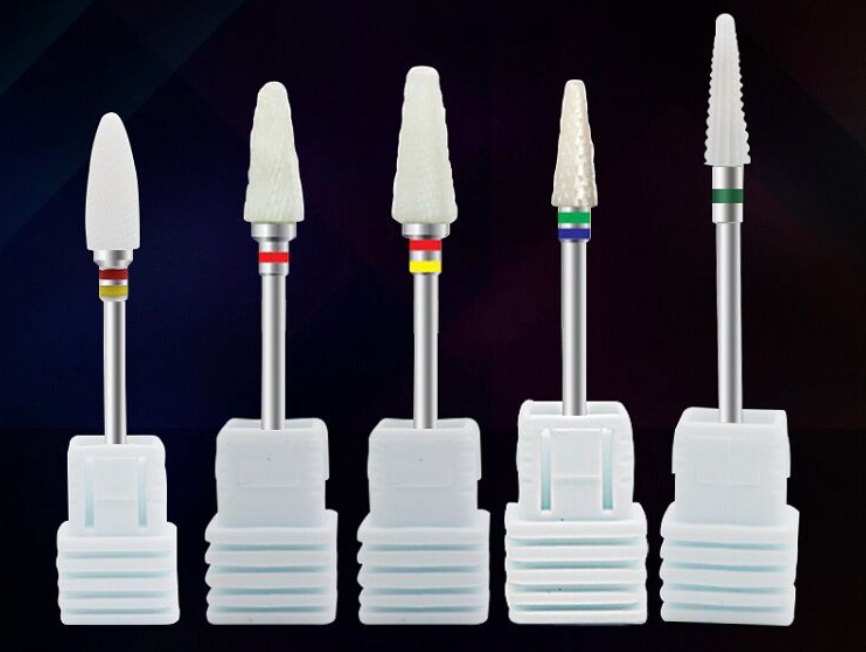
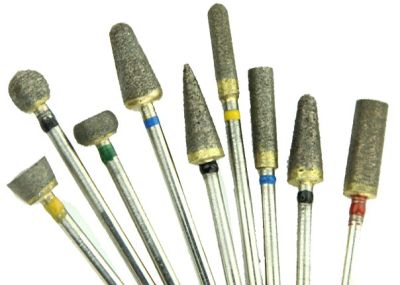
Sintered diamond burs come in the same range of shapes as electroplated versions. The choice of shape follows the same clinical logic used for any diamond dental bur.
Common Shapes and Their Applications
- Round: Access openings, caries removal, creating retention points
- Flame: Subgingival margin refinement, interproximal contouring
- Tapered (flat end): Crown preparation with flat shoulder margins
- Tapered (rounded end): Crown preparation with chamfer margins
- Pear: Cavity preparation, undercut creation
- Cylinder: Parallel wall preparation, flat surface reduction
- Football (egg): Occlusal anatomy contouring, concavity shaping
Grit Selection Guidelines
Sintered burs are available in coarse, medium, and fine grits, though the selection is typically narrower than what electroplated burs offer. The grit impacts both cutting speed and surface quality:
- Coarse grit (125-150 micron): Rapid material removal, rough shaping. Best for initial reduction of ceramic restorations.
- Medium grit (100-120 micron): General-purpose cutting. Balances speed and surface finish for most procedures.
- Fine grit (50-75 micron): Finishing and smoothing. Produces a surface ready for polishing with rubber points or diamond paste.
Proper Technique for Using Sintered Diamond Burs
Sintered burs require a slightly different approach than electroplated burs to get the best results.
Speed and Pressure
Operate sintered burs at the speed recommended by the manufacturer, typically between 100,000 and 160,000 RPM for high-speed handpiece applications. Apply light to moderate pressure and let the diamond do the work. Excessive pressure generates heat, risks thermal damage to the pulp or restoration, and accelerates wear on the metal matrix without improving cutting speed.
Water Cooling
Always use water spray when cutting with sintered diamond burs at high speed. The friction between diamond abrasive and tooth or ceramic material generates significant heat. Water spray serves two purposes: it cools the cutting site and flushes debris from the diamond surface, maintaining cutting efficiency.
Intermittent Contact
Use a brushing or pecking motion rather than continuous sustained pressure. Brief contact followed by momentary release allows water to reach the cutting interface and prevents heat accumulation in the bur head and the substrate being cut.
Maintenance and Care
Proper maintenance extends sintered bur lifespan significantly. A well-maintained sintered bur can last five to ten times longer than an electroplated bur of equivalent size and shape.
Cleaning After Use
Remove debris immediately after each procedure. Soak the bur in an enzymatic cleaning solution for the time specified by the solution manufacturer, then scrub the working head with a brass wire brush or nylon cleaning brush. Avoid steel wire brushes, which can damage the diamond-metal matrix. For thorough cleaning protocols, see our guide on cleaning and storing dental diamond burs.
Sterilization
Sintered diamond burs are compatible with standard autoclave sterilization (steam at 134 degrees Celsius, 18 minutes). They tolerate repeated autoclave cycles without degradation of the diamond-metal bond. Chemical sterilization with glutaraldehyde solutions is also acceptable but should not replace autoclaving as the primary sterilization method.
Inspection and Replacement
Inspect burs under magnification after cleaning. Signs that indicate replacement is needed include:
- Visible flattening or rounding of the bur head profile
- Noticeably reduced cutting efficiency despite proper technique
- Wobble or runout when spinning in the handpiece
- Discoloration or pitting of the metal matrix
Storage
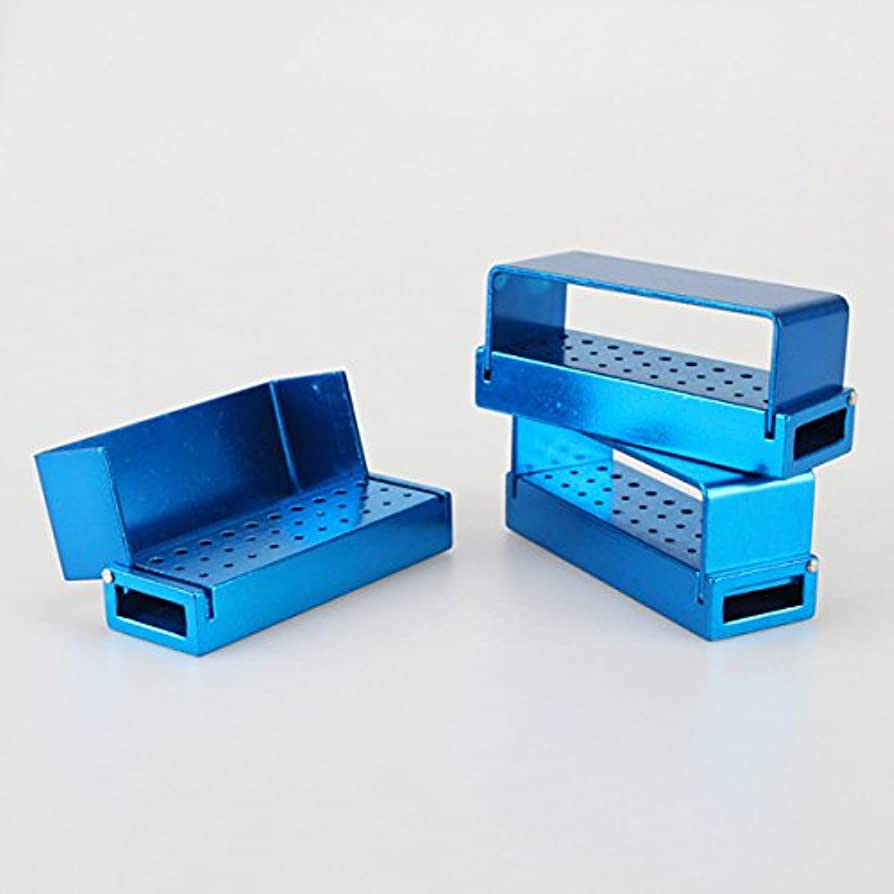
Store sintered burs in a bur block or organizer that keeps each instrument separated. Contact between burs during storage can chip diamond particles and damage cutting surfaces. Keep bur blocks in a dry, clean environment away from corrosive chemicals.
Cost Considerations for Dental Practices
The higher upfront cost of sintered diamond burs often discourages first-time buyers. However, a cost-per-procedure analysis typically favors sintered burs in applications involving hard materials. A single sintered bur that lasts through 30 or more ceramic adjustments costs less per use than replacing an electroplated bur every three to five uses.
For chairside work on natural tooth structure where electroplated burs perform well and the cutting demands are lower, electroplated burs remain a cost-effective choice. The practical approach is to stock both types and use each where it performs best.
Summary
Fully sintered diamond burs offer a durable, self-renewing cutting surface that makes them well suited for ceramic work, laboratory applications, and any procedure that demands sustained diamond abrasion. Selecting the correct shape and grit, applying proper technique with light pressure and adequate cooling, and following consistent cleaning and sterilization protocols will maximize their long service life and keep your per-procedure costs low.