What Are CAD/CAM Milling Burs?
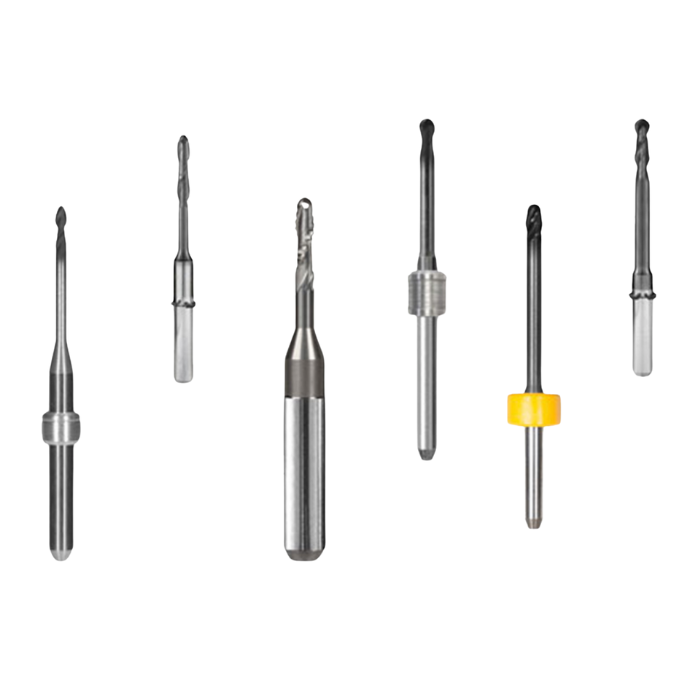
CAD/CAM milling burs are precision cutting instruments used inside computer-controlled milling machines to shape dental restorations. The process starts with a digital design created in CAD software, which is then sent to a milling unit where the bur physically carves the restoration from a block of raw material. Crowns, bridges, veneers, inlays, onlays, and orthodontic appliances are all produced this way.
The quality of the finished restoration depends directly on the milling bur. A worn or poorly matched bur produces rough margins, inaccurate fits, and wasted material. Selecting the right bur for each material and application is one of the most important decisions a dental technician makes during the milling workflow.
How Dental CAD/CAM Milling Works
Understanding the milling process helps explain why bur selection matters so much. Here is the typical workflow from scan to finished restoration:
- A digital impression of the patient's teeth is captured with an intraoral scanner or a desktop scanner reads a physical impression.
- The dental technician or dentist designs the restoration in CAD software, setting margins, occlusal anatomy, and connector dimensions.
- The CAM software generates a toolpath, which is a set of instructions telling the milling machine exactly how to move the bur through the material block.
- The milling machine executes the toolpath, using one or more burs to rough-cut and then finish the restoration.
- The restoration is removed from the block, sintered if needed (for zirconia), and finished by hand or with polishing tools.
Modern milling machines operate on three to five axes. Three-axis machines move the bur in X, Y, and Z directions. Five-axis machines add two rotational axes, allowing the bur to approach the workpiece from virtually any angle. This additional freedom of movement is particularly valuable for restorations with deep undercuts or complex internal geometries.
Types of Milling Burs by Material Composition
Milling burs are manufactured from several different materials, each suited to specific applications. The two most common categories in dental milling are tungsten carbide and diamond-coated burs.
Tungsten Carbide Milling Burs
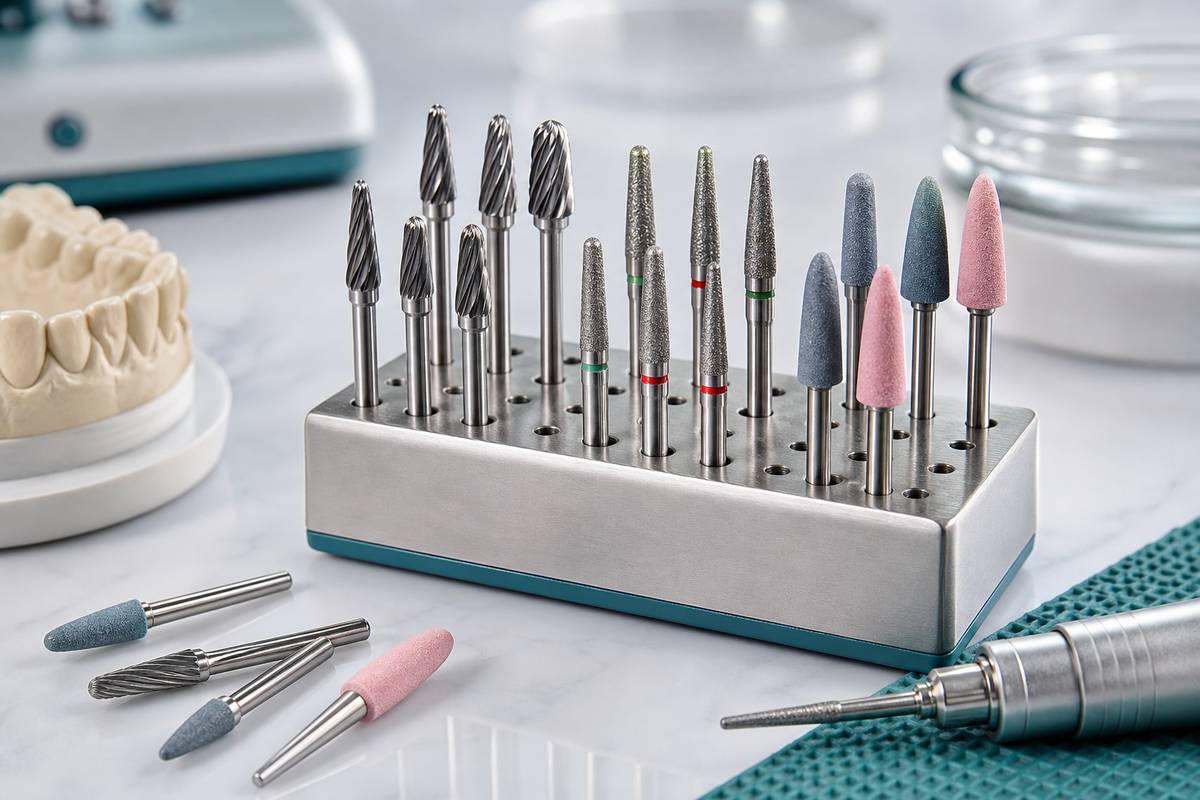
Tungsten carbide burs are extremely hard and maintain sharp cutting edges over extended use. They are the standard choice for milling wax, PMMA (polymethyl methacrylate), composite resins, and softer ceramics. Their cutting action produces clean chip evacuation and smooth surface finishes on these materials.
Carbide burs typically feature spiral flutes that direct material chips away from the cutting zone. The number of flutes affects the balance between cutting speed and surface finish. Fewer flutes cut faster but leave a rougher surface; more flutes produce finer finishes at slower material removal rates.
Diamond-Coated Milling Burs
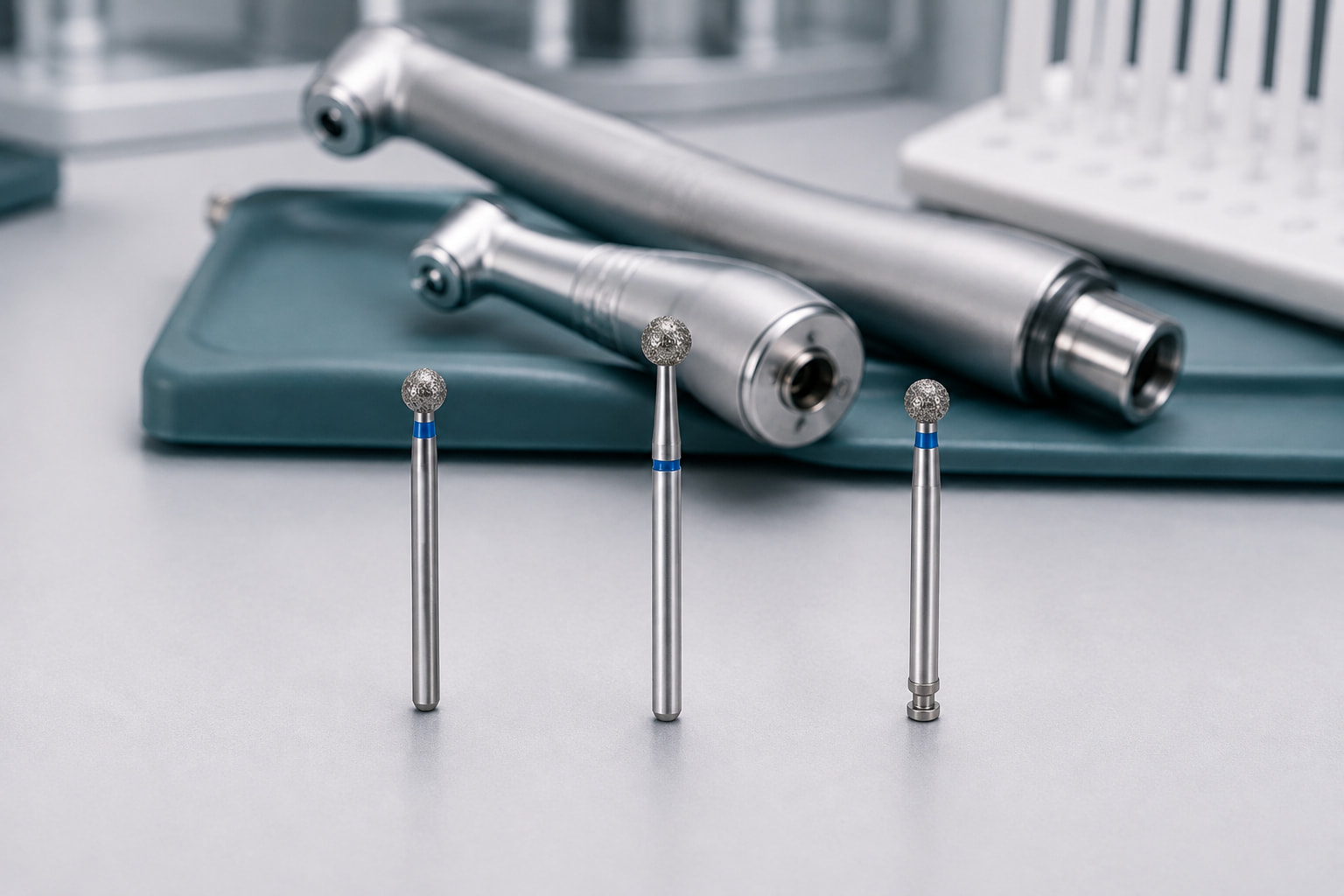
Diamond-coated burs feature industrial diamond particles bonded to the bur surface. They are the preferred choice for milling hard ceramics such as lithium disilicate (e.g., IPS e.max), zirconia, and glass ceramics. The diamond coating allows these burs to grind through materials that would rapidly dull a carbide edge.
Diamond burs work by abrasion rather than cutting. The diamond particles scratch and chip away material at a microscopic level. This grinding action generates more heat than carbide cutting, which is why adequate coolant flow is important when milling hard ceramics.
Matching Burs to Restoration Materials
Choosing the wrong bur for a given material leads to premature wear, poor fit, and potential damage to the milling machine spindle. The following table summarizes common material and bur pairings.
| Restoration Material | Recommended Bur Type | Notes |
|---|---|---|
| Zirconia (pre-sintered) | Tungsten carbide | Zirconia is soft before sintering; carbide burs work well |
| Zirconia (fully sintered) | Diamond-coated | Requires diamond abrasion due to extreme hardness |
| Lithium disilicate | Diamond-coated | Hard glass ceramic; diamond is the only practical option |
| PMMA / Wax | Tungsten carbide | Soft materials; carbide gives clean cuts without clogging |
| Composite resin | Tungsten carbide | Similar to PMMA in hardness; carbide handles it efficiently |
| Metal alloys (CoCr, Ti) | Tungsten carbide (coated) | Requires coated carbide or specialty metal-cutting burs |
For a full range of milling burs compatible with major milling systems, visit our CAD/CAM milling burs product category.
Key Specifications to Consider
When ordering milling burs, several specifications determine compatibility and performance. Getting any one of these wrong can result in a bur that does not fit your machine or produces subpar results.
Shank Diameter
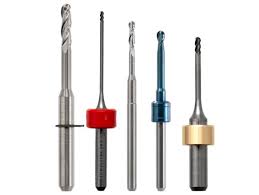
The shank is the cylindrical portion that inserts into the milling machine collet. Common shank diameters in dental milling include 3mm, 4mm, and 6mm. Always verify that the bur shank matches your machine's collet size exactly.
Cutting Diameter
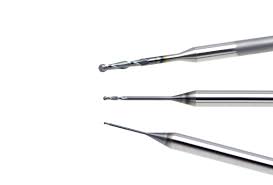
This determines the minimum internal radius the bur can produce. Smaller cutting diameters allow finer detail but require more passes and longer milling times. Most dental milling uses burs between 0.5mm and 2.5mm cutting diameter.
Overall Length
Bur length must match the machine's tool holder specifications. A bur that is too short will not reach the full depth of the material block, while one that is too long may cause excessive vibration and deflection.
Coating
Some tungsten carbide burs feature additional coatings such as titanium nitride (TiN) or diamond-like carbon (DLC). These coatings reduce friction, extend tool life, and improve performance on abrasive materials.
Milling Bur Maintenance and Replacement
Even the highest-quality milling burs are consumable items. They wear down with use and must be replaced at regular intervals to maintain restoration accuracy. Here is a practical maintenance routine.
- Clean after every milling cycle. Use an ultrasonic cleaner or a soft brush with isopropyl alcohol to remove material residue from the flutes or diamond surface.
- Inspect under magnification. Look for chipped cutting edges, worn diamond coating, or visible scoring on the shank. Any of these signs indicate the bur should be replaced.
- Track milling cycles. Most manufacturers specify a recommended number of milling cycles per bur. Log each cycle to know when replacement is due.
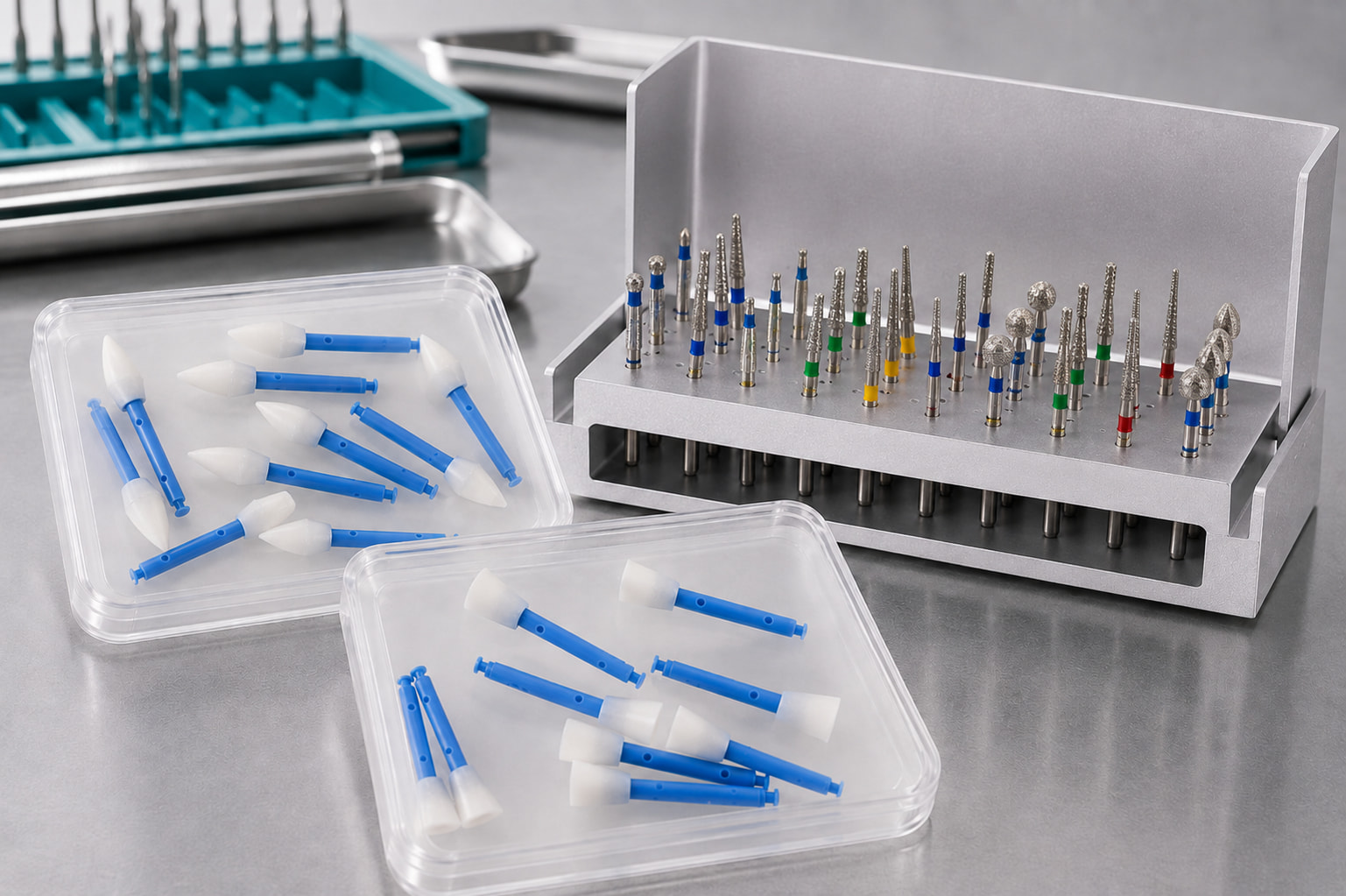
- Store properly. Keep burs in their original packaging or a dedicated holder to prevent contact damage. Never toss loose burs into a drawer.
Running a worn bur beyond its service life risks producing restorations with poor marginal fit, which means costly remakes and longer patient wait times. The cost of a replacement bur is always less than the cost of a failed restoration.
Common Milling Problems Caused by Bur Issues
When restorations come out of the milling machine with defects, the bur is often the first place to look. Here are typical problems and their bur-related causes.
Rough or Ridged Surfaces
This usually indicates a worn bur that is no longer cutting cleanly, or a bur with the wrong number of flutes for the material being milled. Replacing the bur and verifying the toolpath settings typically resolves this issue.
Inaccurate Margins
A deflecting bur, often caused by excessive length or a worn collet, produces margins that deviate from the digital design. Check both the bur and the collet for wear.
Chipping on Ceramic Restorations
Milling hard ceramics with a worn diamond bur or at excessive feed rates can cause edge chipping. Reducing the feed rate and using a fresh bur usually eliminates this problem.
Integrating Milling with Your Lab Workflow
Milling is just one stage in the digital dental workflow. Before milling, the design must be optimized in CAD software with proper cement gaps, connector dimensions, and occlusal anatomy. After milling, restorations typically require finishing steps such as sintering, staining, glazing, or polishing.
If you work with zirconia restorations, you may find our guide on new diamond bur technology helpful for understanding how bur innovations affect both milling and chairside adjustment procedures.
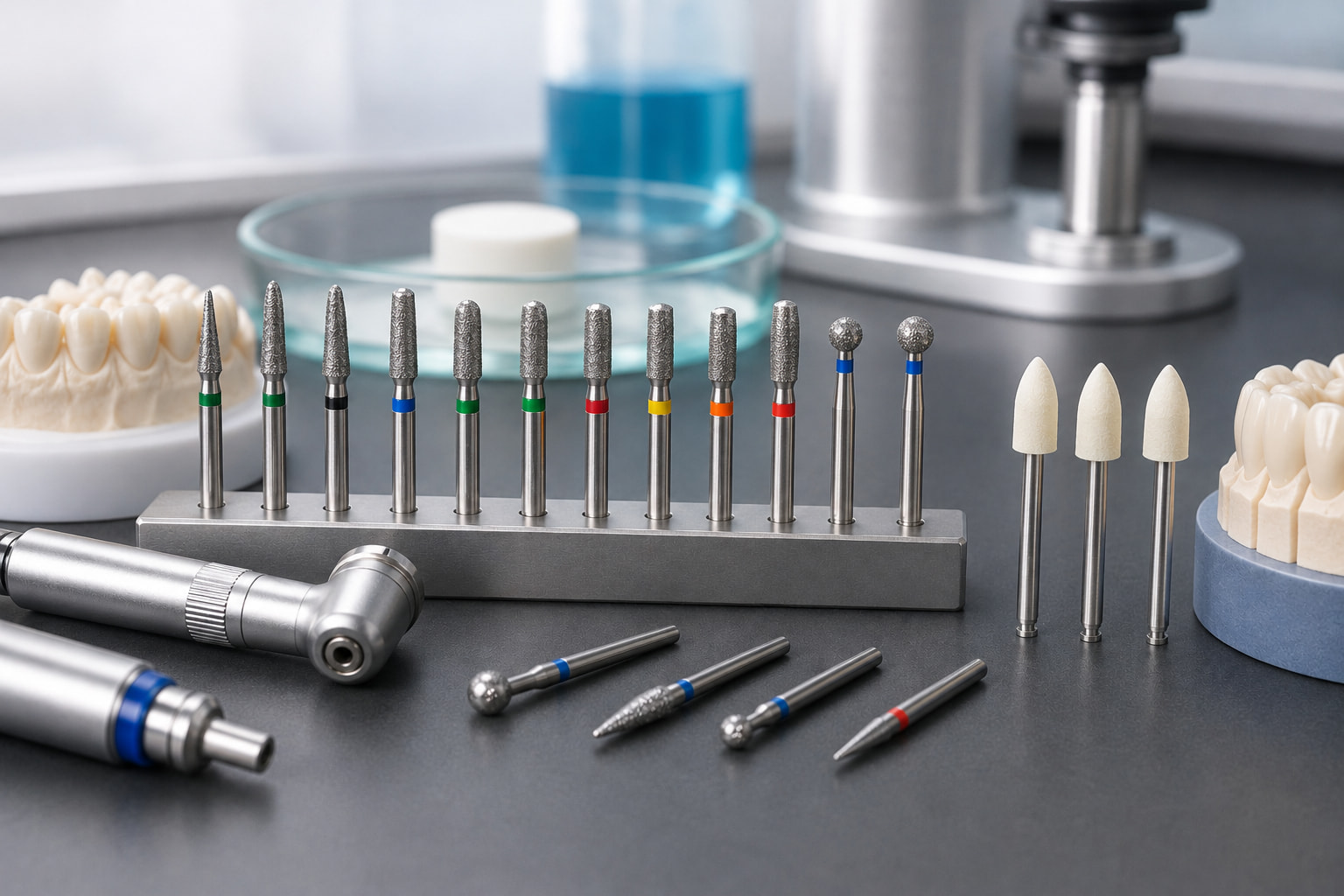
For labs that also handle hand-finishing and polishing after milling, our diamond dental burs product line includes the shapes and grits commonly needed for refining milled restorations before delivery to the clinic.
As digital dentistry continues to expand, the demand for reliable, precisely manufactured milling burs will only grow. Investing in quality burs and following a disciplined maintenance schedule is the most direct path to consistent restoration quality and efficient lab production.