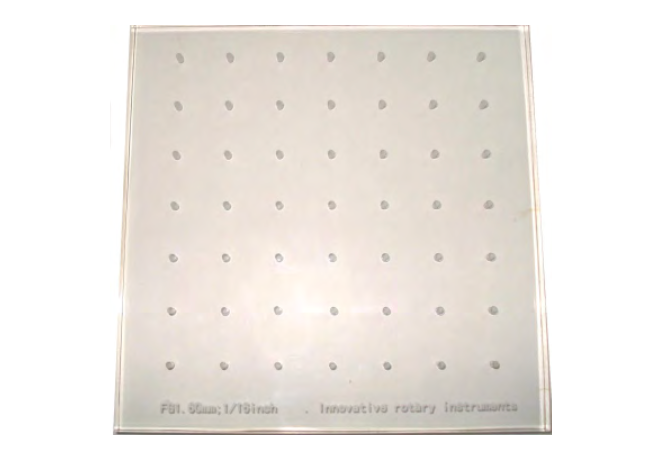
Transparent showing plates have transformed how dental laboratories present restorations, communicate with dentists, and ensure accurate case completion. These specialized display systems allow dental technicians to showcase prosthetics, crowns, bridges, and other restorations in a clear, professional manner that facilitates evaluation from all angles without repeated handling.
Unlike traditional opaque display bases, transparent showing plates provide unobstructed views of restoration margins, occlusal surfaces, and gingival contours while protecting delicate prosthetics during transit and case presentation. Understanding the benefits, material options, and best practices for transparent showing plates helps laboratories deliver superior results and improve case acceptance rates.
What Are Transparent Showing Plates?
Transparent showing plates, also called transparent display plates or showing trays, are clear platforms designed to hold and present dental restorations during fabrication, quality control, case presentation, and shipment to dental offices. These plates typically feature organized compartments or designated areas for positioning individual units, allowing technicians and dentists to evaluate restorations without direct handling.
Modern transparent showing plates come in various configurations, from simple flat sheets with adhesive positioning to sophisticated multi-compartment systems with integrated labeling areas. The transparency allows light to pass through, making it easier to evaluate translucency, color depth, and internal characteristics of ceramic and composite restorations.
Material Types and Construction
Transparent showing plates are manufactured from several materials, each offering distinct advantages for different laboratory applications.
Acrylic (PMMA) Showing Plates
Polymethyl methacrylate (PMMA) acrylic is the most common material for transparent showing plates. Acrylic plates offer excellent optical clarity, allowing true color evaluation of restorations. They're lightweight, economical, and available in various thicknesses from 2mm to 6mm.
Acrylic plates resist most common dental lab chemicals including plaster separators, die spacers, and temporary cement removers. However, they can be scratched by aggressive handling or contact with abrasive materials. Medical-grade acrylic showing plates meet biocompatibility standards for brief oral contact during try-in procedures.
Glass Showing Plates
Glass plates provide superior optical clarity and scratch resistance compared to acrylic. Premium laboratories often choose tempered glass showing plates for high-value cases requiring precise shade matching and detailed aesthetic evaluation.
Glass plates maintain clarity over extended periods without yellowing or cloudiness. They withstand repeated cleaning and disinfection without degradation. The primary drawbacks are increased weight and fragility, requiring more careful handling and protective packaging during shipment.
Polycarbonate Composite Plates
Polycarbonate showing plates combine many advantages of acrylic and glass. They offer better impact resistance than either acrylic or glass, making them ideal for laboratories that ship cases frequently or work in high-volume production environments.
While polycarbonate has slightly lower optical clarity than glass, it still provides excellent visualization for most clinical applications. These plates resist scratching better than acrylic and are nearly unbreakable under normal use conditions.
Improved Accuracy in Restoration Evaluation
One of the most significant benefits of transparent showing plates is the enhanced accuracy they provide during restoration evaluation and quality control processes.
Multi-Angle Visual Inspection
Transparent plates enable technicians to examine restorations from multiple perspectives without repeatedly picking up and repositioning each unit. This reduces handling that could lead to damage while allowing thorough evaluation of:
- Margin integrity and adaptation along the entire circumference
- Occlusal anatomy including cusp height, fossa depth, and contact points
- Proximal contours and contact areas
- Gingival embrasure form
- Surface texture and polish quality
- Symmetry across multiple units in larger cases
By placing the showing plate on a light box or over a neutral background, technicians can evaluate translucency gradients and internal color characteristics that affect how the restoration will appear in the patient's mouth under different lighting conditions.
Dimensional Verification
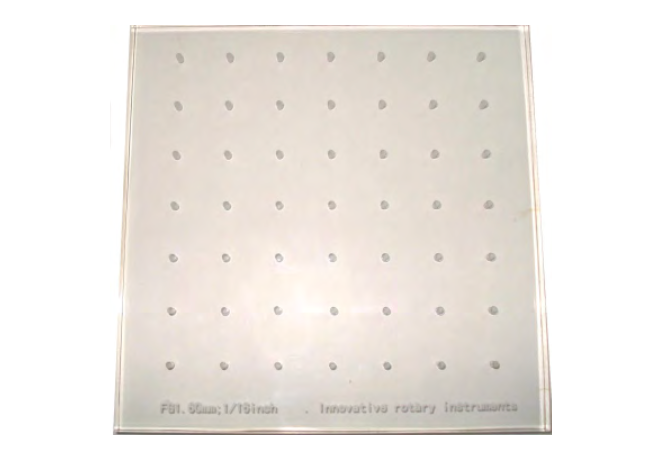
Transparent showing plates with printed reference grids or measurement marks allow quick dimensional verification. Technicians can confirm that restoration dimensions match the prescription specifications without removing units from the plate, reducing the risk of mix-ups or orientation errors.
Detailed Photographic Documentation
The transparency of these plates makes them ideal for photographic documentation. When photographing restorations against a transparent plate positioned over a standardized background, laboratories can create consistent, professional images for case records, quality assurance reviews, or marketing purposes.
Photographs taken through transparent showing plates eliminate distracting shadows and reflections common when photographing restorations directly, resulting in clearer documentation of anatomy and surface details.
simplified Laboratory Workflow
Transparent showing plates significantly improve efficiency throughout the fabrication process, from initial design through final delivery.
Reduced Handling and Contamination Risk
Traditional workflow often requires technicians to pick up individual restorations multiple times during fabrication stages for inspection, adjustment, and transit between workstations. Each handling event creates opportunities for contamination, fingerprints, or accidental drops.
With transparent showing plates, restorations can remain on the plate through multiple process stages. Technicians can evaluate progress, compare units, and make decisions about further processing without direct contact. This is particularly valuable for delicate all-ceramic restorations that are vulnerable to fracture before final sintering or glazing.
Simplified Work-in-Progress Organization
Transparent plates with multi-compartment designs help organize complex cases involving numerous units. Each restoration maintains its designated position on the plate, reducing the risk of mixing up similar units or placing restorations in incorrect positions.
Laboratories can label transparent plates with case information, shade specifications, and special instructions using erasable markers or adhesive labels. The transparency ensures labels don't obscure the restorations themselves.
Efficient Case Comparison and Batch Processing
When fabricating multiple cases with similar specifications, transparent showing plates allow easy side-by-side comparison. Technicians can evaluate color consistency across different cases, verify that similar prescriptions have been processed identically, and maintain quality standards across high-volume production.
During final quality control, supervisors can review multiple completed cases simultaneously, identifying any variations that require correction before shipment.
Enhanced Shade Matching and Aesthetic Communication
Accurate shade matching remains one of the most challenging aspects of dental laboratory work. Transparent showing plates provide several advantages for color evaluation and aesthetic refinement.
Consistent Evaluation Environment
By positioning transparent plates over standardized backgrounds (typically neutral gray or natural tooth colors), technicians create consistent viewing conditions for shade evaluation. This eliminates variables introduced by placing restorations on different colored surfaces during the fabrication process.
Some laboratories use transparent showing plates specifically designed with printed shade tabs or reference backgrounds that simulate the oral environment, allowing more accurate prediction of how the restoration will appear in function.
Translucency Assessment
Natural teeth exhibit varying degrees of translucency, particularly in incisal edges and thin enamel areas. Transparent showing plates allow technicians to evaluate how light passes through ceramic or composite restorations by positioning them over light sources or contrasting backgrounds.
This capability is essential for achieving lifelike aesthetics in anterior restorations where translucency plays a major role in natural appearance. Technicians can compare the restoration's translucency to shade guide tabs or patient photographs more easily when the restoration is positioned on a transparent plate.
Layering and Color Depth Visualization
For layered ceramic restorations, transparent plates help technicians evaluate the interaction between dentin, enamel, and characterization layers. By viewing the restoration through the transparent plate against different backgrounds, technicians can assess whether internal color depth and layer transitions create the desired optical effects.
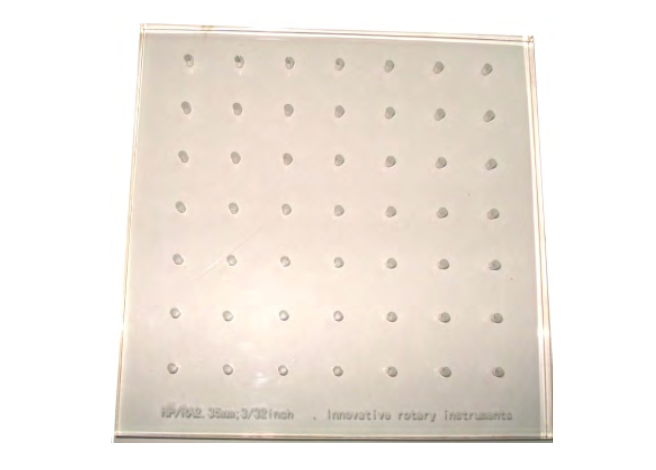
Improved Patient Communication and Case Presentation
Transparent showing plates serve as effective communication tools between laboratories, dentists, and patients, improving case acceptance and patient satisfaction.
Professional Case Presentation to Dentists
When laboratories deliver cases on transparent showing plates, dentists receive restorations in a organized, professional format that facilitates immediate evaluation. The dentist can review all aspects of the restoration without handling it prior to cementation, preserving pristine surfaces and reducing contamination risk.
For try-in appointments, dentists can show patients the proposed restorations on transparent plates, allowing preview of the aesthetic result before final placement. This builds patient confidence and creates opportunities for any final aesthetic adjustments.
Educational Tool for Patients
Transparent showing plates displaying the patient's new restorations serve as powerful educational tools. Patients can clearly see the craftsmanship, attention to detail, and anatomical accuracy of their prosthetics, increasing appreciation for the treatment value.
For complex cases involving multiple units, showing plates help patients understand the relationship between individual restorations and how they work together to restore function and aesthetics. This visual communication often proves more effective than verbal explanations alone.
Documentation for Patient Records
Photographs of restorations on transparent showing plates provide excellent documentation for patient records. These images clearly show the condition of restorations upon delivery from the laboratory, protecting both the dentist and laboratory from liability questions about damage or errors that might occur during cementation procedures.
Durability and Long-Lasting Performance
Quality transparent showing plates provide years of reliable service when properly maintained, making them a sound investment for dental laboratories.
Resistance to Wear and Chemical Exposure
Professional-grade transparent showing plates resist degradation from repeated exposure to common laboratory chemicals. They maintain clarity and structural integrity despite regular contact with:
- Plaster and stone materials
- Die lubricants and separating media
- Temporary cement residues
- Cleaning and disinfecting solutions
- Try-in pastes and provisional materials
Unlike some plastic display systems that become cloudy, yellowed, or brittle over time, high-quality acrylic, glass, and polycarbonate showing plates maintain optical clarity for years with proper care.
Cost-Effectiveness Over Time
While transparent showing plates require an initial investment, their durability makes them more economical than disposable alternatives. A single quality showing plate can be used for hundreds or thousands of cases over several years, dramatically reducing per-case presentation costs.
Laboratories that ship cases frequently benefit from reusable showing plates that dentists can return for future use. Establishing a plate return system reduces ongoing material costs while maintaining professional presentation standards.
Environmental Considerations
Reusable transparent showing plates support sustainability initiatives by reducing reliance on disposable packaging materials. Laboratories committed to environmental responsibility can minimize waste while maintaining high-quality case presentation standards.
Applications Throughout the Laboratory Workflow
Transparent showing plates serve multiple functions at different stages of the restoration fabrication process.
During Fabrication and Processing
Technicians can place restorations on transparent plates immediately after milling, pressing, or layering. The plates then accompany the restorations through:
For laboratories seeking complete equipment solutions, our technician kits provide curated collections of essential tools designed for efficient laboratory workflows.
Conclusion
Transparent showing plates have become essential tools in modern dental laboratories, offering significant advantages in accuracy, workflow efficiency, communication, and patient outcomes. Their ability to protect delicate restorations while providing unobstructed views from all angles makes them invaluable throughout the fabrication process, from initial evaluation through final delivery.
By selecting appropriate plate materials and designs for your specific applications, implementing proper care and maintenance protocols, and integrating showing plates systematically into your workflow, your laboratory can achieve higher quality standards, improved efficiency, and better communication with dental practices.
The investment in quality transparent showing plates pays ongoing dividends through reduced remake rates, fewer handling errors, enhanced aesthetic outcomes, and stronger relationships with the dentists you serve. As dental technology continues advancing, transparent showing plates remain a fundamental tool that supports excellence in laboratory dentistry.