Hard Z Cutters for Dental Labs: Benefits, Types, and Selection Guide
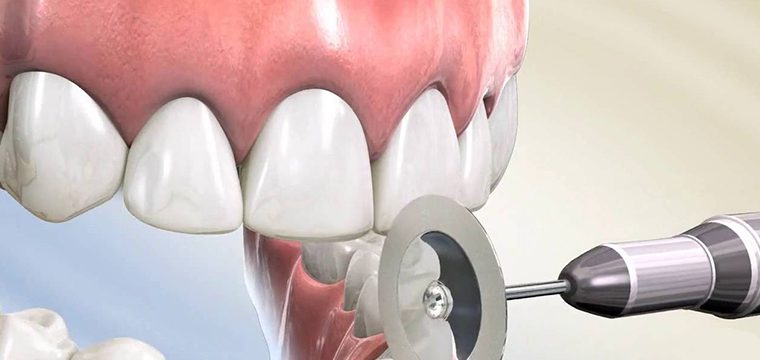
Dental laboratories handle an increasing volume of zirconia-based restorations each year. As zirconia has become the preferred material for crowns, bridges, and implant frameworks, the demand for cutting instruments capable of working with this exceptionally hard ceramic has grown in parallel. Hard Z cutters were developed specifically for this purpose, offering dental lab technicians a reliable tool for cutting, adjusting, and finishing zirconia and other high-strength ceramics.
This guide examines the practical benefits of hard Z cutters, the different types available, how to select the right cutter for specific applications, and maintenance practices that protect your investment.
What Are Hard Z Cutters?
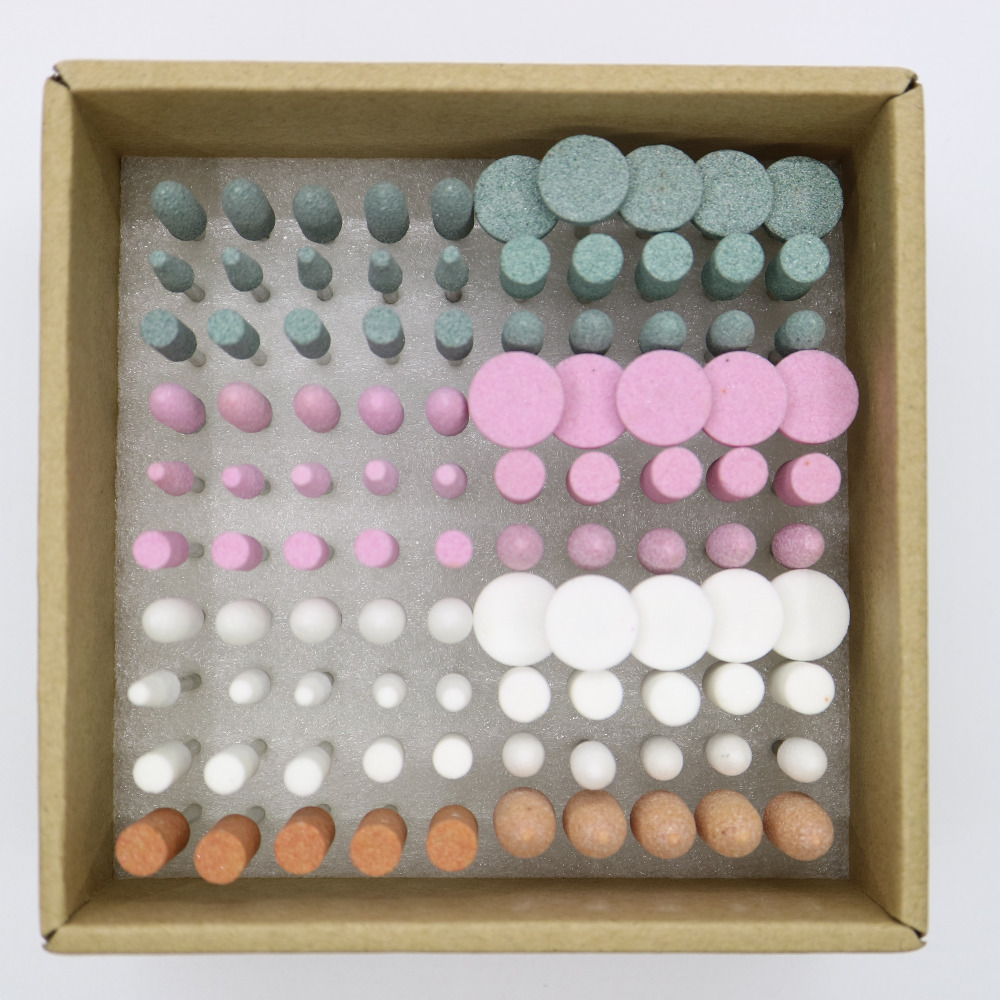
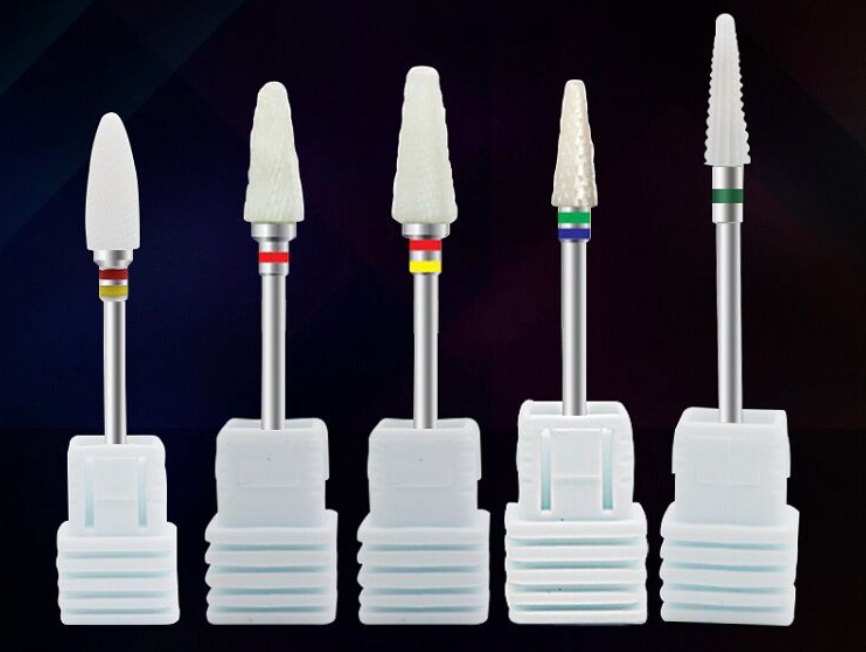
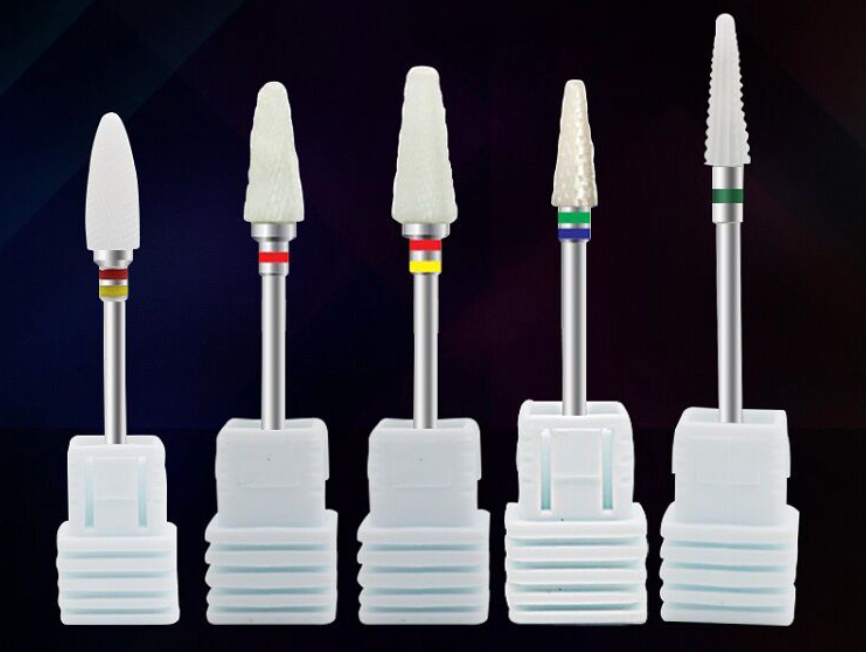
Hard Z cutters are rotary cutting instruments engineered for use with hard dental ceramics, primarily zirconia. They differ from general-purpose dental burs in several important ways:
- The cutting surfaces use specialized diamond or carbide compositions formulated for high-hardness materials
- The geometry of the cutting head is optimized to reduce heat generation during extended cutting sessions
- Shank dimensions and lengths are designed for dental laboratory handpieces and bench motors rather than clinical handpieces
The name refers to their primary application: cutting zirconia (the Z in the name) and similarly hard dental ceramics that would rapidly destroy conventional cutting instruments.
Five Key Benefits of Hard Z Cutters in Dental Labs
Precise Cutting on High-Hardness Materials
Zirconia measures approximately 1200 on the Vickers hardness scale, making it one of the hardest materials dental technicians routinely work with. Standard diamond or carbide burs lose their cutting ability quickly when used on zirconia, resulting in rough cuts, chipping, and poor marginal fit.
Hard Z cutters maintain consistent cutting performance across multiple uses because their abrasive surfaces are specifically matched to the hardness range of dental zirconia. This translates directly into better-fitting restorations that require less adjustment at the chairside.
Extended Tool Life and Lower Cost Per Unit
One of the strongest arguments for hard Z cutters is their durability. A comparison of tool life across common dental lab cutting tasks illustrates the difference:
| Cutting Task | Standard Bur Lifespan | Hard Z Cutter Lifespan |
|---|---|---|
| Zirconia sprue removal | 3-5 units | 15-25 units |
| Framework adjustment | 5-8 units | 20-35 units |
| Contact point refinement | 8-12 units | 30-50 units |
The extended lifespan means fewer tool changes during production runs, less downtime for inventory management, and a significantly lower cost per restoration when the tool expense is calculated across its full working life.
Improved Production Speed
Hard Z cutters remove material faster than general-purpose instruments when working on zirconia and pressed ceramics. This speed advantage comes from the optimized grit distribution and cutting head geometry that allow the tool to maintain contact with the workpiece without the glazing or loading that slows down standard burs.
For laboratories processing high volumes of zirconia restorations, the cumulative time savings across dozens of daily cases can recover one or more additional production hours per week.
Reduced Risk of Workpiece Damage
Using the wrong cutting instrument on zirconia frequently causes microcracks, surface chipping, and subsurface fractures that may not be visible during fabrication but can lead to clinical failure after cementation. Hard Z cutters reduce these risks by cutting cleanly through the material rather than grinding against it with inadequate abrasive force.
A clean cut also produces smoother margins and surfaces, reducing the finishing and polishing time required before the restoration is ready for delivery.
Safer Operation for Technicians
When a standard bur loses its cutting edge on a hard material, technicians instinctively apply more pressure to compensate. This increased force raises the risk of bur slippage, workpiece fracture, and hand injuries. Hard Z cutters that maintain their sharpness longer allow technicians to work with consistent, light pressure throughout the procedure, improving both safety and ergonomic comfort during long production sessions.
Types of Hard Z Cutters and Their Applications
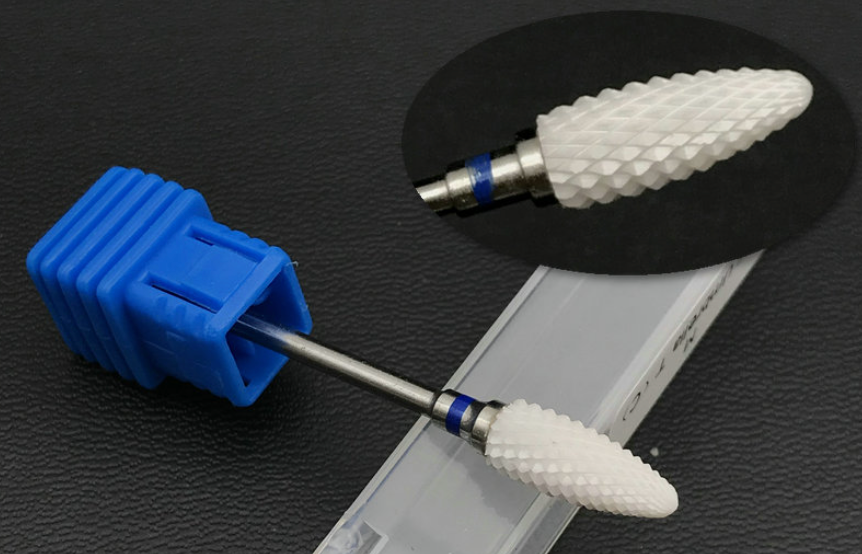
Selecting the right type of hard Z cutter depends on the material being cut and the specific laboratory task. The main categories include:
Diamond-Coated Hard Z Cutters
These are the preferred choice for fully sintered zirconia and other high-hardness ceramics. The diamond coating provides the abrasive force needed to cut through materials that would rapidly wear down carbide alternatives. Diamond-coated versions are available in sintered and electroplated configurations, with sintered options lasting longer for heavy production use.
Carbide Hard Z Cutters
Carbide versions work well for pre-sintered or partially sintered zirconia, as well as softer ceramics like leucite-reinforced glass ceramic and porcelain. They produce smoother cut surfaces than diamond-coated cutters on these softer materials and are the better choice when surface finish matters more than raw cutting power.
Specialized Shapes for Laboratory Tasks
| Shape | Primary Use | Recommended Material |
|---|---|---|
| Cylinder | Sprue removal, flat surface cutting | Sintered zirconia |
| Tapered | Interproximal access, narrow spaces | All ceramic types |
| Flame | Margin refinement, thin areas | Pressed and milled ceramics |
| Wheel | Slot cutting, occlusal adjustment | Sintered zirconia frameworks |
For laboratories working primarily with CAD/CAM milled restorations, our CAD/CAM milling burs complement hard Z cutters by handling the initial milling process before manual adjustment and finishing.
How to Select the Right Hard Z Cutter
Choosing the correct hard Z cutter involves matching four variables to the task at hand:
- Material hardness: Fully sintered zirconia requires diamond-coated cutters; pre-sintered zirconia and softer ceramics can use carbide versions
- Cutting task: Bulk removal calls for coarse grit and aggressive geometry; finishing and adjustment work needs finer grit and smaller head sizes
- Access requirements: Interproximal and lingual surfaces often demand tapered or flame-shaped cutters that can reach confined spaces
- Handpiece compatibility: Verify that the shank diameter and length match your laboratory handpiece or bench motor specifications
When in doubt, start with a medium-grit diamond-coated cylinder, which handles the widest range of zirconia cutting tasks in a typical dental laboratory workflow.
Maintenance and Care for Hard Z Cutters
Proper maintenance extends the working life of hard Z cutters and ensures consistent cutting performance across their entire lifespan.
- Clean after each use: Remove zirconia dust and debris with an ultrasonic cleaner or brass wire brush. Embedded material reduces cutting efficiency and generates excess heat.
- Inspect regularly: Check for missing diamond particles, bent shanks, or uneven wear patterns that indicate the cutter should be replaced.
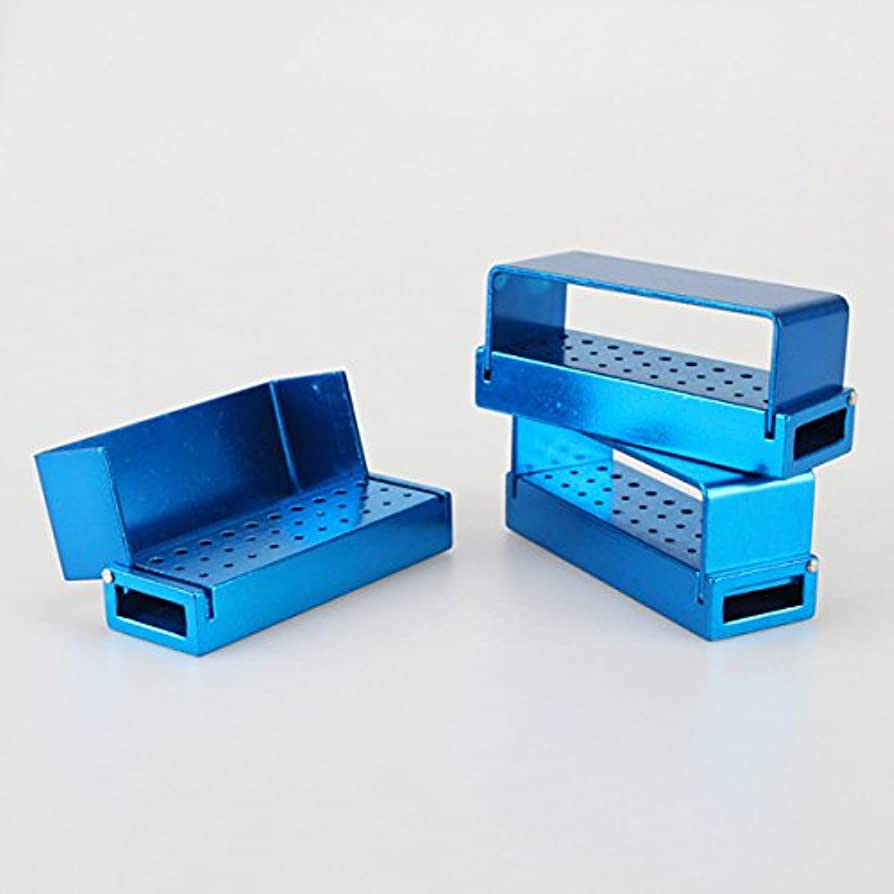
- Store separately: Keep cutters in individual slots within a bur block or organizer. Contact between cutting heads causes premature abrasive loss.
- Monitor speed settings: Operating above recommended RPM ranges accelerates wear and can cause thermal damage to both the cutter and the workpiece.
For more detailed guidance on cleaning and maintaining diamond-based cutting instruments, refer to our article on cleaning, disinfecting, and storing dental diamond burs.
Integrating Hard Z Cutters Into Your Lab Workflow
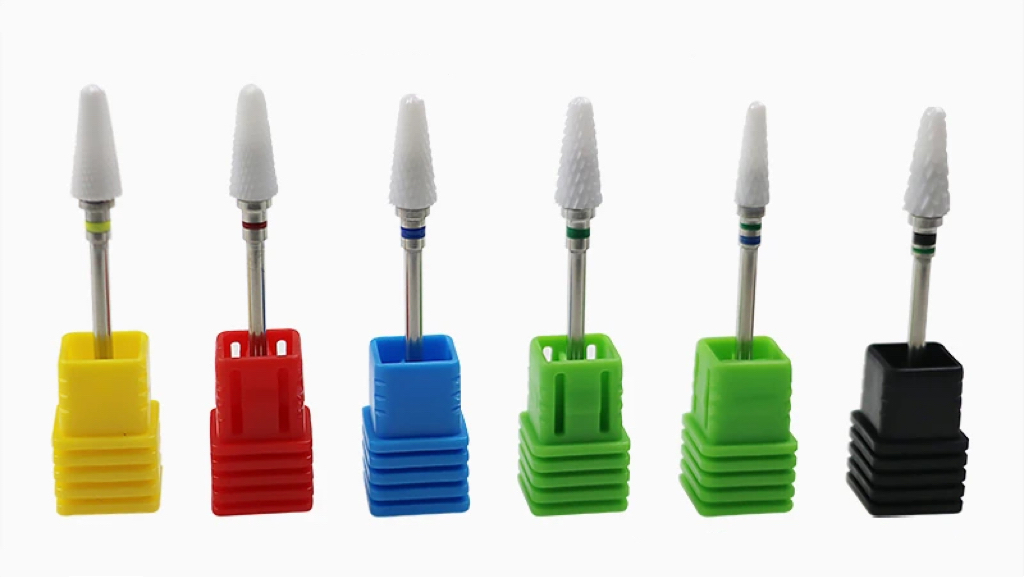
The most effective approach to adopting hard Z cutters is to assign specific cutters to specific workflow stages rather than using one cutter for all tasks. A practical setup for a zirconia-focused laboratory might include:
- Two coarse diamond cylinders for sprue removal and gross adjustment
- Two medium diamond tapered cutters for interproximal refinement
- Two fine diamond flames for margin finishing
- One carbide cylinder for pre-sintered zirconia trimming
This dedicated tool approach prevents cross-contamination of grit sizes, keeps each cutter operating within its designed application range, and makes it easy to track usage and plan replacements.
Summary
Hard Z cutters address the specific challenges of working with zirconia and high-strength ceramics in the dental laboratory environment. Their benefits, including precise cutting, extended tool life, faster production, reduced workpiece damage, and improved technician safety, make them a worthwhile investment for any laboratory that regularly fabricates zirconia restorations.
Selecting the right type and shape for each task, combined with consistent cleaning and storage practices, ensures that hard Z cutters deliver reliable performance across their full working life. For laboratories still using general-purpose burs on zirconia, switching to purpose-built hard Z cutters is one of the most impactful workflow improvements available.