Why the Right Bits Make All the Difference
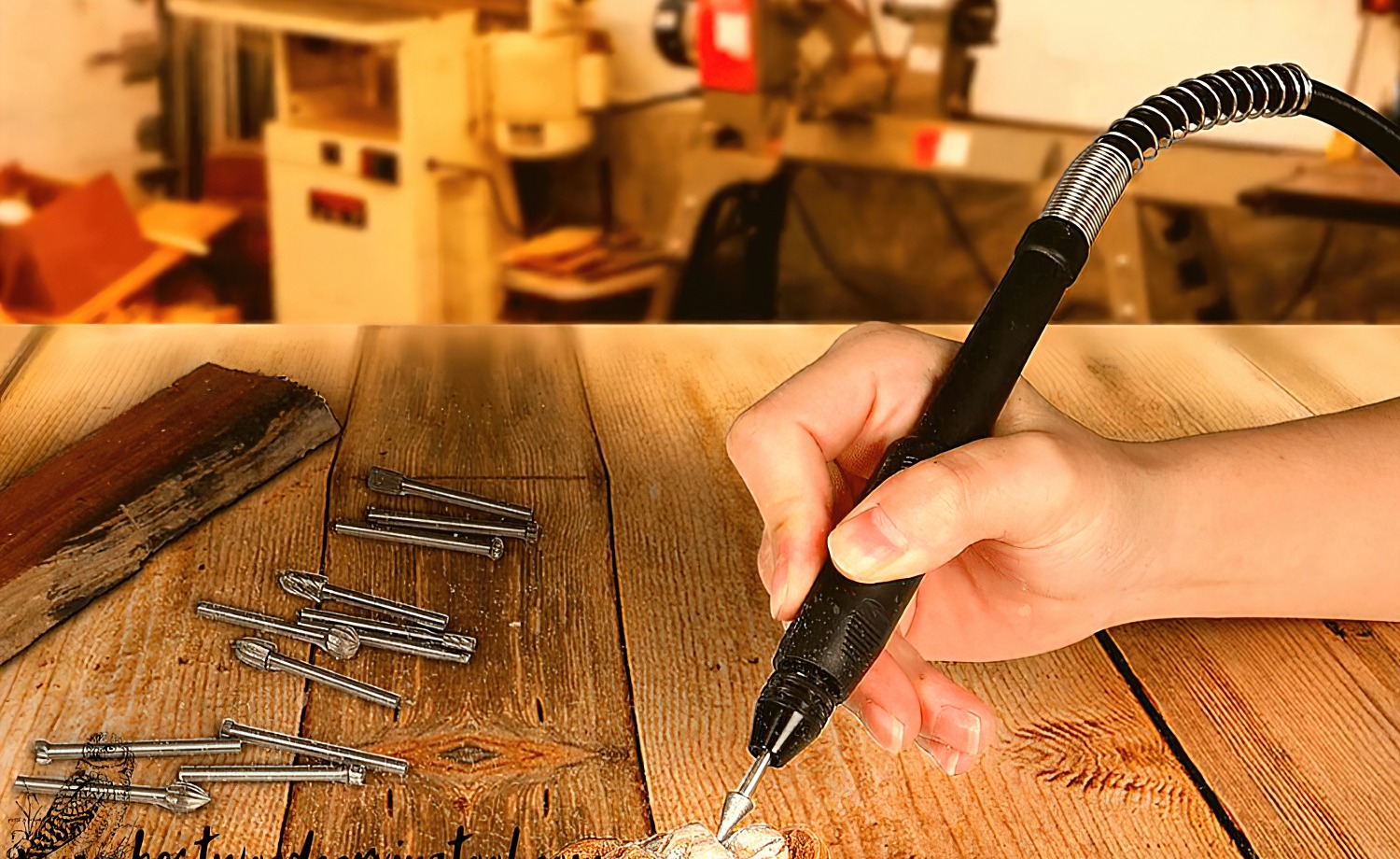
A Dremel rotary tool is only as useful as the bits and burs you attach to it. Whether you are roughing out a spoon blank, detailing a relief panel, or engraving lettering into a sign, each stage of wood carving calls for a different cutting profile, grit, and material. Using the wrong bit slows your work, leaves rough surfaces, and can even burn the wood.
This guide walks through the four main categories of Dremel-compatible bits used in wood carving: cutting bits, drilling and routing bits, sanding bits, and engraving bits. For each category you will find a description of what it does, when to use it, and practical tips that save time and reduce mistakes.
Cutting Bits: Shaping the Blank
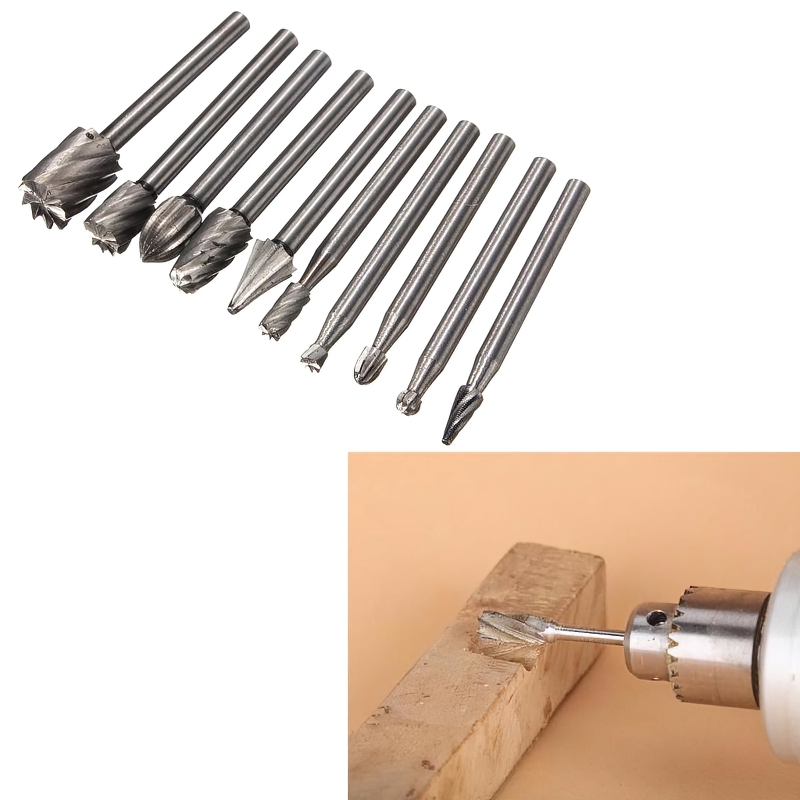
Cutting bits are the first tools you reach for when you have a raw piece of wood and need to establish the overall silhouette or remove large amounts of material. They typically have aggressive flutes or teeth that bite into the wood and throw chips clear of the cut.
High-Speed Cutter Bits
These small, steel-bodied bits have machined teeth and come in a variety of profiles: cylindrical, conical, and ball-nose. They work well for outlining shapes and carving channels. When using a high-speed cutter, always carve from right to left and maintain a firm grip on both the tool and the workpiece. Cutting against the rotation direction prevents the bit from grabbing the wood and jumping out of the line you are following.
Tungsten Carbide Cutting Bits
For denser hardwoods like oak, walnut, and maple, tungsten carbide bits outperform steel cutters significantly. The carbide material holds a sharp edge much longer and resists the heat generated when cutting hard grain. Carbide bits are available in coarse-tooth and fine-tooth versions. Coarse-tooth bits remove stock quickly but leave a rougher surface, while fine-tooth bits produce cleaner cuts that need less sanding afterward.
A common starter set includes a cylindrical carbide bit for flat surfaces, a ball-nose for concave areas, and a taper for V-grooves and detail lines.
Drilling and Routing Bits: Adding Detail and Depth
Once the rough shape is established, drilling and routing bits let you refine contours, hollow out areas, and add three-dimensional depth to your carving.
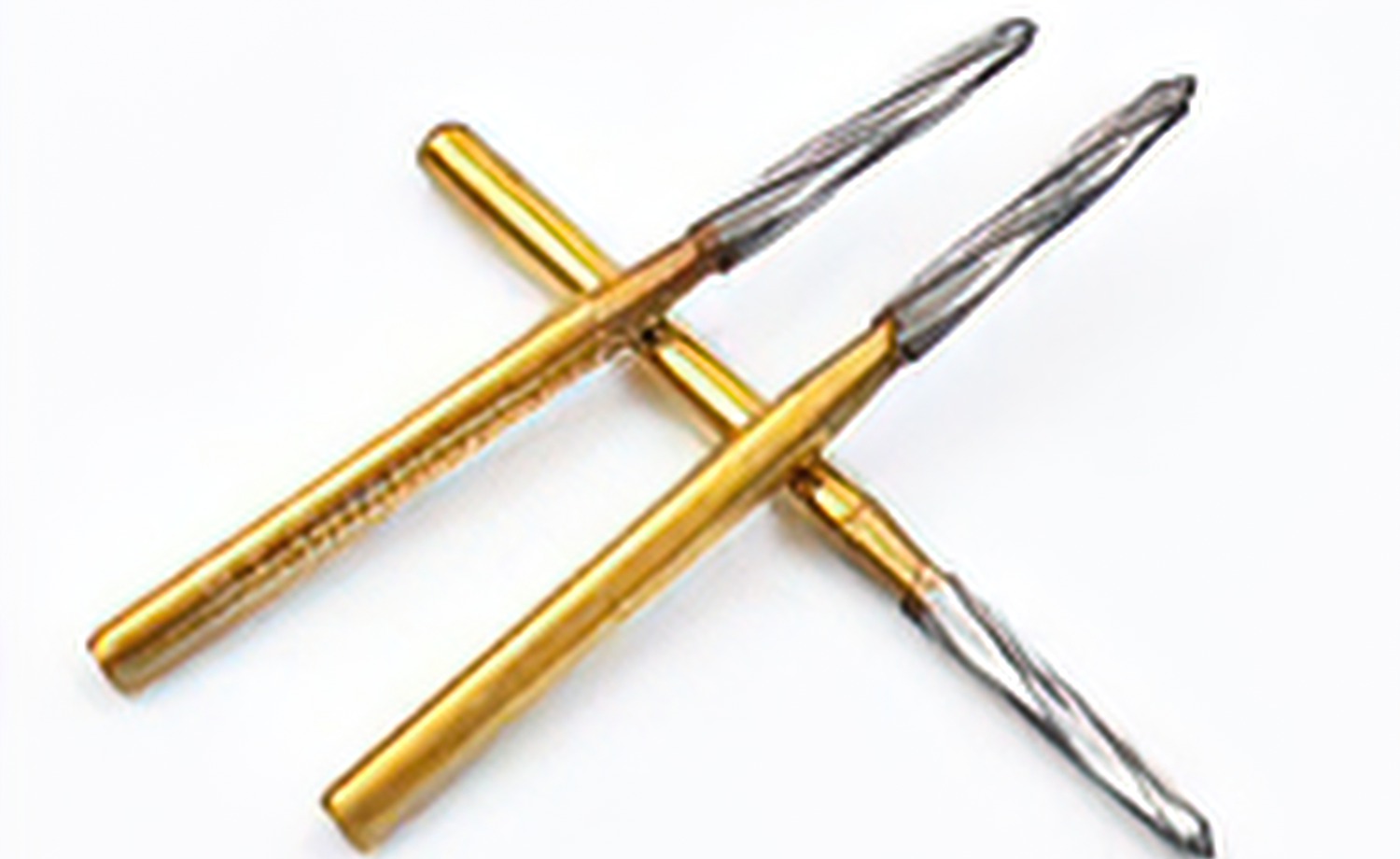
Flame-Shape Diamond Burs
A flame-shape diamond bur is one of the most versatile bits for detail work. Its pointed tip reaches into tight corners, while the wider belly can smooth curved surfaces. Unlike steel cutters, diamond burs do not grab or bite into the wood, which makes them easier to control on delicate features like eyes, feathers, and leaf veins. They work especially well on softer woods such as basswood and butternut.
Taper Burs
Taper burs have a straight, conical shape that is ideal for beveling edges, carving V-channels, and creating sharp, defined lines. Their geometry produces a cleaner edge than a rounded bit would, which is useful when carving lettering or geometric patterns. When routing with a taper bur, set your Dremel to a medium speed (15,000-20,000 RPM) to balance cutting speed with surface quality.
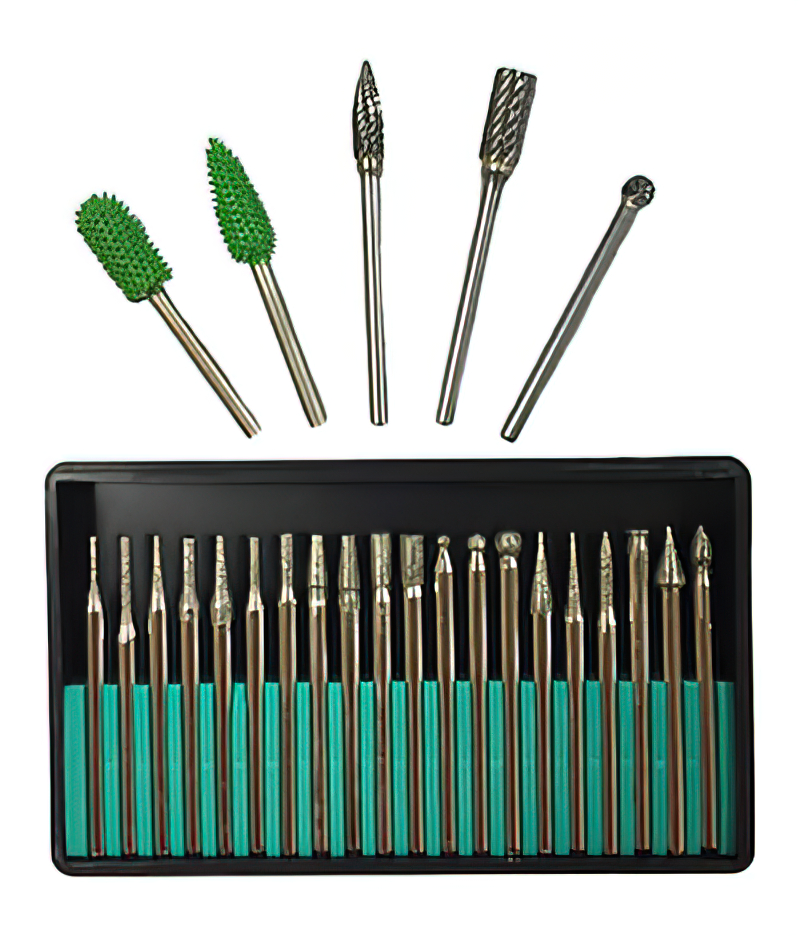
Inverted Cone Burs
The inverted cone shape, wider at the tip than at the shank, is excellent for texturing. Carvers use it to create fish scales, bark patterns, and cross-hatched backgrounds. The flat cutting face leaves a consistent impression each time it contacts the wood, so repeated stamps produce a uniform pattern across a large area. Press straight down rather than dragging to get the cleanest texture marks.
Sanding Bits: Smoothing and Refining
After carving is complete, sanding bits remove tool marks and prepare the surface for finishing oil, paint, or lacquer.
Sanding Drums
The sanding drum is the most commonly used sanding attachment. It consists of a rubber mandrel wrapped with a replaceable abrasive sleeve (sanding band). Bands come in grits from 60 (coarse) to 320 (fine). Start with a coarser grit to level out rough areas and work up to finer grits for a smooth finish. Because the bands are inexpensive and replaceable, you can swap them frequently without worrying about cost.
Flap Wheels and Sanding Discs
Flap wheels are small strips of sandpaper arranged around a central hub. They conform to curved surfaces better than rigid drums, making them ideal for sanding the inside of bowls, spoon hollows, and concave areas. Sanding discs, mounted on a mandrel, work well for flat or convex surfaces and edges.
Abrasive Buffs and Polishing Points
For the final stage before applying a finish, abrasive buff points made of compressed fiber or rubber smooth the surface without creating visible scratch lines. They are particularly useful on end grain, which tends to fuzz up with regular sandpaper. Running a polishing point over end grain at low speed compresses the fibers and leaves a burnished surface.
Engraving Bits: Fine Lines and Lettering
Engraving bits are narrow, pointed instruments designed to inscribe fine lines, text, and delicate detail into wood.
High-Speed Steel Engraving Cutters
The Dremel 191 engraving cutter has a small, rounded cutting tip that works well for carving facial features on wood spirits, lettering on signs, and decorative scrollwork. It leaves a clean line with minimal tear-out when used at moderate speed (around 15,000 RPM) on dry, seasoned wood.
Diamond-Point Engraving Bits
The Dremel 111 is a long, narrow diamond-point bit with a straight cutting edge. It excels at extremely fine engraving work and can also drill tiny pilot holes. Its narrow profile lets you produce hairline-thin lines that would be impossible with wider bits. For the best results, use very light pressure and let the diamond tip do the cutting rather than forcing it through the wood.
Speed and Safety Guidelines
Choosing the right speed setting on your Dremel is just as important as selecting the right bit. Running too fast burns the wood and wears out bits prematurely; running too slow causes the bit to grab and tear the grain. Use the table below as a starting point and adjust based on the hardness of your particular wood species.
| Bit Type | Recommended Speed | Best Wood Types |
|---|---|---|
| High-speed steel cutters | 20,000-30,000 RPM | Basswood, pine, butternut |
| Tungsten carbide cutters | 15,000-25,000 RPM | Oak, walnut, maple, cherry |
| Diamond burs | 15,000-25,000 RPM | All species, detail work |
| Sanding drums | 10,000-15,000 RPM | All species |
| Engraving cutters | 10,000-20,000 RPM | All species, fine detail |
Always wear safety glasses when using a rotary tool. Wood chips and dust travel at high speed and can cause eye injury. A dust mask or respirator is also recommended, especially when sanding or carving resinous woods. If you are new to rotary tools, our Dremel safety tips article covers best practices in more detail.
Building Your Starter Kit
If you are just getting into Dremel wood carving, you do not need every bit available. A practical beginner set includes:
- One cylindrical carbide cutter for roughing
- One ball-nose carbide cutter for concave shaping
- One flame-shape diamond bur for detail work
- One taper bur for V-cuts and lettering
- A set of sanding drums in three grit sizes (80, 150, 240)
- One engraving cutter for fine lines
As your skills grow, add specialty shapes like the inverted cone for texturing and flap wheels for sanding curved surfaces. For hobbyists who also work with metal or jewelry, many of these same burs cross over to those applications. Our rotary tool burs for jewelry guide explains which bits pull double duty.
Key Takeaways
- Match the bit to the stage of work: cutters for roughing, diamond burs for detail, sanding bits for finishing, and engraving bits for fine lines.
- Tungsten carbide bits last longer and cut cleaner on dense hardwoods than standard steel bits.
- Always progress from coarse to fine, whether you are cutting or sanding.
- Control your speed setting to prevent burning, grabbing, and premature bit wear.
- Start with a small, focused kit and expand as your projects demand new shapes and grits.
Browse our full selection of tungsten carbide burs and diamond burs for rotary tools to find the right instruments for your next carving project.