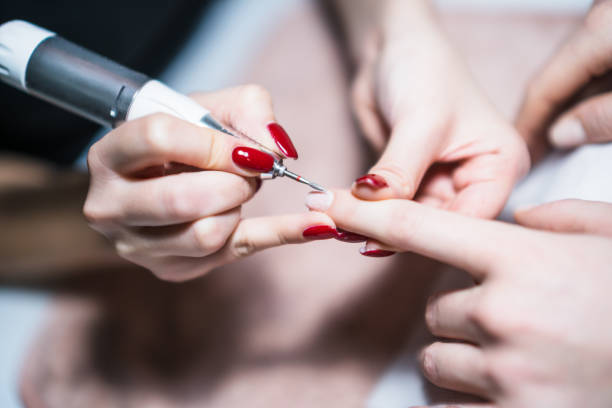
Choosing between nail drill bits and traditional nail files is one of the first decisions every nail technician and home user faces. Both tools shape, smooth, and refine nails, but they work differently, cost differently, and suit different situations. This side-by-side comparison breaks down the strengths and weaknesses of each option so you can make an informed choice based on your skill level, workload, and budget.
How Traditional Nail Files Work
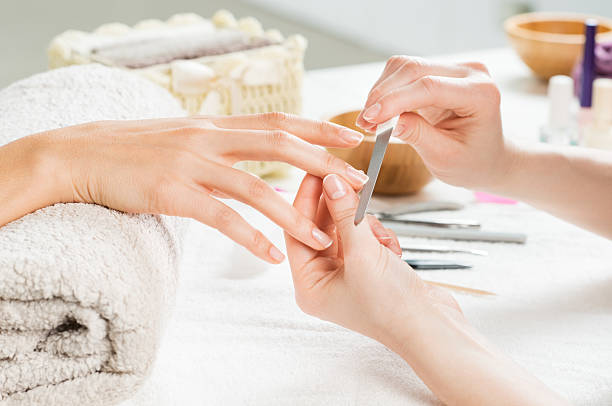
Traditional nail files are handheld strips or boards coated with an abrasive surface. They come in glass, metal, crystal, and emery board varieties. The user moves the file manually across the nail edge or surface to shape and smooth it. No electricity, no moving parts, no learning curve beyond basic filing direction.
Advantages of Traditional Nail Files
- Low cost and wide availability. Emery boards cost pennies and are sold everywhere from pharmacies to grocery stores. Even high-quality glass files are affordable compared to an electric drill setup.
- No learning curve. Anyone can pick up a nail file and start shaping. There is no risk of spinning the tool too fast, applying too much mechanical force, or accidentally damaging the nail bed.
- Gentle on natural nails. Because you control the speed and pressure entirely by hand, it is difficult to over-file or generate the kind of friction heat that electric drills can produce. This makes files a safer option for people who only maintain natural nails.
- Portable and silent. A nail file fits in a pocket or purse, needs no power source, and produces no noise. It works anywhere, from the salon chair to the couch at home.
- No maintenance required. Disposable emery boards are single-use. Glass and crystal files need only a rinse under water. There is nothing to calibrate, oil, or replace on a schedule.
Disadvantages of Traditional Nail Files
- Slow for heavy work. Shortening long nails, removing gel or acrylic overlays, or reshaping an entire set by hand takes significant time and physical effort. For busy salon professionals filing ten or more clients a day, this adds up fast.
- Limited precision. Hand filing produces slightly less consistent results than a machine-controlled tool. Achieving perfectly symmetrical shapes on all ten nails requires practice and a steady hand.
- Rough finish on some materials. Emery boards can leave micro-tears on the nail edge, especially when filing back and forth rather than in one direction. These tears can lead to peeling and splitting over time.
- Repetitive strain. The manual back-and-forth motion puts strain on the wrist and fingers. Technicians who rely solely on files often report fatigue-related discomfort after a full day of appointments.
How Nail Drill Bits Work
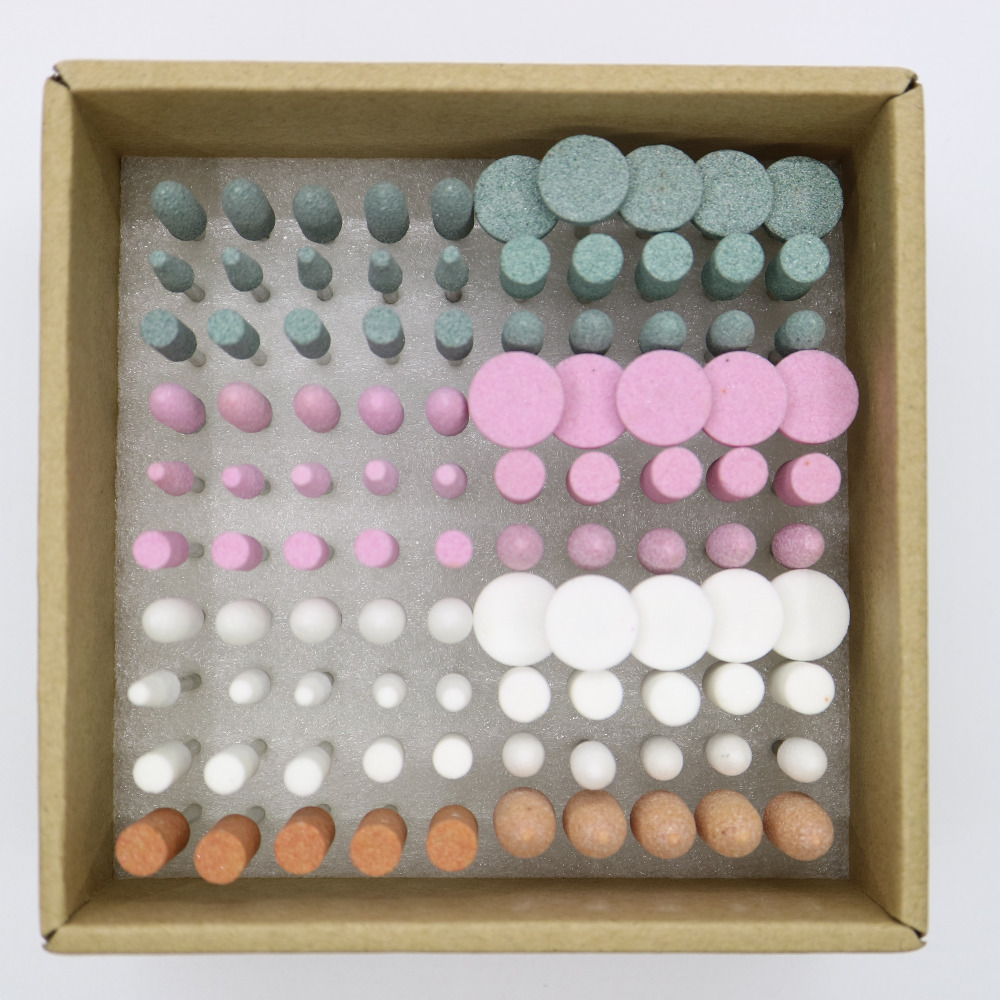
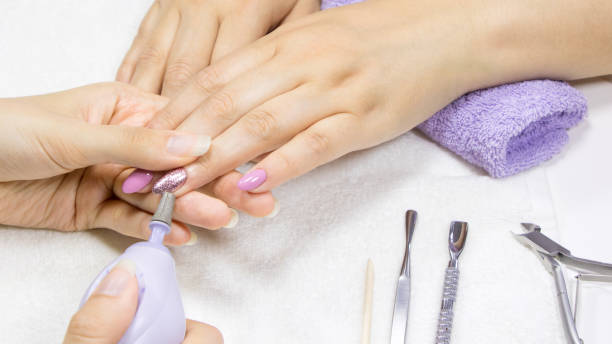
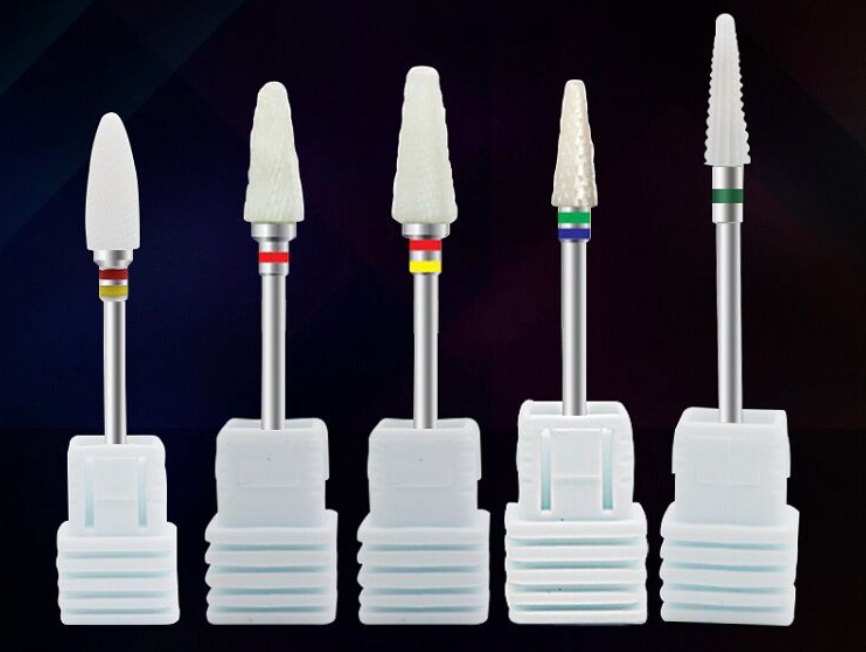
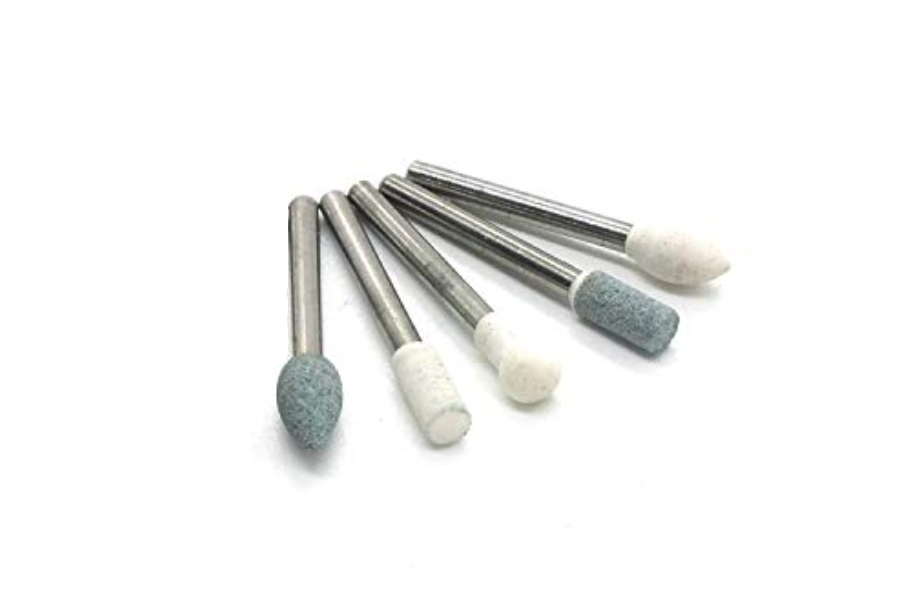
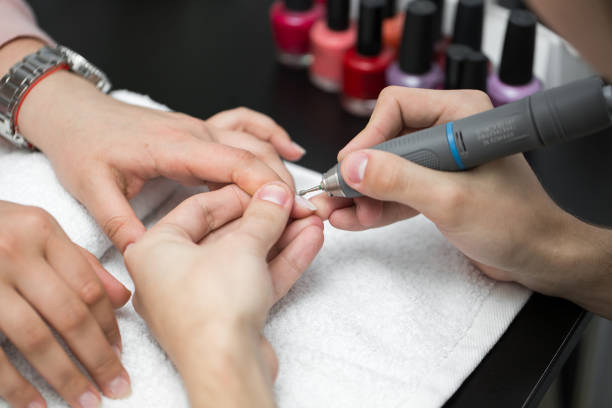
Nail drill bits attach to an electric handpiece that rotates the bit at controlled speeds, typically between 5,000 and 25,000 RPM. The bit does the cutting or grinding work while the technician guides its path across the nail. Different bit materials — carbide, diamond, and ceramic — handle different tasks ranging from bulk removal to fine surface finishing.
Advantages of Nail Drill Bits
- Speed and efficiency. An electric drill completes in seconds what a hand file takes minutes to achieve. Removing gel polish, shortening acrylic extensions, and reshaping nails happens much faster. For salon professionals handling a full appointment book, this time savings translates directly into higher earnings.
- Precision and consistency. The controlled rotation produces even, uniform surfaces. Achieving matching shapes across all nails is more straightforward because the tool does the repetitive work at a constant speed.
- Versatility. By swapping bits, a single drill handles every stage of a manicure: cuticle cleanup, surface prep, shaping, shortening, product removal, and final smoothing. One tool replaces an entire drawer of manual implements.
- Less physical strain. Because the motor drives the cutting action, the technician's hand guides rather than powers the tool. This reduces wrist fatigue and the risk of repetitive strain injuries over long working days.
- Professional finish quality. Fine-grit diamond and ceramic bits produce a smoother surface than most manual files, with fewer micro-tears and a more polished nail edge. This contributes to longer-lasting manicures and healthier nail growth.
Disadvantages of Nail Drill Bits
- Higher upfront cost. A quality electric nail drill costs between $50 and $200, plus ongoing costs for replacement bits. This is a significant investment compared to a pack of emery boards.
- Learning curve. Improper use causes real harm: friction burns, nail thinning, cuts to the cuticle area, and ring fire (a heat injury around the nail perimeter). Training and practice are non-negotiable before working on clients.
- Noise and dust. Electric drills generate noise that can be bothersome in a quiet salon environment. They also produce nail dust that requires either a dust collector or a mask to manage safely.
- Maintenance demands. Bits need regular cleaning, disinfection, and eventual replacement. The handpiece motor requires periodic servicing. Neglecting maintenance leads to inconsistent performance and hygiene issues.
Head-to-Head Comparison
| Factor | Traditional Nail Files | Nail Drill Bits |
|---|---|---|
| Cost | Very low ($1 to $15) | Moderate to high ($50 to $200+) |
| Speed | Slow, manual effort | Fast, motor-driven |
| Precision | Good with practice | Excellent and consistent |
| Safety risk | Very low | Moderate without training |
| Versatility | Shaping and smoothing only | Full range of nail tasks |
| Noise | Silent | Moderate hum |
| Portability | Highly portable | Requires power source |
| Physical strain | Higher over long sessions | Lower, motor does the work |
| Maintenance | None to minimal | Regular cleaning and replacement |
Which Tool Fits Your Situation?
The right choice depends on how you use your nails tools, how many clients you serve, and your comfort with powered equipment.
Choose Traditional Files If:
- You maintain your own natural nails at home
- You want a zero-risk, zero-learning-curve option
- Your budget is tight and you file nails occasionally
- You prefer a quiet, simple approach to nail care
Choose Nail Drill Bits If:
- You work as a nail technician and serve multiple clients daily
- You regularly apply and remove gel, acrylic, or dip powder products
- Speed and efficiency matter for your schedule and income
- You are willing to invest time in learning proper drill technique
Use Both Together
Many professionals and home users get the best results by combining both tools. A common workflow uses the electric drill for bulk work — removing old product, shortening length, and rough shaping — then switches to a hand file for final shaping and edge smoothing. This approach maximizes speed while keeping a gentle touch for the finishing steps.
Tips for Safe Use With Either Tool
Regardless of which tool you use, these practices protect the nail and surrounding skin:
- File in one direction. Whether using a hand file or a drill, moving back and forth weakens the nail layers and causes splitting. Pick a direction and maintain it.
- Start gently. With a file, use light strokes. With a drill, start at low RPM and increase gradually. Let the tool work without forcing it.
- Watch for heat. If the nail feels warm, stop and let it cool. Heat is the leading cause of nail damage from both over-filing and over-drilling.
- Match the grit to the task. Coarse grits remove material fast but leave rougher surfaces. Fine grits smooth and finish but take longer. Use them in sequence for the best results.
- Keep tools clean. Disinfect reusable files and drill bits between clients. Dispose of single-use emery boards after each session. Good hygiene prevents the spread of fungal and bacterial infections.
Choosing the Right Drill Bit Material
If you decide to invest in a nail drill, understanding bit materials helps you build a useful starter kit. Carbide bits with machined flutes are best for removing hard products like acrylics. Diamond-coated bits work well for natural nail shaping and gentle cuticle work. Ceramic bits run the coolest and suit beginners who want to minimize heat risk while learning.
For more detail on bit types, shapes, and how to maintain them, read our beginner's guide to nail drill bits. If you are interested in how drill bits compare across other industries, our diamond vs carbide burs article covers the same material science from a dental and industrial perspective.
Both traditional nail files and nail drill bits have a place in modern nail care. The best tool is the one that matches your skill level, your workload, and the results you want to achieve. Many professionals find that owning both gives them the flexibility to handle any nail service with confidence.