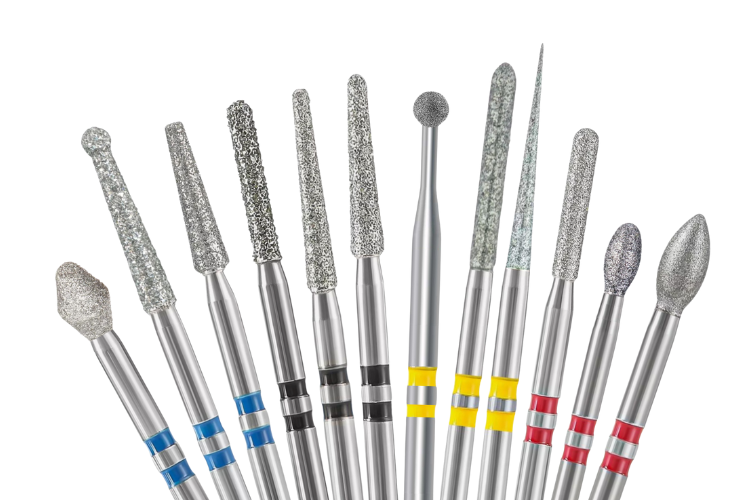
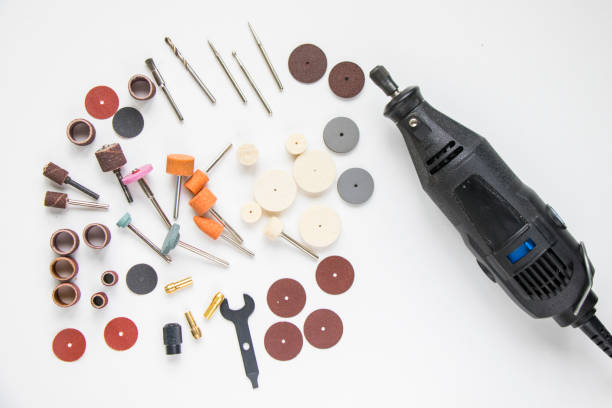
A Dremel rotary tool is a versatile handheld power tool used for grinding, cutting, sanding, polishing, and engraving across a wide range of materials including metal, wood, glass, jade, and plastics. Different accessories and burs can be attached to achieve different results, which makes the Dremel one of the most flexible tools in any workshop.
That versatility comes with responsibility. A spinning bit at 35,000 RPM can cause serious injury in a split second if safety precautions are ignored. The following seven tips will help you use your Dremel rotary tool safely and get the best results from every project.
1. Read the Operating and Safety Manual Before First Use
Before powering on a new Dremel rotary tool, read the entire operating and safety manual from cover to cover. This is not optional reading. The manual contains specific information about your model's capabilities, limitations, and recommended operating procedures that you will not find anywhere else.
Pay special attention to the speed settings chart. This section cross-references each type of accessory with the material you are working on and tells you exactly which speed setting to use. Running a cutting disc too fast on soft material, or a grinding stone too slow on hard material, leads to poor results and creates unnecessary safety risks.
Key Manual Sections to Review
- Maximum RPM ratings for each accessory type
- Recommended speed settings by material
- Collet size compatibility (1/8 inch vs 1/32 inch vs 3/32 inch)
- Warranty terms and what voids coverage
2. Always Wear Proper Safety Equipment
Personal protective equipment is mandatory every time you use a rotary tool, no matter how quick or simple the task seems. Flying debris, fine dust, and unexpected tool behavior can cause injury without warning.

Required PPE for Rotary Tool Work
| Equipment | Protects Against | Notes |
|---|---|---|
| Safety goggles | Flying chips, sparks, dust | Use wrap-around style for side protection |
| Work gloves | Cuts, abrasions, heat | Use snug-fitting gloves that will not catch |
| Dust mask or respirator | Fine dust, particulates | N95 minimum; P100 for extended sessions |
| Long pants | Debris and hot particles | Avoid loose-fitting clothing near the tool |
| Hearing protection | High-frequency noise | Recommended at speeds above 20,000 RPM |
Never skip PPE for short tasks. Most workshop injuries happen during quick jobs where the operator decided protection was not worth the trouble.
3. Use the Correct and Undamaged Accessories
Using the wrong accessory for a job is one of the most common causes of poor results and safety incidents with rotary tools. Each accessory is designed for specific materials and operations. A fiberglass-reinforced cutting disc is not meant for grinding, and a polishing wheel is not a substitute for a sanding drum.
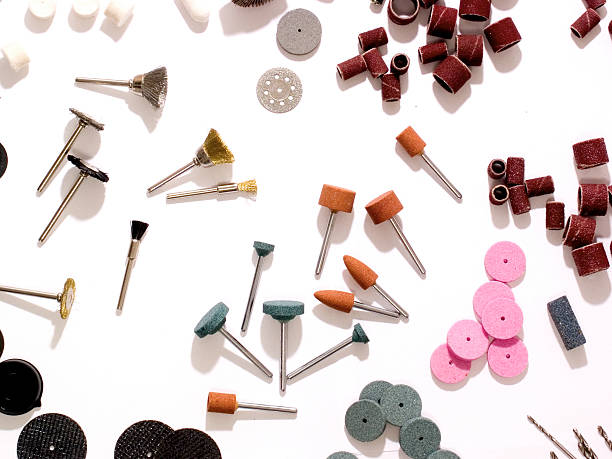
Pre-Use Accessory Inspection Checklist
- Check abrasive wheels for chips, cracks, or flat spots
- Inspect sanding drums for tears, excessive wear, or separation from the mandrel
- Examine cutting discs for warping or edge damage
- Verify that the shank is straight and not bent
- Confirm the accessory is rated for your tool's maximum RPM
Always power off and unplug the rotary tool before installing or removing any accessory. Never swap bits with the motor running, even if the tool has a shaft lock feature. For a deeper look at accessory types and their applications, see our guide on choosing the right mandrel for your rotary tool.
4. Never Apply Excessive Force
If the Dremel is not cutting, grinding, or sanding the way you expect, pushing harder is never the answer. Excessive force causes several problems at once: it can stall the motor, break the accessory, damage your workpiece, and send fragments flying toward you.
When results are unsatisfactory, stop and diagnose the real issue:
- Wrong accessory — Switch to one designed for your material
- Wrong speed — Adjust RPM according to the manual's chart
- Worn accessory — Replace the bit, disc, or drum
- Wrong technique — Let the tool do the work with light, steady contact
The Dremel should glide through material with moderate, consistent pressure. If you find yourself gripping tightly and leaning in, something is wrong with your setup.
5. Test Accessories on Scrap Material First
Before applying any accessory to your actual project, run a test on a piece of scrap material that matches what you are working with. This practice serves several purposes and takes very little time.
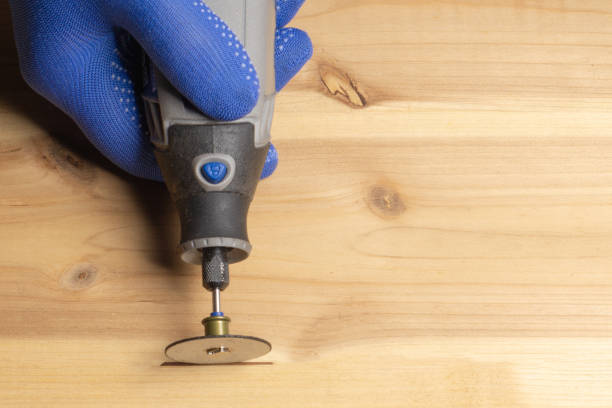
Benefits of Test Runs
- Confirms the accessory produces the desired surface finish
- Lets you dial in the right speed setting without risking your workpiece
- Reveals how aggressively the accessory removes material
- Gives you a chance to practice your grip and feed direction
- Identifies any vibration or wobble in the accessory before it matters
Keep a small collection of scrap wood, metal, and plastic pieces in your workshop specifically for testing. This simple habit prevents costly mistakes and builds your familiarity with new accessories.
6. Use the Right Grip for the Job
How you hold the Dremel directly affects your control and safety. There are two primary grips, and each one suits different types of work.
The Pencil Grip
Hold the Dremel near the nose like a large pencil, with your fingers wrapped around the body and your hand resting on the workpiece or work surface for stability. This grip provides the best precision for engraving, fine detail work, and light sanding. It works best at lower speeds where control matters more than power.
The Power Grip
Wrap your full hand around the body of the Dremel, similar to holding a flashlight or a golf club. This grip provides the strongest hold and is better suited for higher-speed operations like cutting, heavy grinding, and bulk material removal. You sacrifice some fine control, but gain stability against torque and kickback.
Match your grip to the task. Switching grips mid-project as you move from roughing to detail work is normal and recommended. For operations that require both hands, use a Dremel workstation or vise to secure the tool and bring the workpiece to it instead.
7. Clean Your Dremel After Every Use
Regular cleaning extends the life of your Dremel and helps you catch wear or damage early. A rotary tool that is well-maintained runs smoother, generates less vibration, and lasts for years of regular use.
Post-Use Cleaning Steps
- Power off the tool and unplug it from the power source
- Remove the accessory and return it to its storage case
- Wipe down the entire tool body with a clean, dry cloth
- Use compressed air to blow dust out of the ventilation slots
- Inspect the collet and shaft lock for debris buildup
- Check the power cord for any cuts, fraying, or exposed wire
Dust and debris that accumulate inside the motor housing restrict airflow and cause the tool to overheat. Cleaning the air vents with compressed air after each session prevents this buildup and reduces the risk of electrical failure over time.
Store your Dremel in its case or on a shelf in a dry location. Humidity and temperature swings can damage the motor windings and corrode internal components. For tips on maintaining your rotary tool carbide burs and other accessories, keep them organized and dry as well.
Summary of Dremel Safety Practices
Safe rotary tool use comes down to preparation and discipline. Read the manual before your first session. Wear proper PPE every single time. Use the correct, undamaged accessory for each material and task. Let the tool do the work without excessive force. Test on scrap before working on your project. Match your grip to the operation. And clean the tool after every use.
These seven habits take minutes to implement and can prevent injuries that could sideline you from the workshop permanently. Build them into your routine from day one, and they will become second nature. For related safety and technique advice, check out our article on the complete guide to die grinders.