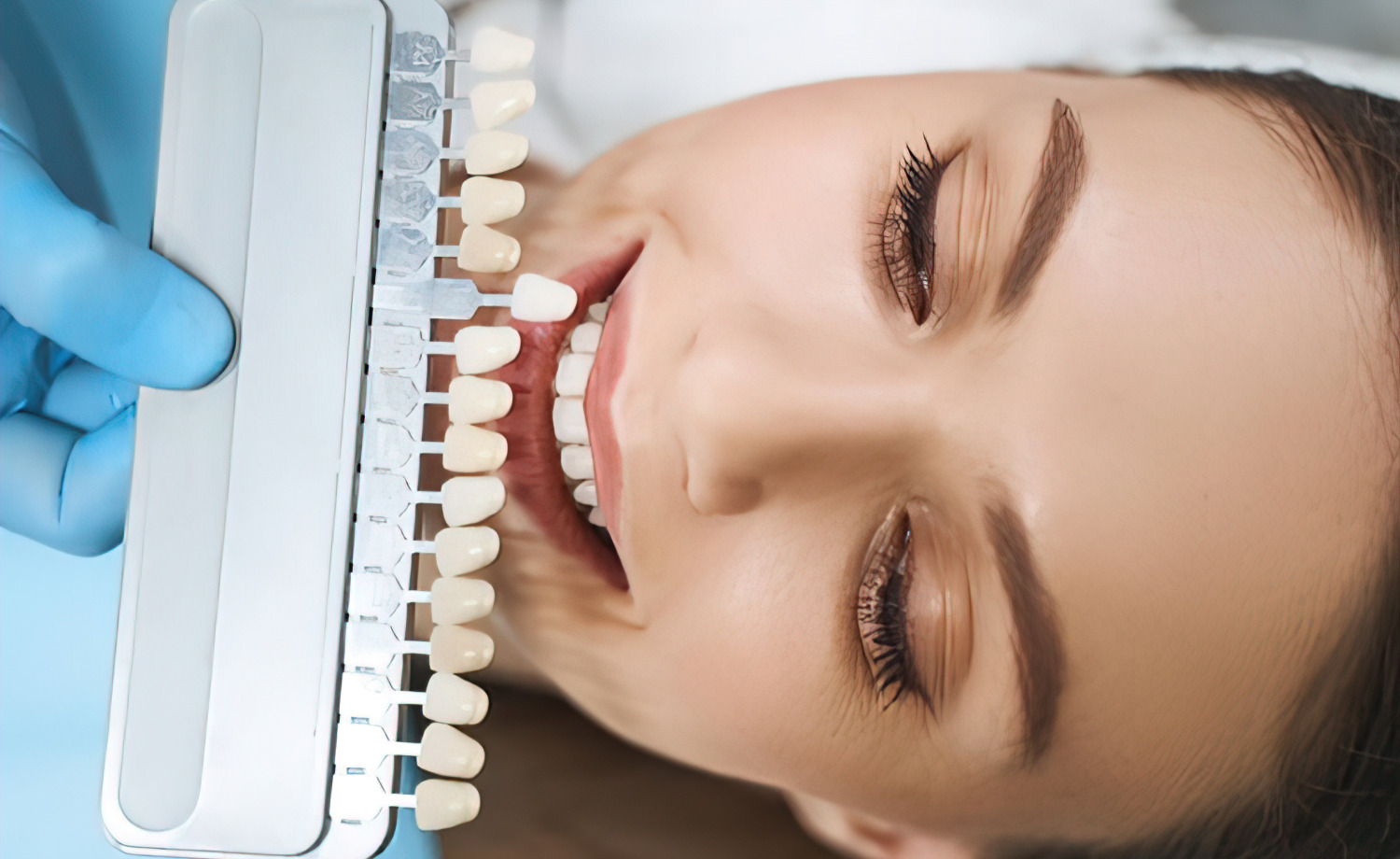
Dental Veneers: Types, Procedure, Cost and Care Guide
A confident smile can change the way you interact with the world. For patients with chipped, stained, uneven or slightly misaligned teeth, dental veneers offer a proven cosmetic solution that looks natural and lasts for years. Whether you are considering veneers for the first time or comparing your options before a consultation, this guide walks you through every stage of the process.
What Are Dental Veneers?
Dental veneers are thin, custom-made shells designed to cover the front surface of teeth. They are bonded permanently to the tooth structure to improve colour, shape, size or alignment. Veneers are one of the most requested treatments in cosmetic dentistry because the results are immediate and dramatic.
A single veneer can correct a broken or discoloured tooth, while a full set of six to eight upper veneers can transform an entire smile line. The shells are typically 0.3 to 0.7 mm thick, roughly the same as a contact lens, so they add minimal bulk to the tooth.
Types of Dental Veneers
There are three main categories of dental veneers, each with distinct properties. The table below summarises the key differences.
| Feature | Porcelain Veneers | Ceramic Veneers | Composite Veneers |
|---|---|---|---|
| Material | Feldspathic porcelain or pressed ceramic | Lithium disilicate or leucite-reinforced glass | Resin-based composite |
| Typical lifespan | 10 - 20 years | 10 - 15 years | 5 - 7 years |
| Appointments needed | 2 - 3 | 2 - 3 | 1 (direct placement) |
| Stain resistance | High | High | Moderate |
| Cost per tooth (approx.) | $925 - $2,500 | $800 - $2,000 | $250 - $600 |
Porcelain Veneers
Porcelain veneers are the gold standard for patients who want the most lifelike appearance. The translucent quality of porcelain mimics natural enamel, reflecting light in a way that resin materials cannot replicate. These veneers are fabricated in a dental laboratory from an impression of your prepared teeth, which means they require at least two appointments.
Porcelain also resists staining from coffee, tea and red wine far better than composite alternatives. For patients seeking long-term results with minimal maintenance, porcelain is usually the best choice.
Ceramic Veneers
Ceramic veneers, often made from lithium disilicate (e.g., IPS e.max), combine aesthetics with superior strength. They are especially well suited for patients who grind their teeth mildly or need veneers on lower anterior teeth that take more biting force. Like porcelain, they are fabricated in a lab and bonded using light-cured resin cement.
Composite Veneers
Composite veneers are the most budget-friendly option. A dentist sculpts the resin directly onto the tooth surface in a single visit, which means no lab fees and no waiting period. The trade-off is a shorter lifespan and a higher tendency to pick up stains over time. Composite veneers are a good entry point for younger patients or anyone who wants to test the look of veneers before committing to porcelain.
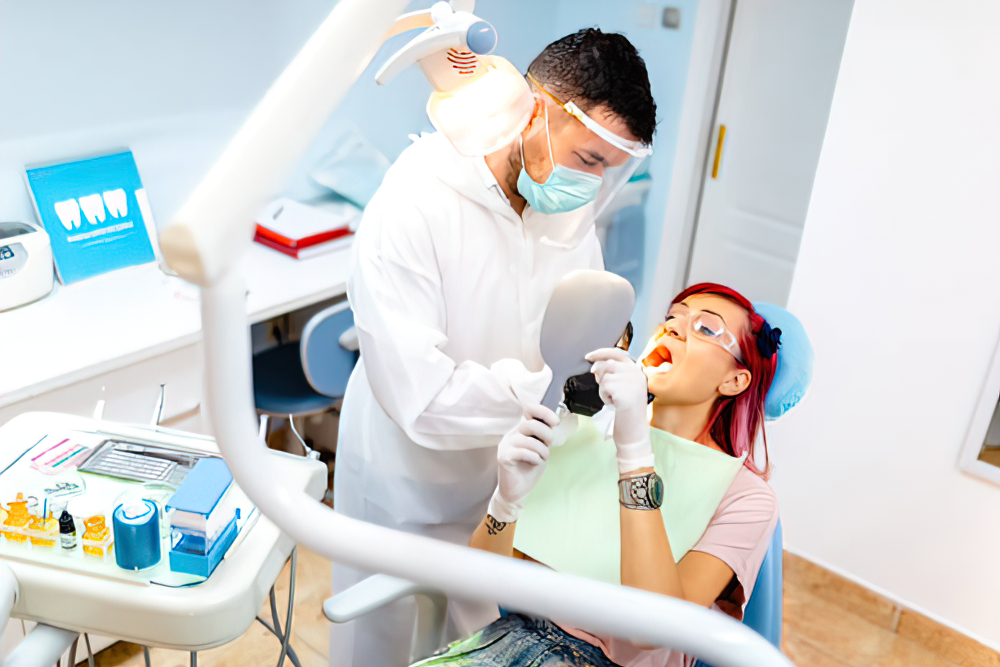
The Dental Veneer Procedure Step by Step
Understanding each stage of veneer placement helps reduce anxiety and set realistic expectations. The procedure is split into two main phases.
Phase 1: Diagnosis and Preparation
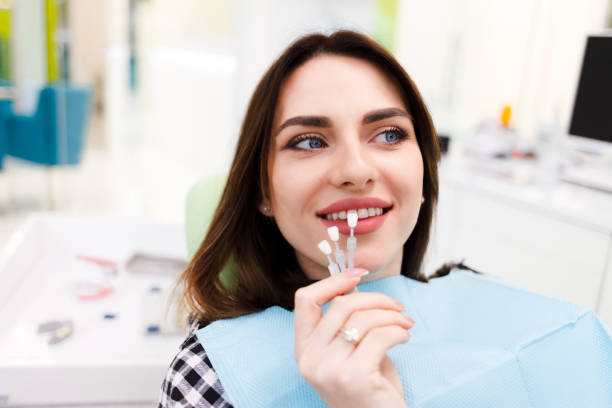
- Initial consultation. Your dentist examines your teeth, gums and bone structure. X-rays or digital scans may be taken. Together you decide on the number of veneers, the material and the desired shade.
- Tooth preparation. The dentist removes a thin layer of enamel, usually 0.3 to 0.7 mm, from the front surface of each tooth. This makes room for the veneer so it sits flush with the surrounding teeth.
- Impression taking. A physical or digital impression captures the exact shape of the prepared teeth. The impression along with shade notes are sent to the dental laboratory.
- Temporary veneers. Because lab fabrication takes two to four weeks, many dentists place temporary acrylic veneers to protect the prepared teeth and maintain appearance in the meantime.
Phase 2: Bonding and Finishing
- Try-in. The dentist places the veneers on your teeth without cement to check fit, shape and colour. Minor adjustments are made at this stage.
- Cleaning and etching. Each tooth is thoroughly cleaned, then etched with a mild acid gel to create micro-roughness that improves bond strength.
- Cement application. A thin layer of light-cured resin cement is applied to the veneer, which is then positioned on the tooth.
- Light curing. A special curing light activates the cement, hardening it in approximately 60 seconds per tooth.
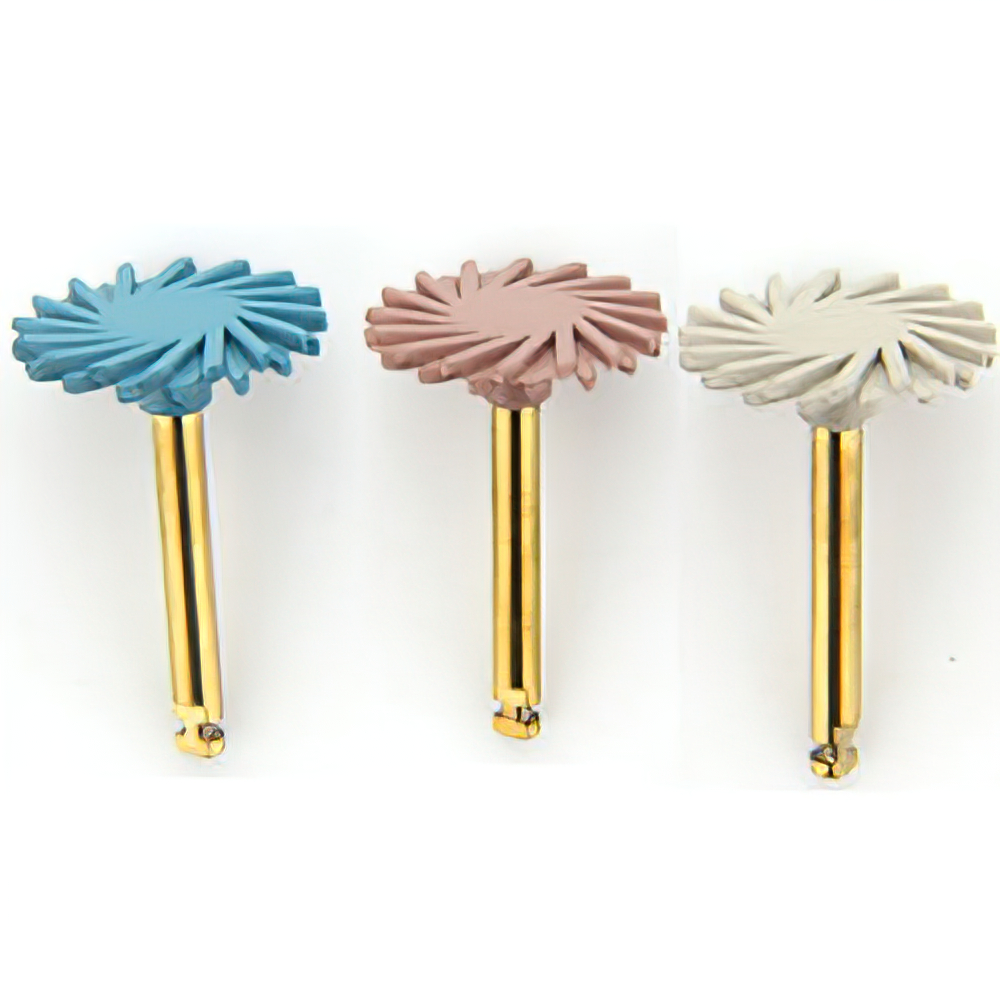
- Final polish. Excess cement is removed, the bite is checked and the veneers are polished to a smooth finish. A diamond rubber polisher works well here because it handles porcelain, lithium disilicate and composite surfaces without scratching.
Who Is a Good Candidate for Veneers?
Veneers work best for patients who have:
- Healthy gums with no signs of periodontal disease
- Adequate enamel for bonding (severely worn teeth may need crowns instead)
- Teeth that are discoloured, chipped, slightly crooked or uneven in size
- Gaps between front teeth that they want to close
- Realistic expectations about outcomes and maintenance
Patients who clench or grind heavily may need a night guard to protect their veneers, or they may be better candidates for ceramic options that resist fracture more effectively.
Veneer Longevity: How Long Do They Last?
With proper care, porcelain and ceramic veneers typically last 10 to 20 years before replacement is needed. Composite veneers generally last five to seven years. Several factors influence how long your veneers will serve you:
- Oral hygiene. Brushing twice daily and flossing once daily prevents decay at the veneer margins.
- Diet. Avoiding hard foods like ice, hard candy and popcorn kernels reduces the risk of chipping.
- Habits. Using teeth as tools to open packages or biting nails can crack veneers.
- Regular dental visits. Checkups every six months let your dentist spot early signs of debonding or marginal staining.
It is important to understand that veneers are not reversible. Because enamel is removed during preparation, you will always need some form of restoration on those teeth going forward.
Aftercare Tips for Dental Veneers
The first 48 hours after bonding are the most important. During this period:
- Stick to soft foods and avoid biting directly into hard items with your front teeth
- Avoid very hot or cold drinks, as sensitivity is common in the first few days
- Do not use whitening toothpaste on veneers because the abrasive particles can dull the surface
In the long term, treat your veneers like natural teeth. Use a non-abrasive fluoride toothpaste, a soft-bristle brush and a gentle flossing technique. If you play contact sports, always wear a mouthguard.
Veneers vs Other Cosmetic Options
Patients sometimes wonder whether veneers are the right choice compared to other treatments. Here is a quick comparison:
| Treatment | Best For | Tooth Reduction Needed |
|---|---|---|
| Veneers | Shape, colour and minor alignment corrections | Minimal (0.3 - 0.7 mm) |
| Dental bonding | Small chips or gaps on a budget | None to minimal |
| Crowns | Heavily damaged or weakened teeth | Significant (1.5 - 2 mm all around) |
| Teeth whitening | Discolouration only | None |
If your primary concern is discolouration and your teeth are structurally sound, professional whitening may be a simpler first step. But when shape, size or alignment also need correction, veneers deliver results that whitening alone cannot achieve.
Common Questions About Dental Veneers
Do veneers feel like natural teeth?
After the initial adjustment period of one to two weeks, most patients report that veneers feel identical to their natural teeth. The thin profile and custom fit mean there is very little difference in sensation.
Can veneers stain?
Porcelain and ceramic veneers are highly stain-resistant. Composite veneers can pick up stains over time, especially from coffee, red wine and tobacco. Regular polishing during dental visits helps keep composite veneers looking fresh.
Is the procedure painful?
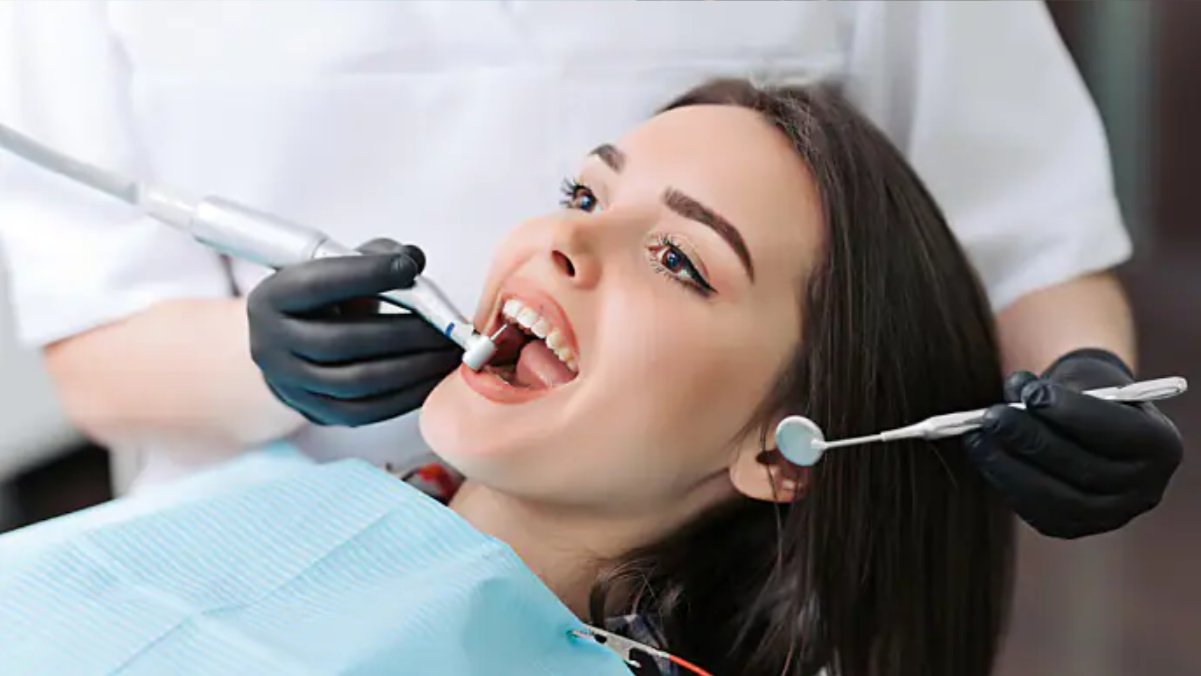
Local anaesthesia is used during tooth preparation, so the process is comfortable. Some patients experience mild sensitivity for a few days after placement, which typically resolves on its own.
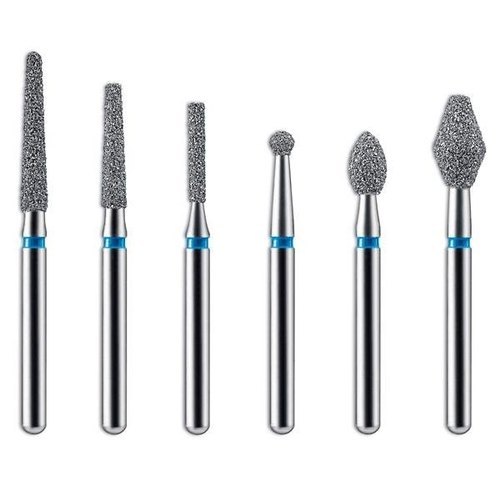
For more detail on the preparation instruments used during veneer work, read our guide on the importance of porcelain veneer preparation. If you are also exploring polishing options for your practice, our article on prophy polishers for dental hygiene covers the tools that keep restorations looking their best.
Final Thoughts
Dental veneers remain one of the most effective ways to transform a smile quickly and predictably. By choosing the right material, working with an experienced dentist and following a consistent aftercare routine, you can enjoy a natural-looking result that lasts well over a decade. If you are considering veneers, the best next step is to book a consultation so your dentist can assess your teeth and recommend the option that fits your goals and budget.