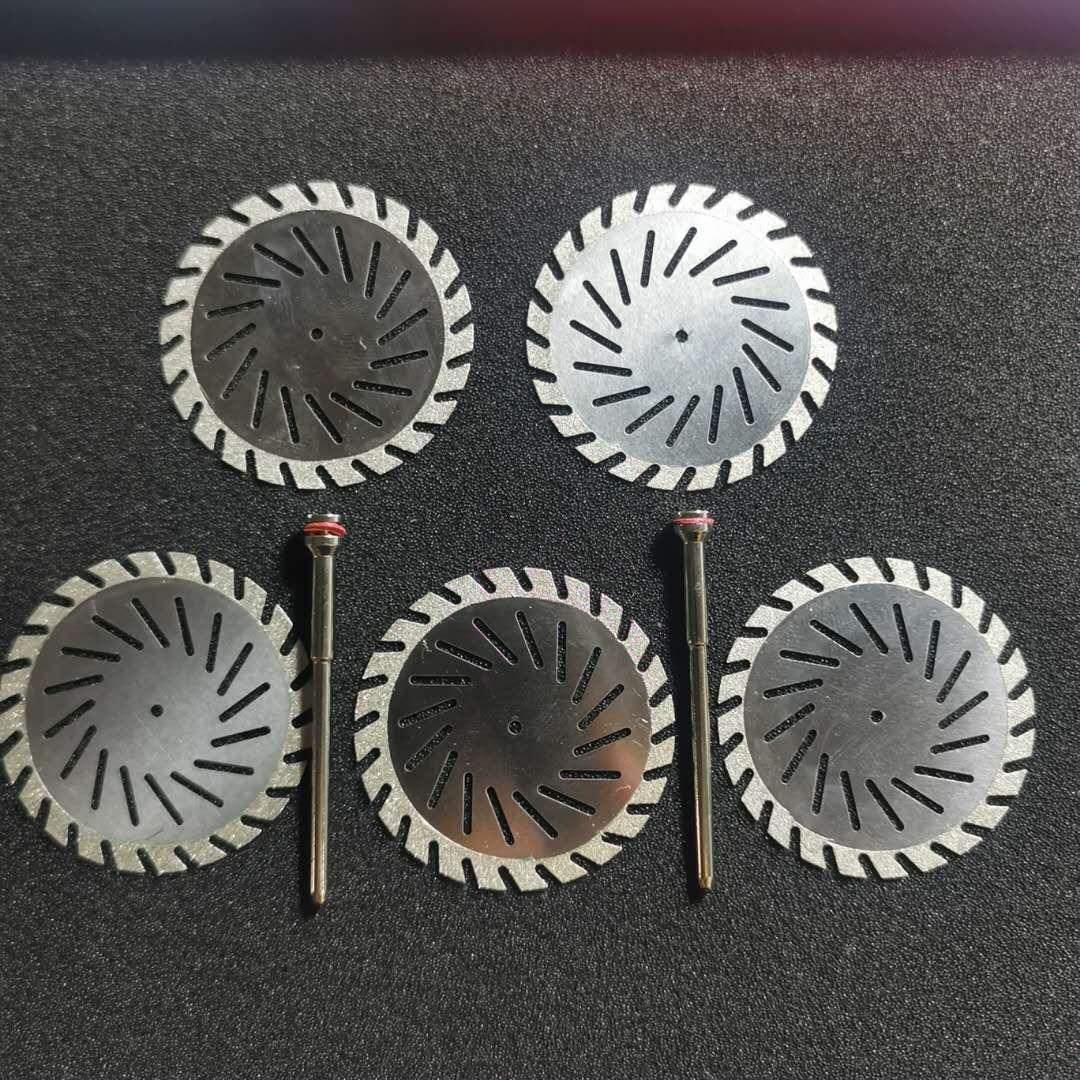
Diamond dental discs rank among the most versatile rotary instruments in modern dentistry. Whether you are trimming interproximal restorations, contouring zirconia crowns, or sectioning failed prosthetics for removal, understanding how to select and use these thin cutting tools can improve clinical outcomes and protect patient safety.
What Is a Diamond Dental Disc?
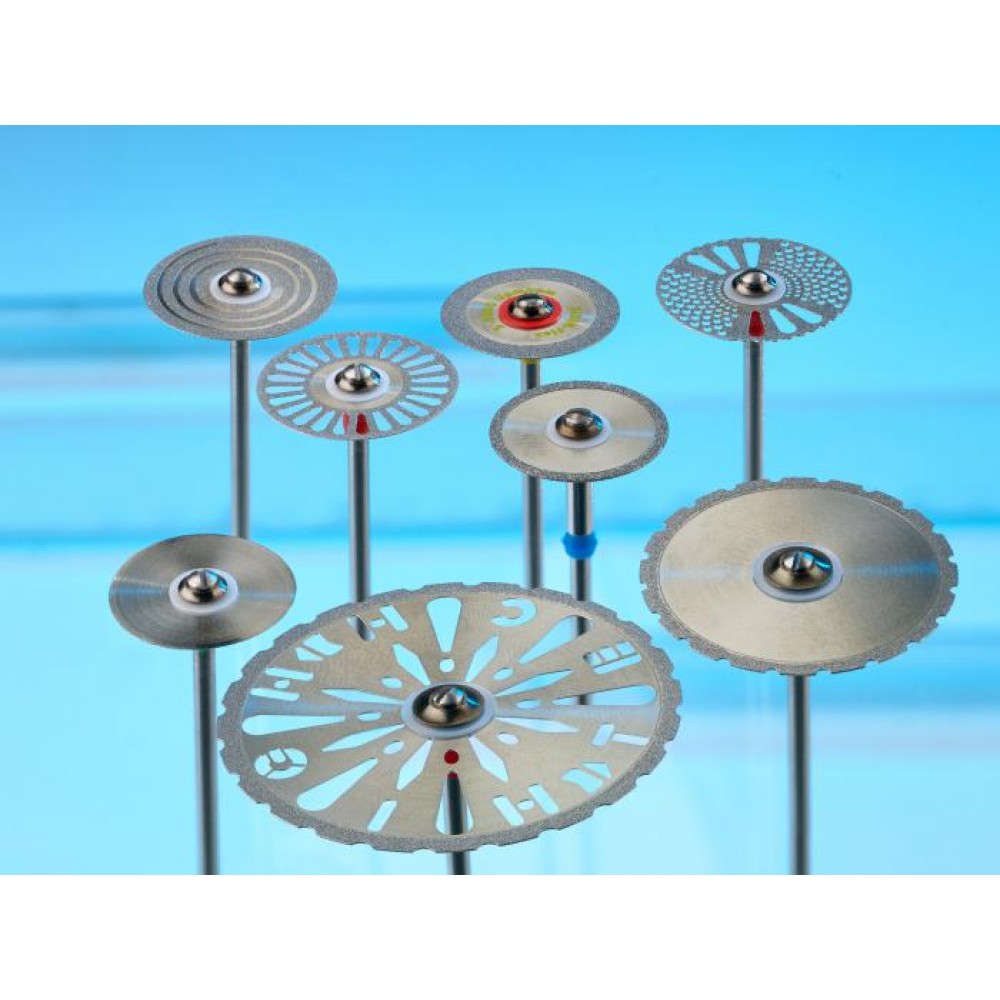
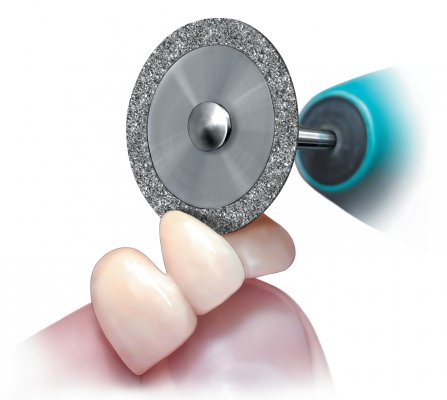
A diamond dental disc is a thin, circular rotary instrument built on a stainless-steel core coated with industrial diamond particles on one or both working surfaces. It fits standard dental handpiece mandrels and rotates at high speed to abrade, section, and contour a wide range of restorative materials. The disc's thinness allows precise access to interproximal areas that bulkier instruments cannot reach, while its diamond coating delivers the cutting power needed for hard ceramics such as zirconia and lithium disilicate.
Diamond discs are used in both chairside clinical work and laboratory bench procedures. They bridge the gap between aggressive cutting instruments and delicate finishing tools, making them indispensable in practices that handle ceramic, composite, and metal restorations on a daily basis.
Types of Diamond Discs
Classification by Coated Side
The first distinction to make when choosing a diamond disc is whether you need a single-sided or double-sided version:
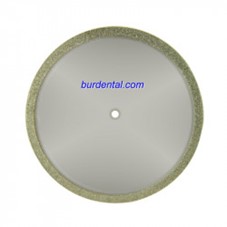
- Double-sided discs – Diamond grit is bonded to both faces. These are well suited for rapid bulk trimming of models, dies, and prosthetic frameworks where adjacent soft tissue or tooth structure is not at risk.
- Single-sided discs – Only one face carries diamond particles; the opposite face is smooth stainless steel. This design protects adjacent teeth, soft tissue, or restorations during interproximal reduction and margin finishing. Single-sided discs are the safer choice for most intraoral procedures.
Classification by Grit Size
Like diamond burs, diamond discs are manufactured in multiple grit grades. The grit determines both the aggressiveness of the cut and the surface finish left behind:
| Grit Grade | Particle Size | Best For |
|---|---|---|
| Medium | 100–150 µm | Initial shaping, bulk material removal |
| Fine | 50–80 µm | Contouring and smoothing restoration surfaces |
| Extra Fine | 25–40 µm | Final polishing and marginal refinement |
A common clinical workflow is to begin with a medium-grit disc for gross reduction, switch to fine for contouring, and finish with extra fine for a smooth, polished margin. This sequential approach mirrors the multi-step technique used with diamond burs and produces superior surface quality.
Clinical Applications
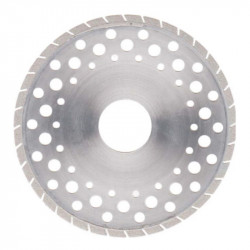
Diamond discs serve several important roles in both chairside and laboratory workflows:
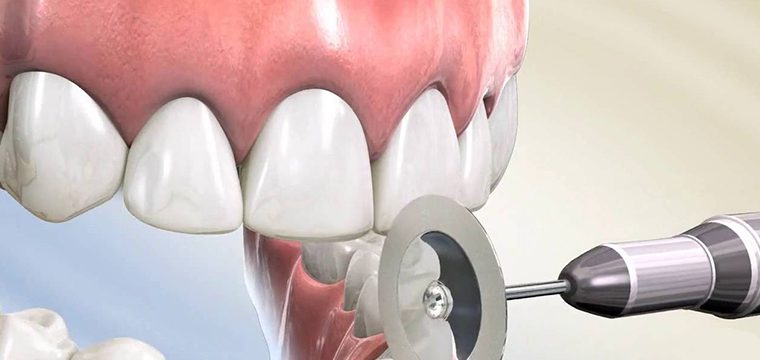
- Interproximal reduction (IPR) – Removing controlled amounts of enamel or composite between teeth for orthodontic space management or restorative adjustments. Single-sided discs are preferred here to protect the adjacent tooth.
- Trimming restorations – Adjusting the margins, contacts, and occlusal anatomy of crowns, bridges, and inlays fabricated from porcelain, zirconia, or lithium disilicate.
- Sectioning prosthetics – Cutting through failed crowns, bridges, or post-and-core assemblies for removal without damaging the underlying tooth structure or implant abutment.
- Contouring composite – Refining the proximal anatomy of direct composite restorations before final polishing with silicone rubber polishers.
- Laboratory trimming – Adjusting dies, stone models, and prosthetic metal frameworks where a clean, controlled cut is needed.
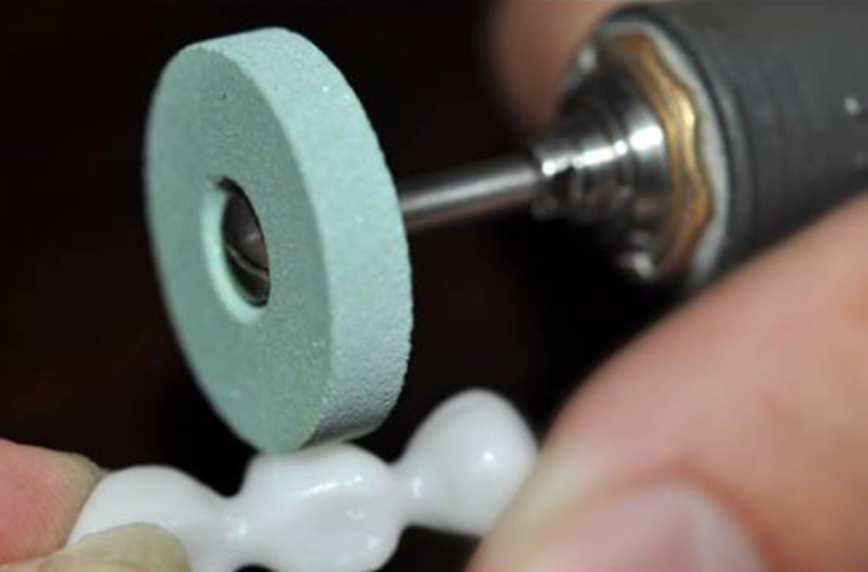
Diamond Discs vs Other Dental Discs
Choosing the right disc type for each task prevents wasted time and suboptimal results. For a more thorough comparison, read our article on diamond discs vs steel discs vs stone discs.
| Feature | Diamond Disc | Stainless Steel Disc | Stone Disc |
|---|---|---|---|
| Cutting Power | High | Medium | Medium-Low |
| Precision | Excellent | Good | Moderate |
| Flexibility | Semi-rigid | Flexible | Rigid |
| Material Range | Ceramics, composites, metals | Acrylics, soft metals | Acrylics, plaster |
| Reusability | Multiple uses | Often single-use | Limited |
How Long Does a Diamond Disc Last?
Disc longevity depends on the quality of the diamond coating, the hardness of the material being cut, operating speed, applied pressure, and whether water coolant is used. A well-manufactured disc operated under optimal conditions with continuous water spray can last through dozens of clinical procedures before the diamond layer wears thin.
Dry cutting, heavy lateral pressure, or using the disc on materials harder than its intended range will shorten service life dramatically. To maximize disc life, follow the same care principles that apply to extending diamond bur lifespan: clean after every use, store discs individually to prevent surface scratching, and retire any disc once the diamond coating shows visible wear or the cutting performance drops noticeably.
Safe Handpiece Operation
Diamond discs demand careful attention to speed settings and technique to prevent patient injury and instrument failure.
RPM Guidelines
Every diamond disc has a maximum RPM rating printed on its packaging. Running above this limit risks disc fracture, which can send fragments toward the patient or operator. Excessive speed also generates heat that may cause pulpal damage, soft-tissue burns, or tissue necrosis. Always verify the RPM range before mounting a new disc and adjust your handpiece speed accordingly.
Insertion and Mounting
Never force a disc onto the mandrel or into the handpiece chuck. If insertion feels tight, inspect both the mandrel shank and the handpiece collet for debris, corrosion, or dimensional wear. A mandrel that wobbles or seats loosely causes vibration, uneven cutting, and premature diamond particle loss. Refer to the handpiece manufacturer's instructions if you encounter persistent fit issues.
Pressure and Technique
Apply light, intermittent pressure and let the diamond coating perform the work. Excessive force bends the disc, generates unwanted heat, and strips diamond particles from the bonding matrix. Use a gentle brushing motion rather than sustained static contact, and always employ water coolant when cutting intraorally. Intermittent contact also gives the tooth time to dissipate heat between cutting passes.
Cleaning and Sterilization
Proper cleaning between patients is essential for both infection control and disc performance. After each use, rinse the disc under running water to remove gross debris, then scrub gently with a soft brass brush or ultrasonic cleaner to dislodge material packed between diamond particles. Avoid steel-bristle brushes, which can damage the diamond coating.
Once clean, the disc must be sterilized according to your local regulations. Most diamond discs tolerate standard steam autoclaving at 134 degrees Celsius. However, always check the manufacturer's sterilization instructions, as some bonding agents degrade at higher temperatures or under prolonged cycles. Proper cleaning also restores cutting efficiency by exposing fresh diamond particles that were previously clogged with debris.
Common Mistakes to Avoid
Even experienced practitioners occasionally fall into habits that shorten disc life or compromise results. Watch out for these pitfalls:
- Dry cutting intraorally – Without water coolant, friction heat spikes rapidly and can injure the pulp or surrounding tissue.
- Using one grit for everything – Skipping the grit progression leaves rough margins that require additional chairside polishing time.
- Storing discs loose in a drawer – Unprotected discs scratch against each other and other instruments, dulling the diamond surface before it ever reaches a patient.
- Ignoring mandrel wear – A worn or bent mandrel causes wobble that leads to uneven cuts and increased risk of disc fracture.
Selecting the Right Diamond Disc
Consider these factors when placing your next order:
- Diameter – Smaller discs (10–14 mm) provide better intraoral access; larger discs (19–22 mm) are more efficient for laboratory bench work.
- Coated side – Choose single-sided for any procedure near soft tissue or adjacent tooth structure.
- Grit progression – Stock medium, fine, and extra fine so you can follow a multi-step finishing sequence.
- Mandrel compatibility – Verify the disc bore matches your mandrel diameter and handpiece type (HP or RA shank).
- Disc flexibility – Rigid discs cut straighter lines; semi-flexible discs conform better to curved or contoured surfaces.
Browse our full range of diamond dental burs and cutting accessories to find the right instruments for your clinic or laboratory.