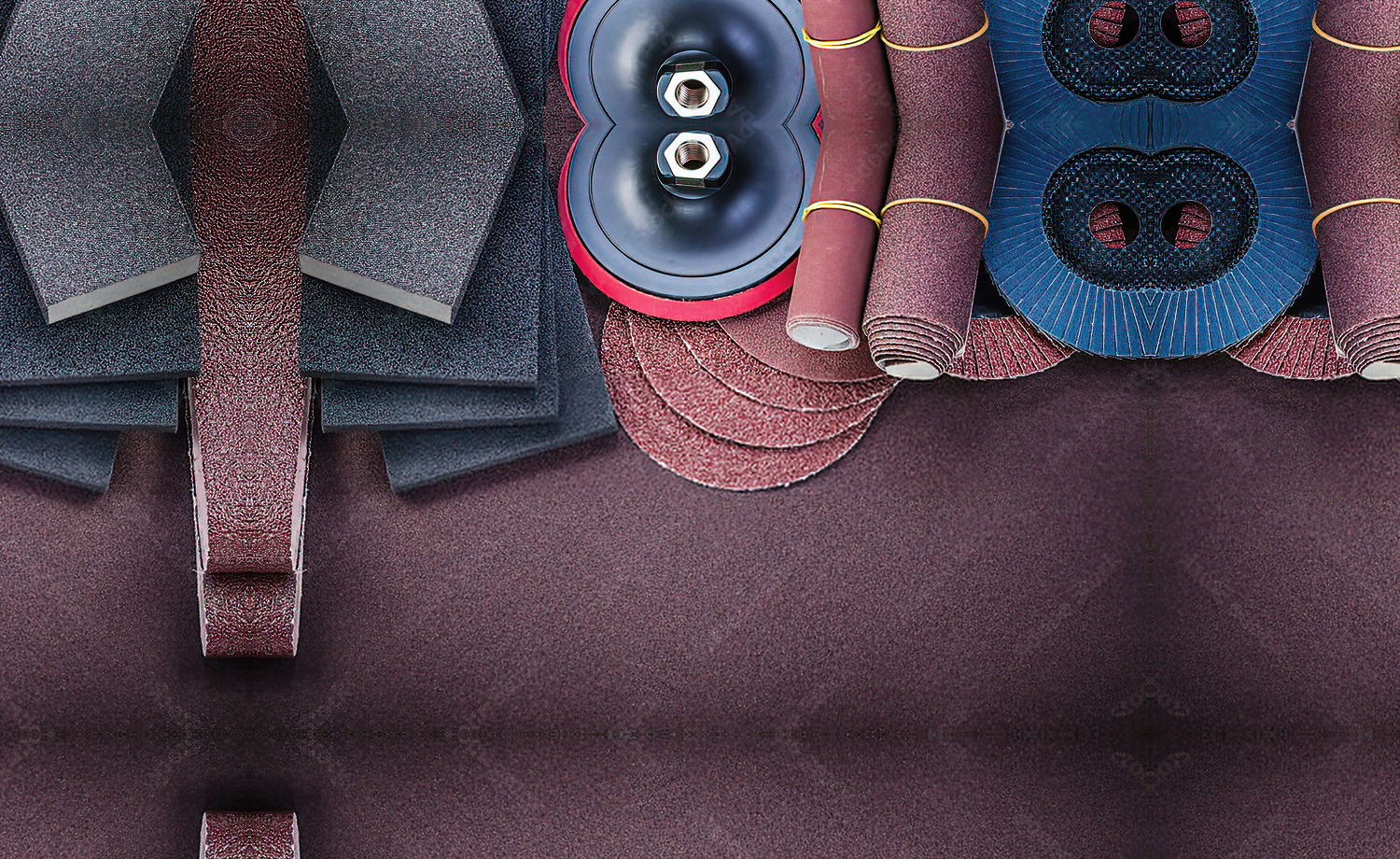
When shopping for abrasive sandpaper with a mandrel, the sheer number of grit sizes, materials, and configurations can be overwhelming. Selecting the wrong sandpaper wastes time and delivers poor results, whether you are smoothing wood, polishing metal, or finishing dental restorations.
This guide breaks down the key factors — abrasive materials, grit categories, and practical applications — so you can pick the right sandpaper mandrel combination on the first try.
What Is Abrasive Sandpaper with a Mandrel?
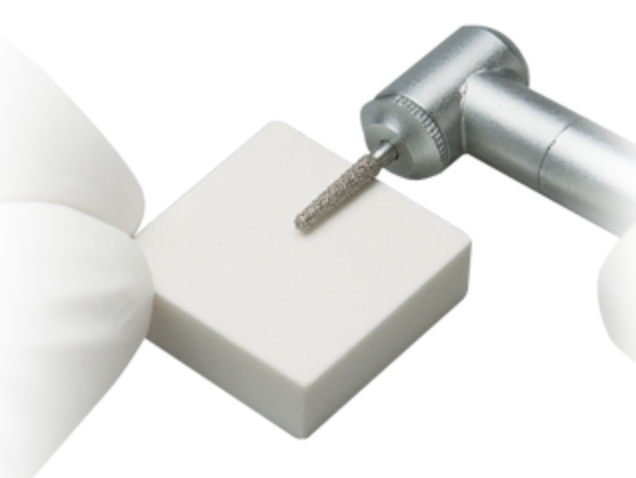
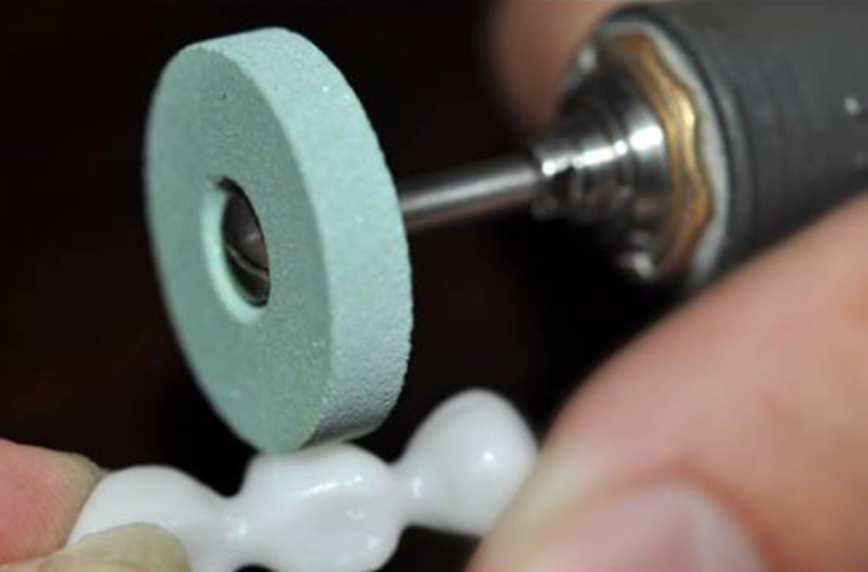
A sandpaper mandrel is a small shaft or spindle that holds a sanding disc in a rotary tool, handpiece, or drill. The mandrel spins the abrasive disc at high speed, allowing precise material removal and surface finishing. Mandrels come in several shank types and locking mechanisms. If you are unfamiliar with how mandrels work or which shank fits your handpiece, read our detailed guide on mandrels and different mandrel types and their uses.
Pairing the correct mandrel with the right sandpaper disc is the first step toward efficient, high-quality sanding.
Types of Abrasive Materials Used on Sandpaper
Sandpaper looks similar across brands, but the abrasive mineral bonded to the backing determines its cutting behavior, durability, and ideal use case. There are two broad categories: natural abrasives and synthetic (man-made) abrasives.
Natural Abrasives
- Garnet: A reddish-brown mineral that produces a smooth finish on bare wood. Garnet particles fracture during use, which keeps the cutting edges relatively fresh. Best suited for hand-sanding and light finishing work.
- Emery: A mixture of corundum and iron oxides. Emery is typically used for polishing metal surfaces and is often found on cloth-backed rolls rather than paper-backed sheets.
Synthetic Abrasives
Man-made abrasives are engineered for specific performance characteristics. They are harder, more uniform, and more durable than natural minerals.
- Aluminum Oxide: The most widely used all-purpose abrasive. Aluminum oxide is a sharp, blocky mineral that fragments under the heat and pressure of sanding — a property called friability. Each fracture exposes a fresh cutting edge, which extends the life of the disc and keeps it cutting efficiently. It works well on wood, metal, and painted surfaces.
- Silicon Carbide: Harder and sharper than aluminum oxide, silicon carbide excels on hard materials like glass, stone, ceramic, and non-ferrous metals. It is also the abrasive of choice for wet sanding between coats of finish.
- Ceramic Alumina: One of the most aggressive synthetic abrasives available. Ceramic grains self-sharpen as they wear, maintaining a consistent cut rate over a long lifespan. Ceramic sandpaper is ideal for heavy stock removal on hardwood and metal.
- Zirconia Alumina: A resin-bonded abrasive that handles high temperatures and pressures well. Zirconia is more durable than standard aluminum oxide and is commonly used for aggressive grinding and shaping of metals and hardwoods. Zirconia sanding belts rarely exceed 220 grit and are less expensive than ceramic alternatives.
Comparison of Abrasive Materials
| Abrasive Type | Hardness | Durability | Best For |
|---|---|---|---|
| Garnet | Low | Low | Hand-sanding bare wood |
| Emery | Medium | Medium | Polishing metal |
| Aluminum Oxide | Medium-High | High | General purpose wood and metal |
| Silicon Carbide | High | Medium | Glass, stone, wet sanding |
| Ceramic Alumina | Very High | Very High | Heavy stock removal |
| Zirconia Alumina | High | High | Aggressive metal grinding |
Understanding Sandpaper Grit Sizes
Grit size refers to the number of abrasive particles per square inch of sandpaper. A lower number means larger, coarser particles that remove material quickly but leave visible scratches. A higher number means finer particles that remove less material but produce a smoother surface.
Common grit numbers include 80, 240, 400, 600, 800, 1000, 1500, 2000, 2500, 3000, and 5000.
Grit Categories at a Glance
| Category | Grit Range | Typical Use |
|---|---|---|
| Coarse | 40–80 | Rapid stock removal, shaping, stripping paint |
| Medium | 100–150 | Initial sanding of raw wood, removing old varnish |
| Fine | 180–220 | Smoothing scratch marks, sanding between paint coats |
| Very Fine | 240–320 | Light sanding between finish coats |
| Extra Fine | 400–600 | Sanding metal, preparing surfaces for polish |
| Super Fine | 800–1500 | Polishing hardwood, amber, jewelry |
| Ultra Fine | 2000–5000+ | Final polish, nano-finish on premium items |
Detailed Grit Application Guide
Matching the right grit to your task prevents unnecessary rework and protects delicate surfaces. Here is a more detailed breakdown:
40–80 Grit (Coarse)
Use coarse sandpaper for rough shaping and fast material removal. It is appropriate for trimming a stuck door with a belt sander, stripping old finish from furniture, or leveling uneven wood joints. Expect visible scratches that require follow-up with finer grits.
100–150 Grit (Medium)
This is a reliable starting point for most sanding tasks. Medium grit handles raw wood preparation, old varnish removal, and initial smoothing. It balances material removal speed with surface quality.
180–220 Grit (Fine)
Fine grit removes the scratch marks left by coarser papers. Use it on raw wood before applying stain or sealer, and for light sanding between coats of paint to promote adhesion.
320–600 Grit (Very Fine to Extra Fine)
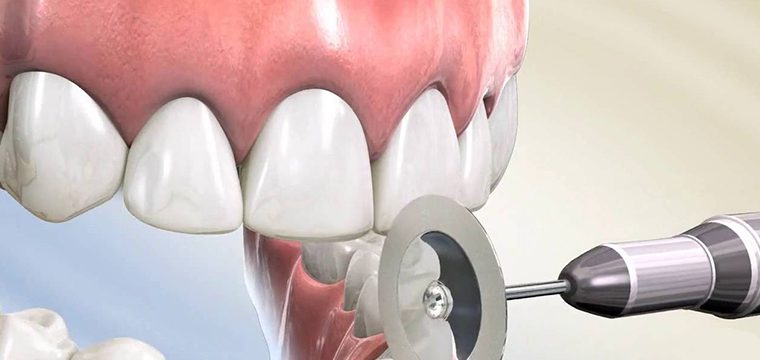
These grits are used for final sanding before a topcoat, smoothing metal surfaces, and preparing hardwood for a high-quality finish. In dental laboratory work, similar grit ranges are used with sanding discs on mandrels for contouring and pre-polishing restorations.
800–1500 Grit (Super Fine)
Super fine grits are used for polishing applications: furniture, amber, linden seeds, and precious metals. The surface left behind has a near-mirror smoothness.
2000–5000+ Grit (Ultra Fine)
Ultra fine grits use advanced particle technology to produce mirror-quality finishes. They are used for final polishing of premium products, automotive clear coat buffing, and fine jewelry work. Working at these grits requires a steady hand and patience.
How to Choose the Right Sandpaper Mandrel Combination
With the material and grit information above, follow these steps to select the ideal product:
- Identify your workpiece material. Wood, metal, ceramic, and composite each respond differently to abrasive types.
- Determine the stage of work. Are you shaping, smoothing, or polishing? This tells you the grit range you need.
- Match the abrasive material. For general woodwork, choose aluminum oxide. For metal grinding, try zirconia alumina. For wet finishing, pick silicon carbide.
- Select the correct mandrel. Ensure the mandrel shank fits your handpiece or rotary tool. Check the disc diameter and locking mechanism compatibility.
- Work through the grits in sequence. Start with a coarser grit and move progressively finer. Skipping grits leaves deeper scratches that are difficult to remove later.
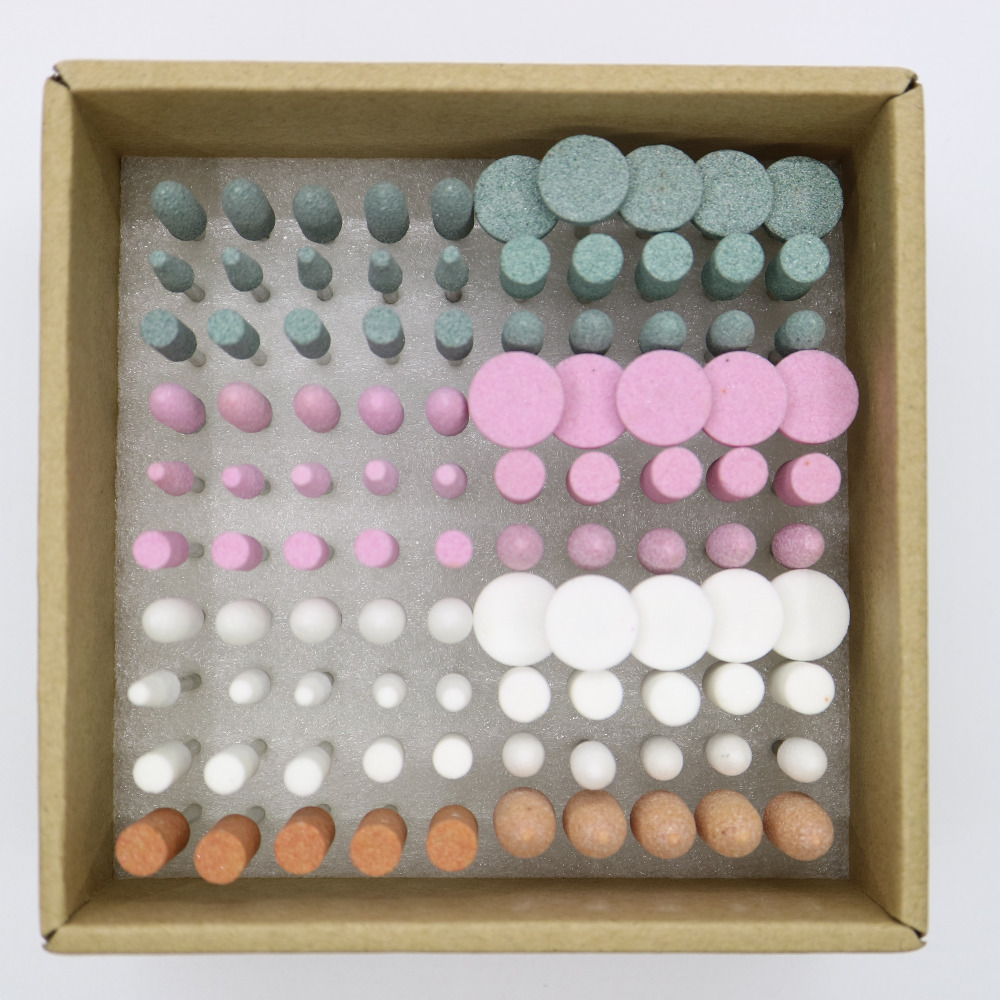
For dental and laboratory applications, abrasive sandpaper discs mounted on mandrels are frequently used alongside rotary tool accessories and silicone rubber polishers to achieve smooth, well-finished surfaces on restorations and prosthetics.
Tips for Getting the Best Results
- Apply even pressure. Let the abrasive do the work. Pressing too hard clogs the disc and produces heat marks.
- Replace worn discs promptly. A dull disc forces you to press harder, which damages the surface and wastes time.
- Use progressive gritting. Moving from coarse to fine in measured steps produces the smoothest finish with the least effort.
- Match speed to material. Softer materials like wood tolerate higher RPM, while metals and ceramics benefit from moderate speed to prevent overheating.
- Keep the workpiece clean. Remove dust between grit changes to avoid dragging coarse particles across a fine surface.
Understanding abrasive materials and grit sizes removes the guesswork from sandpaper selection. Whether you need aggressive stock removal or a mirror-quality polish, the right sandpaper and mandrel pairing makes the job faster and the results noticeably better every time you work.