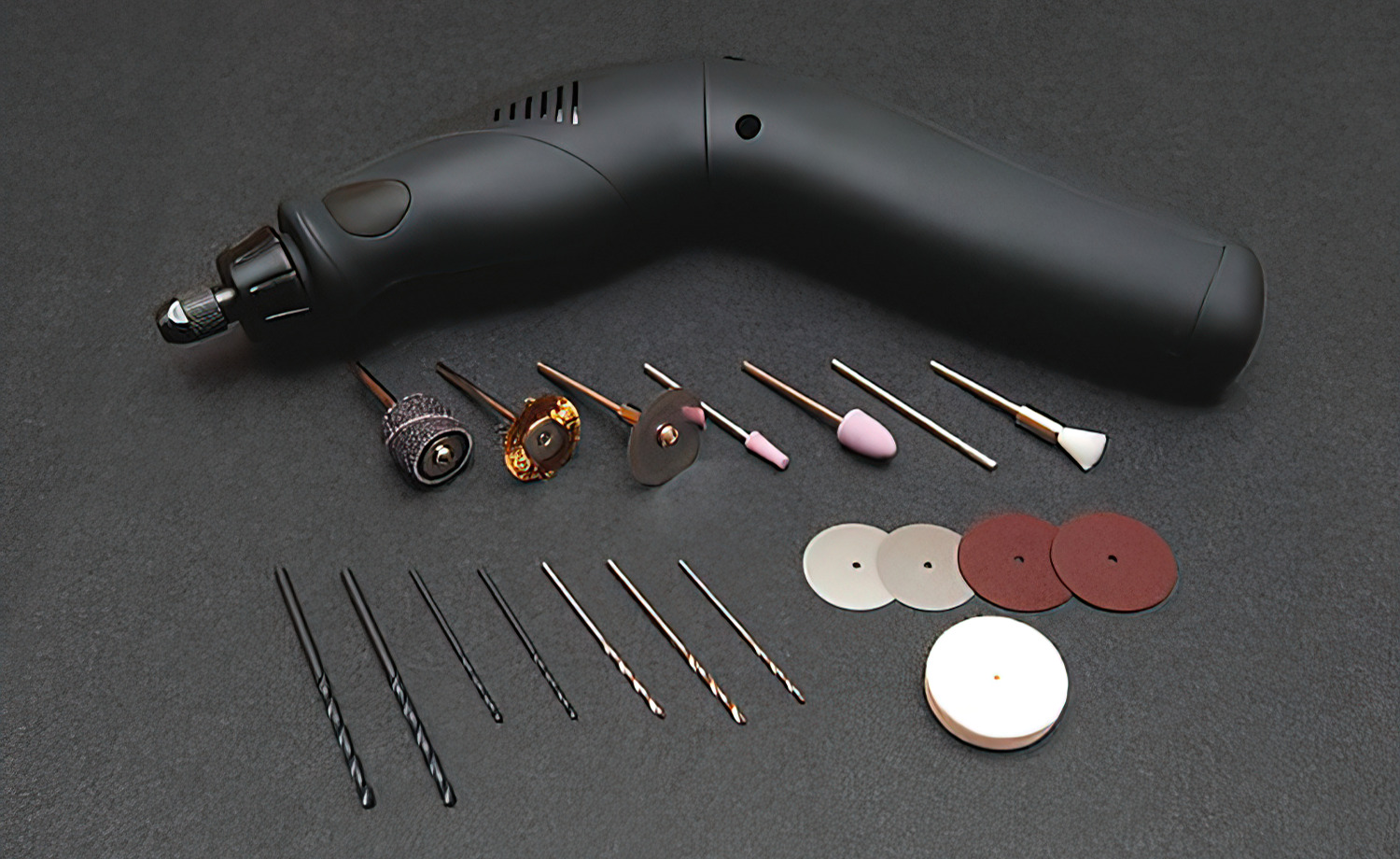
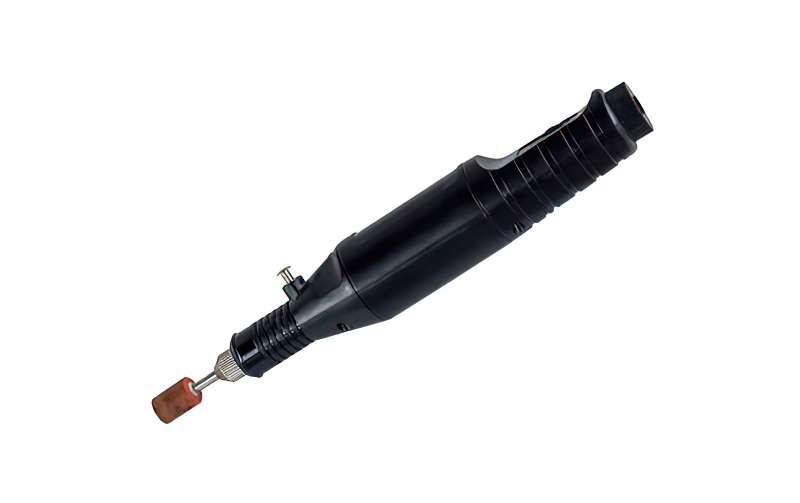
A Dremel rotary tool is one of the most versatile handheld devices you can own. Whether you work in a dental lab, a jewelry workshop, or a home garage, this tool handles polishing tasks that would be difficult or impossible by hand. In this guide, we walk through the complete process of polishing with a Dremel, from safety gear to final buffing.
What Is a Dremel Rotary Tool?
A Dremel is a high-speed rotary tool built around a compact motor that accepts hundreds of interchangeable accessories. The system includes cutting wheels, sanding drums, grinding stones, engraving bits, and polishing attachments. Unlike drills or grinders that rely on torque, a Dremel operates at high RPM with light pressure, making it well suited for detail work on small or hard-to-reach surfaces.
Common applications include:
- Polishing metal, coins, and jewelry
- Engraving glass and wood
- Grinding and sharpening blades
- Sanding in tight spaces
- Cutting thin materials like plastic and sheet metal
For polishing specifically, the Dremel excels because you can control speed precisely and swap between different buffing pads and compounds in seconds.
Essential Safety Precautions
Before you turn on the tool, prepare your workspace and personal protective equipment (PPE). Polishing generates fine particles and can throw small pieces of felt or compound at high speed.
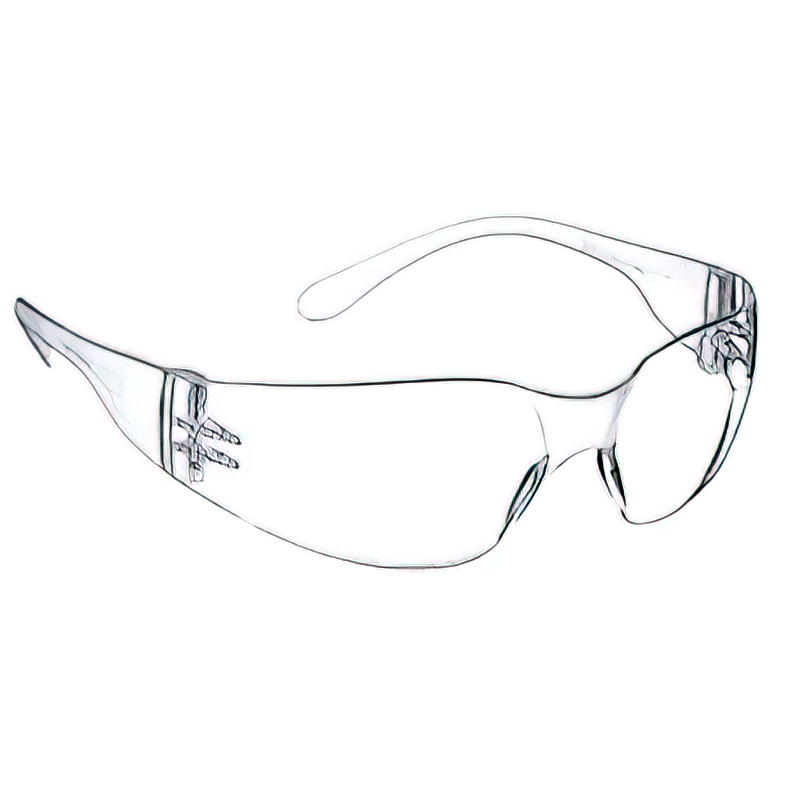
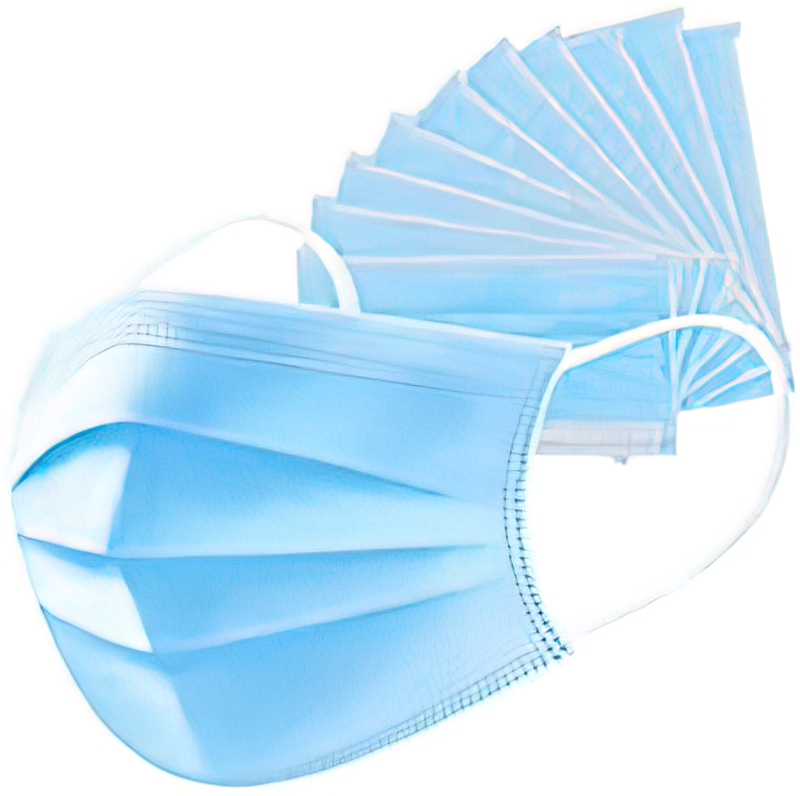
Required safety gear:
- Safety glasses or goggles — Felt pads and buffing wheels can detach during use. Eye protection is non-negotiable.
- Dust mask or respirator — Polishing compound creates airborne particles. A standard N95 mask works for most jobs.
- Work gloves — Optional but recommended when handling compounds or hot workpieces.
Additional tips:
- Secure your workpiece with a clamp or vise so both hands remain free.
- Work in a well-ventilated area.
- Keep loose hair, clothing, and jewelry away from the spinning tool.
- Start at low speed and increase gradually. High RPM on a fresh compound can splatter.
Tools and Accessories You Need
Gather everything before you start. Stopping mid-polish to search for supplies lets the workpiece cool unevenly and can leave marks.
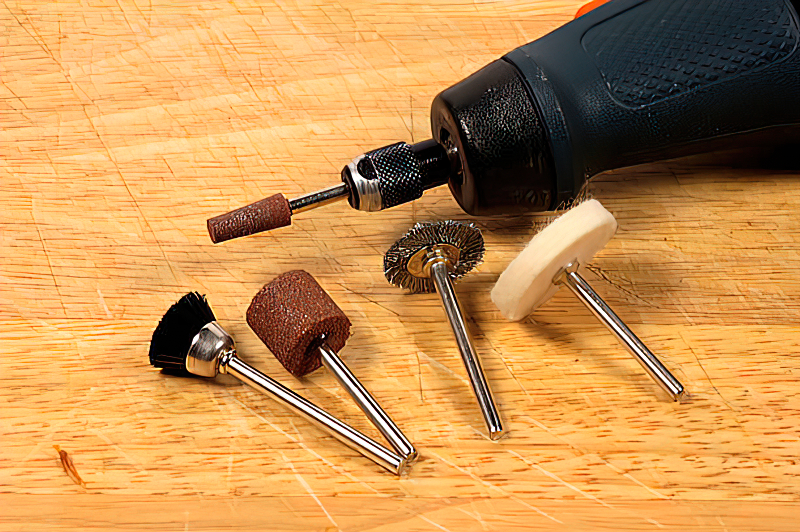
The Dremel and Flex Shaft
Any Dremel model with variable speed works. The flex shaft attachment is highly recommended because it moves the motor weight away from your hand, giving you better control during fine polishing work. Attach the flex shaft to the Dremel body, then mount your accessory at the handpiece end.
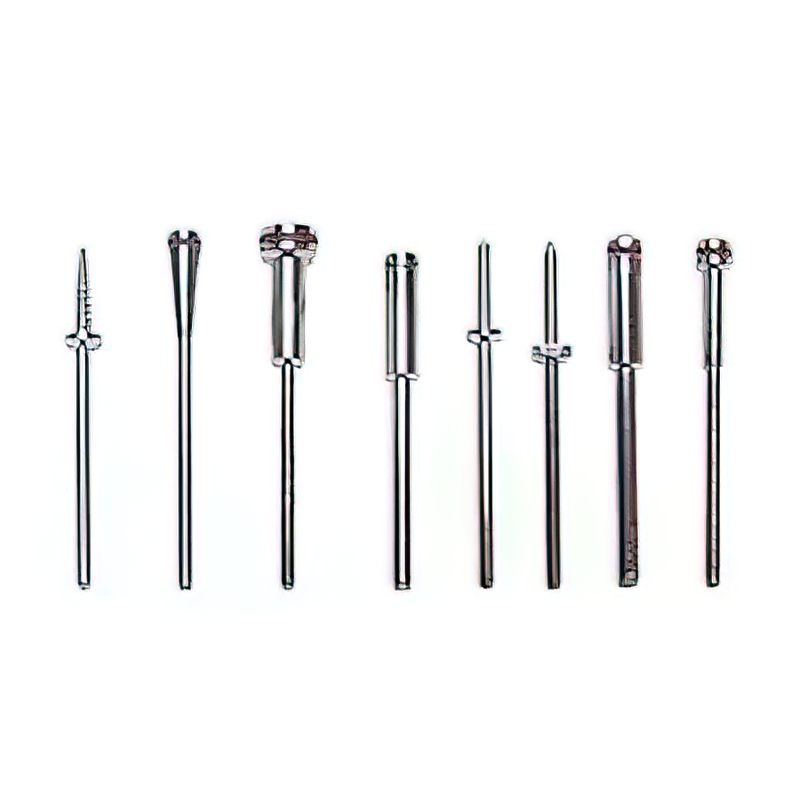
Mandrels
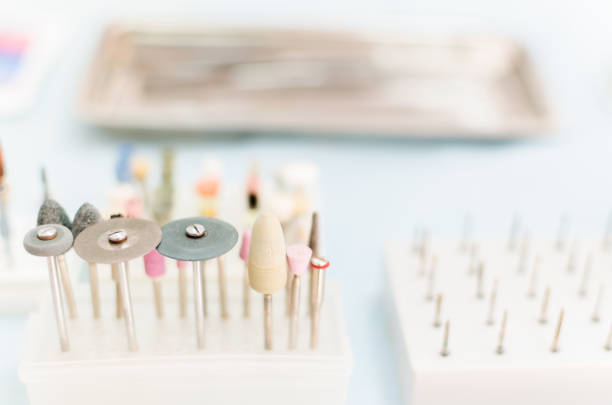
A mandrel is the small shaft that holds your felt bob, buffing wheel, or polishing disc in place. Choose the correct mandrel diameter to match your accessory. Screw-type mandrels work best for felt bobs, while snap-on mandrels suit polishing discs.
Polishing Compounds
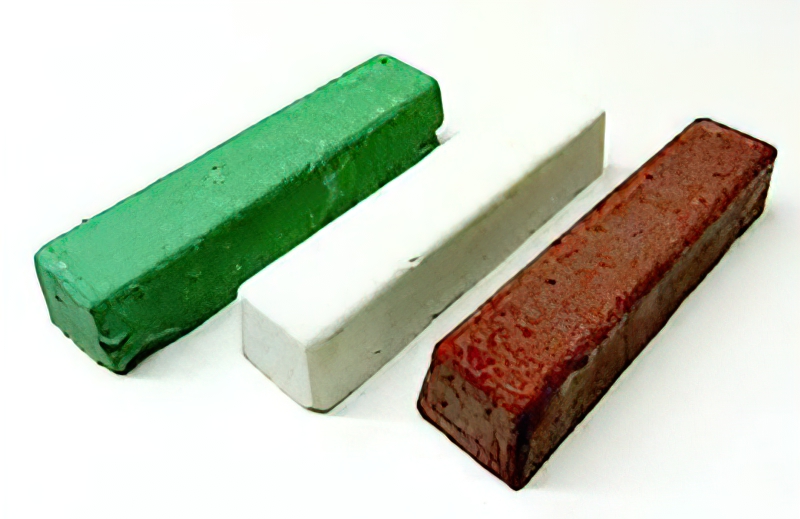
Compounds do the actual cutting and smoothing at a microscopic level. Common choices include:
| Compound | Color | Best For |
|---|---|---|
| Tripoli | Brown | Initial cut on metals, removing light scratches |
| Red rouge (jeweler's rouge) | Red | Final high-gloss polish on gold and silver |
| Green compound | Green | Stainless steel and chrome finishing |
| White diamond | White | All-purpose final polish |
| Flitz paste | Cream | Quick polish on mixed metals |
Apply compound to the buffing pad, not directly to the workpiece. A thin, even coat is all you need.
Felt Bobs and Buffing Wheels
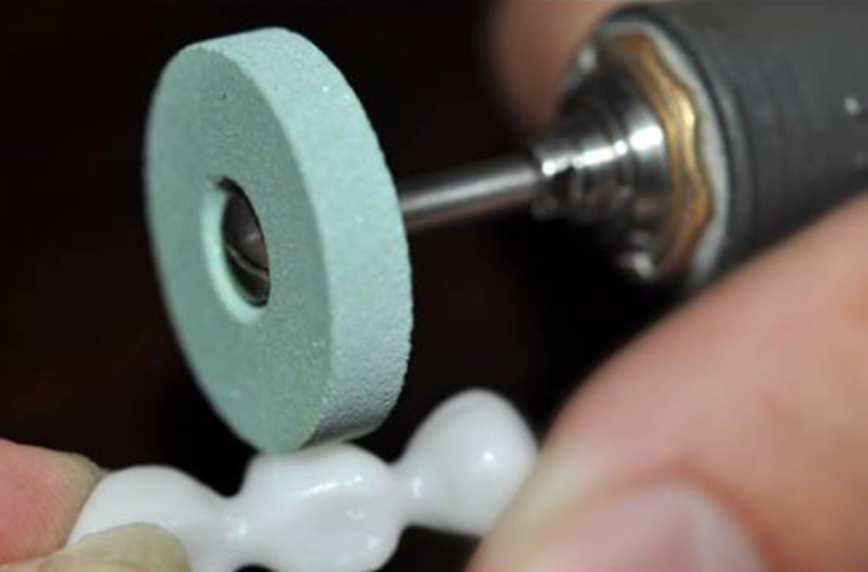
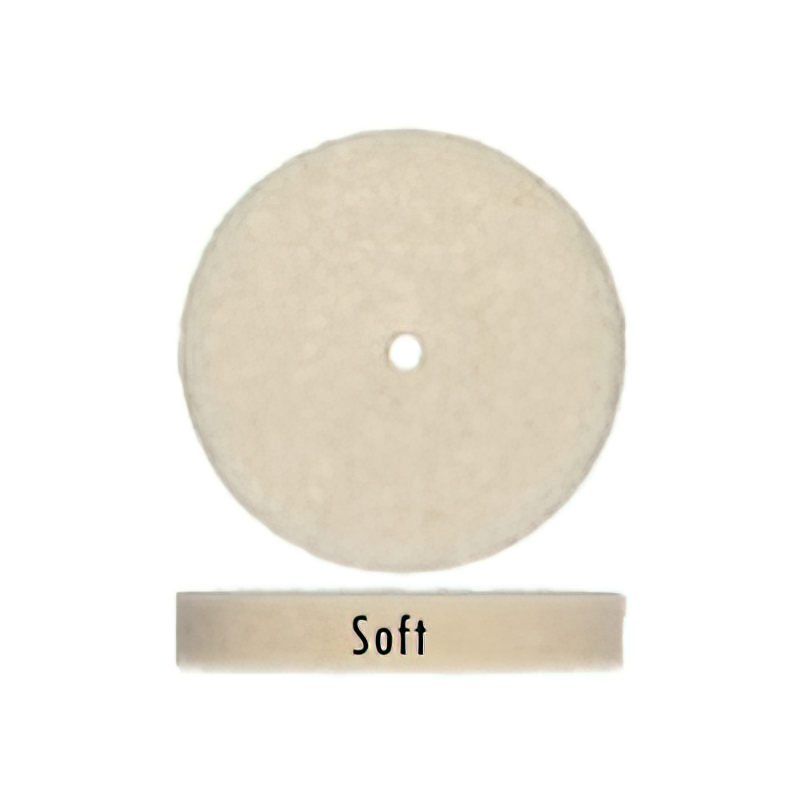
Felt bobs are cone- or cylinder-shaped pads made of compressed wool felt. They hold compound well and conform slightly to curved surfaces. Cotton buffing wheels are softer and better for final-stage mirror finishing. For aggressive initial polishing, consider a sisal brush or muslin wheel.
Step-by-Step Polishing Process
We will use coin polishing as a practical example, but these same steps apply to jewelry, metal hardware, and other small objects.
Step 1: Prepare the Surface
Clean the workpiece with warm soapy water or isopropyl alcohol to remove oil, dirt, and grime. Any debris left on the surface will scratch it during polishing. Dry the piece completely before proceeding.
Step 2: Mount the Mandrel and Felt Bob
Thread the screw-type mandrel into the felt bob and tighten firmly by hand. Insert the mandrel shank into the Dremel flex shaft collet and lock it in place.
Step 3: Apply Polishing Compound
Turn the Dremel on at low speed (5,000-10,000 RPM) and lightly touch the compound bar to the spinning felt bob. The heat from friction will transfer a thin layer of compound onto the pad. Too much compound clogs the felt and reduces its effectiveness.
Step 4: Begin Polishing
Hold the coin or workpiece steady and bring the spinning felt bob into contact with the surface. Use light, even pressure. Move the tool in small overlapping circles or straight sweeping motions. Keep the speed low — typically between 10,000 and 15,000 RPM for metals.
Key technique points:
- Let the compound and speed do the work. Pressing harder creates heat and can damage the surface.
- Reapply compound as needed when the pad starts to feel dry or stops cutting.
- Work in one direction to avoid swirl marks.
Step 5: Inspect and Repeat
After the first pass, wipe the surface clean with a soft cloth and inspect under good lighting. You should see a visible difference between polished and unpolished areas. Repeat with fresh compound until the entire surface is uniform.
Step 6: Final Buffing
Switch to a clean cotton buffing wheel and a finer compound (such as red rouge or white diamond) for the final mirror finish. Run the Dremel at a slightly higher speed — around 15,000 to 20,000 RPM — and use very light pressure. This last stage removes micro-scratches left by the initial polishing.
Tips for Different Materials
- Gold and silver jewelry: Start with Tripoli on a felt bob, finish with red rouge on a cotton wheel. Keep speed under 15,000 RPM to avoid heat damage. For more jewelry-specific techniques, see our guide on using rotary tools for jewelry.
- Stainless steel: Use green compound with a sisal brush for cutting, then white diamond with felt for finishing.
- Copper and brass: These soft metals polish quickly. Use light pressure to avoid removing too much material.
- Coins: Work at the lowest effective speed. Numismatic value can drop if the surface shows tooling marks.
Maintaining Your Polishing Accessories
Felt bobs and buffing wheels wear down with use. Replace them when they become misshapen or hardened with embedded compound. Never mix compounds on the same pad — each compound should have its own dedicated accessory. Label your pads if needed.
Store mandrels and accessories in a case or organizer to prevent damage. Clean the Dremel flex shaft occasionally by wiping the cable and handpiece with a dry cloth.
For those working in dental labs, the same polishing principles apply to finishing dental restorations. Browse our selection of polishing brushes and accessories designed for precision lab work. You can also explore our silicone polishers for fine finishing on dental materials.
Common Mistakes to Avoid
- Using too much speed: High RPM generates excessive heat that can discolor metals or melt plastics.
- Skipping grits: Jumping from a coarse compound to a fine one leaves deeper scratches visible under the final polish.
- Neglecting safety gear: Compounds contain metal oxides and abrasives. Always wear eye protection and a dust mask. Review our Dremel safety guide for more details.
- Over-polishing one spot: Keep the tool moving. Dwelling on a single area creates uneven surfaces and heat buildup.
With the right accessories, compounds, and technique, a Dremel rotary tool can produce a professional-grade polish on nearly any material. Start with lower speeds, use appropriate compounds for your material, and always prioritize safety. Practice on scrap pieces before moving to valuable items, and you will build the skill and confidence to handle any polishing project.