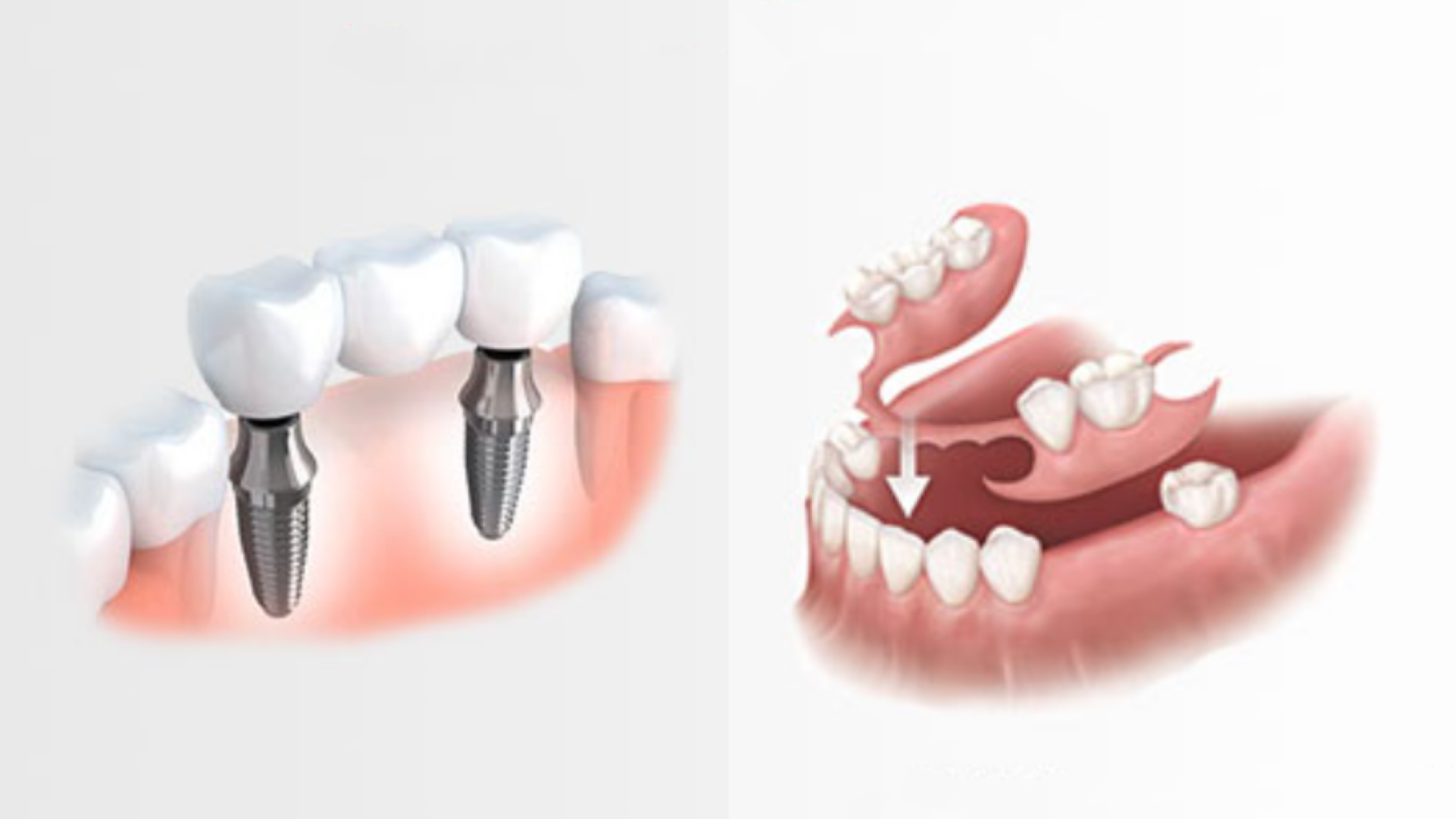
Flexsoft Partial Dentures vs Implant-Supported Dentures: A Detailed Comparison
Replacing missing teeth is one of the most common reasons patients visit a dental office. Two widely used options, Flexsoft partial dentures and implant-supported dentures, address the problem in fundamentally different ways. Flexsoft partials are removable appliances made from a flexible thermoplastic material, while implant-supported dentures attach to titanium posts surgically placed in the jawbone.
Both solutions restore chewing function, improve speech, and fill gaps in the smile. However, they differ significantly in cost, longevity, fabrication complexity, and patient suitability. This article breaks down each option so that dental professionals and patients can make an informed decision.
What Are Flexsoft Partial Dentures?
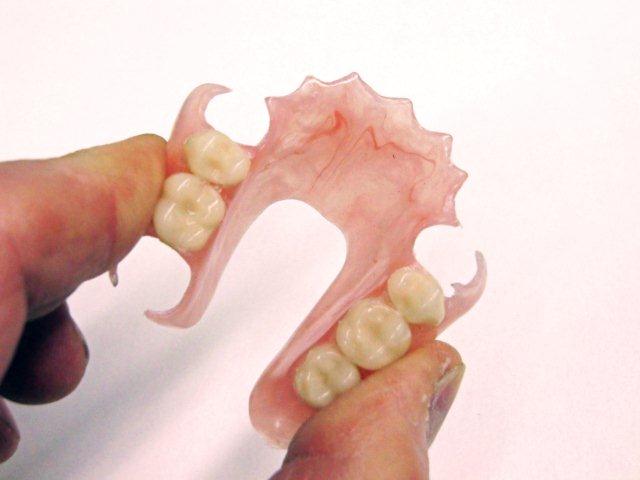
Flexsoft partial dentures are removable prostheses designed to replace one or more missing teeth within an arch. Unlike traditional acrylic or metal-framework partials, Flexsoft partials are injection-molded from a nylon-based thermoplastic resin. This material is thin, lightweight, and slightly elastic, which allows the appliance to flex as the patient inserts and removes it.
The flexible resin also serves as the clasp material. Instead of metal hooks that wrap around adjacent teeth, Flexsoft partials use tooth-colored or gum-colored retention arms that blend with the surrounding dentition. This makes them a popular choice for patients who are self-conscious about the appearance of a metal-clasp partial.
Indications for Flexsoft Partials
- Patients missing one to several teeth in the same arch who are not candidates for fixed bridgework
- Patients with allergies or sensitivities to acrylic monomer
- Interim prostheses while a patient saves for implant treatment
- Cases where adjacent teeth lack the structural support for a fixed bridge
- Patients who prioritize aesthetics and prefer a metal-free appliance
Fabrication Process
The workflow for a Flexsoft partial denture begins with conventional or digital impressions. If the laboratory receives a physical impression, it is poured in stone to create a working model. A wax try-in is fabricated so the dentist can verify tooth position, occlusion, and overall fit before final processing.
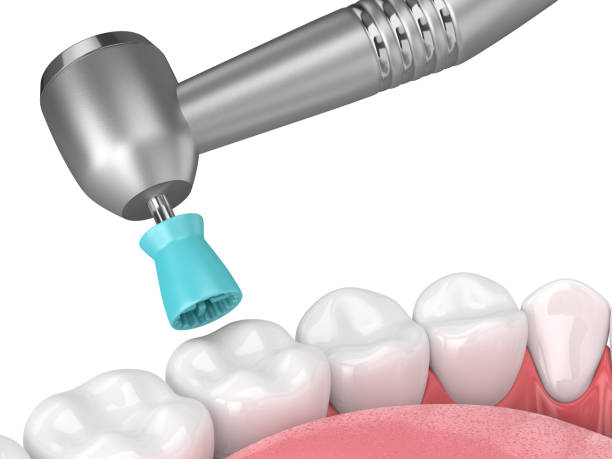
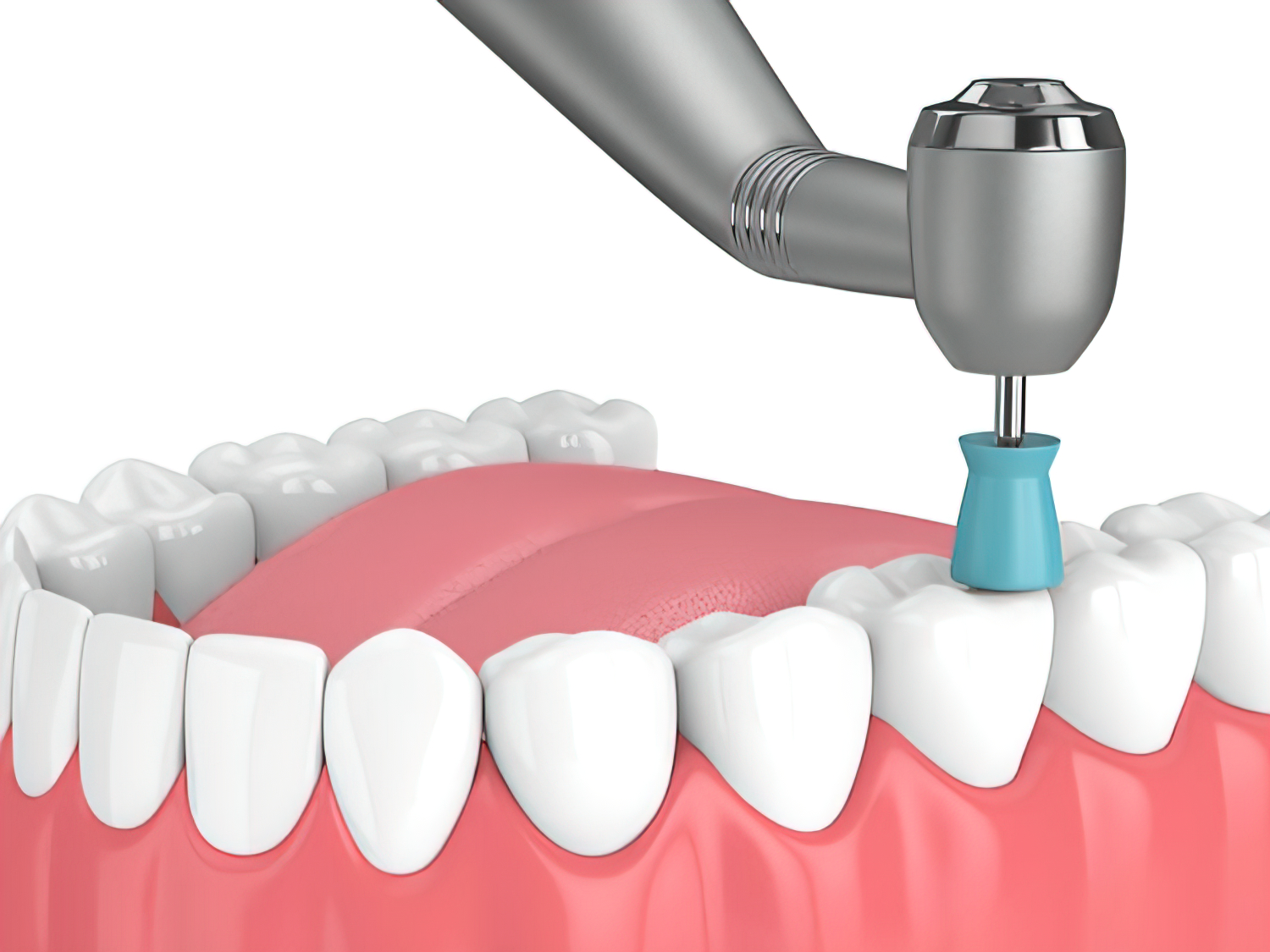
Once the try-in is approved, the laboratory invests the wax pattern in a special flask designed for injection molding. The Flexsoft resin is heated until it reaches a pliable state, then injected under pressure into the mold cavity. After cooling, the technician deflasks the appliance, trims flash material, and finishes the surface with appropriate polishing tools. Proper finishing with silicone rubber polishers gives the appliance a smooth, comfortable surface that resists plaque accumulation.
Advantages of Flexsoft Partials
- Comfort: The flexible material conforms to soft-tissue undercuts, reducing pressure spots that are common with rigid acrylic bases.
- Aesthetics: Translucent pink resin and tooth-colored clasps make the appliance nearly invisible in the mouth.
- Durability against fracture: The thermoplastic resin absorbs impact rather than cracking, making it a good option for patients who tend to drop their dentures.
- Biocompatibility: Flexsoft resin is monomer-free, which eliminates the risk of allergic reactions associated with methyl methacrylate.
Limitations of Flexsoft Partials
- The flexible base does not distribute occlusal forces as rigidly as a metal framework, which can lead to increased stress on the residual ridge over time.
- Relines and repairs are more difficult compared to conventional acrylic partials because the thermoplastic material does not bond easily with standard repair resins.
- Long-term color stability can be an issue if the patient does not follow recommended cleaning protocols.
What Are Implant-Supported Dentures?
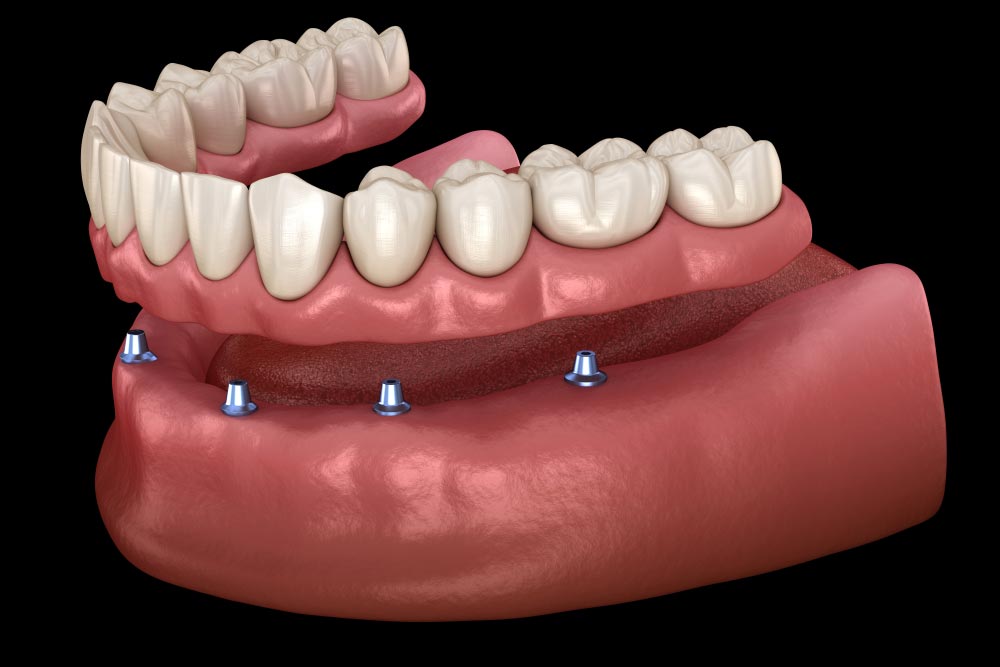
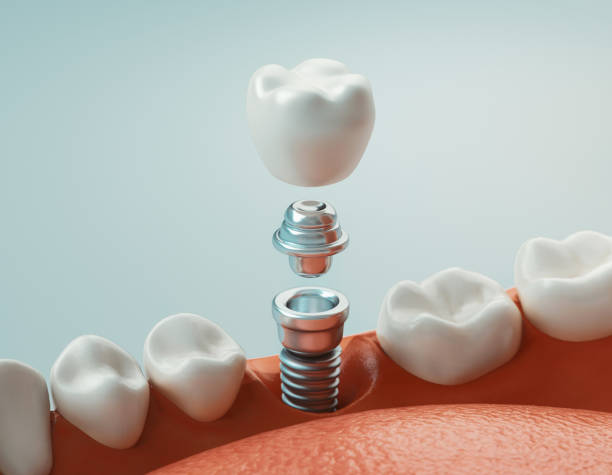
Implant-supported dentures are prostheses that derive their retention and stability from dental implants rather than from the soft tissue or remaining teeth. Titanium implant fixtures are placed surgically into the alveolar bone, where they undergo osseointegration over a period of three to six months. Once integrated, the implants serve as anchors for the denture.
There are two main categories of implant-supported dentures. Overdentures snap onto locator or ball attachments connected to two or four implants, and the patient can still remove them for cleaning. Fixed implant dentures, sometimes called hybrid dentures or All-on-4 prostheses, are screwed directly to the implants and can only be removed by a dentist.
Indications for Implant-Supported Dentures
- Fully edentulous patients who struggle with loose or ill-fitting conventional dentures
- Partially edentulous patients who want a fixed, permanent solution
- Patients with sufficient bone volume or those willing to undergo bone grafting procedures
- Patients who want to preserve alveolar bone and prevent further resorption
Fabrication Process
After implant placement and a healing period, the restorative phase begins. The dentist takes an implant-level impression using transfer copings or an intraoral digital scanner. The laboratory uses this data to design the denture framework, often in zirconia or a titanium-reinforced acrylic substructure.
Modern laboratories rely heavily on CAD/CAM milling burs to produce implant frameworks and bars from solid blocks of material. The milled framework is verified for passive fit on a master model before the denture teeth and gingival acrylic are added. A final try-in confirms aesthetics and occlusion, and the prosthesis is then finished, polished, and delivered.
Advantages of Implant-Supported Dentures
- Stability: Implant retention eliminates the rocking and lifting that plague tissue-supported dentures. Patients can bite into hard foods with confidence.
- Bone preservation: Functional loading through implants stimulates the jawbone, slowing or halting the resorption that occurs after tooth extraction.
- Longevity: With proper maintenance, implant frameworks can last 15 to 20 years. The acrylic teeth and gingival material may need replacement every 7 to 10 years.
- Improved phonetics: A stable denture base does not shift during speech, reducing the lisping and clicking sounds patients often report with conventional dentures.
Limitations of Implant-Supported Dentures
- Higher upfront cost compared to removable options. A full-arch implant denture can cost several times more than a Flexsoft partial.
- Surgical placement carries inherent risks including infection, nerve injury, and implant failure.
- Patients must have adequate bone density or be willing to undergo grafting, which adds time and expense.
- Maintenance appointments are required for screw tightening, attachment replacement, and professional cleaning around implant abutments.
Side-by-Side Comparison
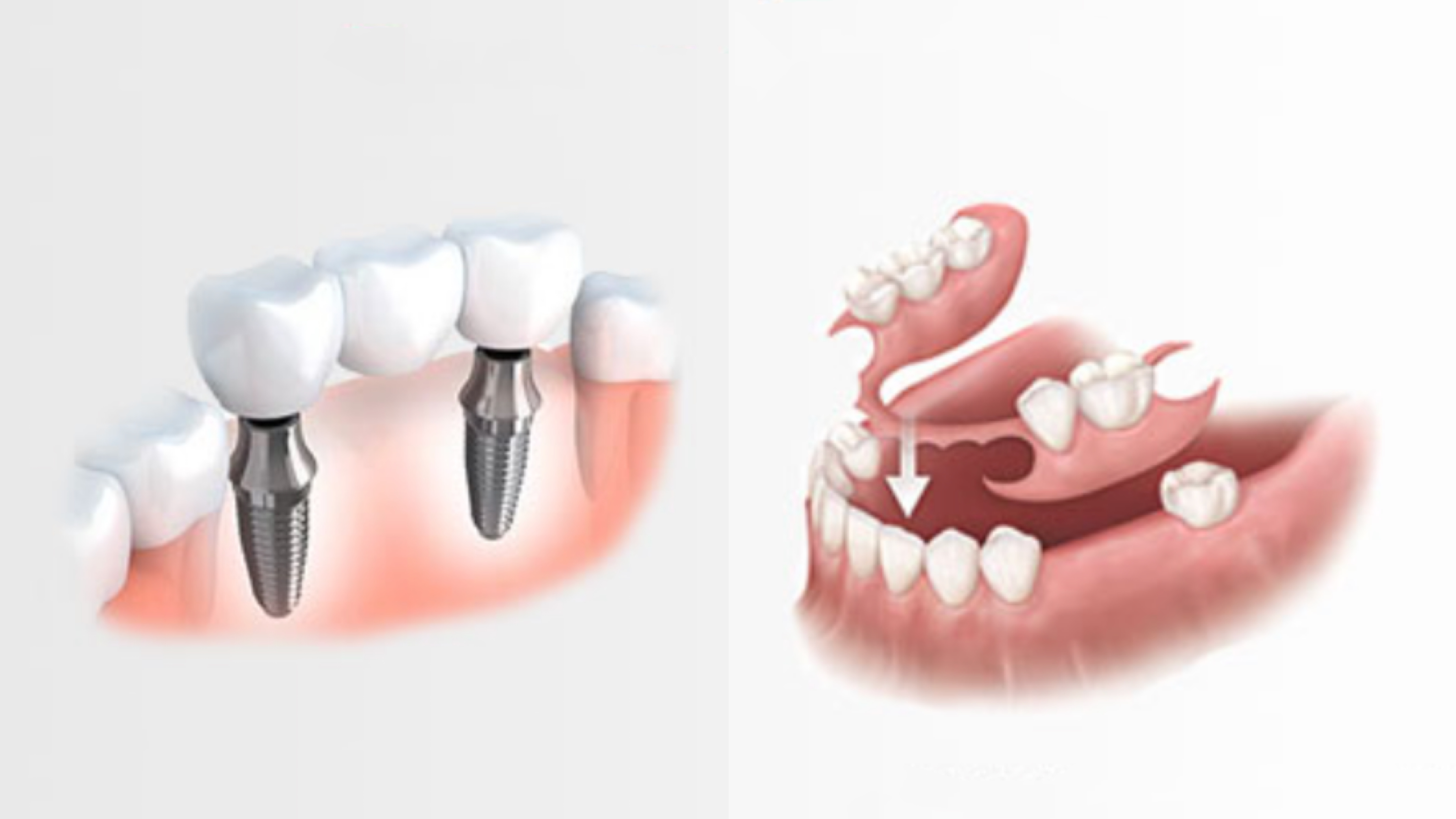
The following table summarizes the key differences between these two prosthetic options.
| Factor | Flexsoft Partial Denture | Implant-Supported Denture |
|---|---|---|
| Retention method | Flexible resin clasps on adjacent teeth | Titanium implants osseointegrated in bone |
| Removability | Patient-removable | Removable (overdenture) or fixed (hybrid) |
| Typical lifespan | 3 to 5 years | Framework 15 to 20 years; teeth 7 to 10 years |
| Approximate cost | Lower | Significantly higher |
| Bone preservation | Does not stimulate bone | Stimulates bone through functional loading |
| Surgery required | No | Yes |
| Repair ease | Difficult with thermoplastic | Acrylic components are easier to repair or reline |
| Best for | Partial edentulism, interim use, aesthetic concerns | Full or partial edentulism, long-term stability |
How to Help Patients Choose
The decision between a Flexsoft partial and an implant-supported denture depends on several patient-specific factors. Clinicians should evaluate the following during the treatment planning phase.
Budget and Insurance Coverage
Many dental insurance plans cover a portion of removable partial dentures but offer limited or no coverage for implant procedures. For patients on a tight budget, a Flexsoft partial may be the only realistic starting point. Some clinicians present it as a transitional appliance, giving the patient time to plan financially for implants later.
Oral Health Status
Patients with active periodontal disease, uncontrolled diabetes, or heavy smoking habits may not be good candidates for implant surgery until those conditions are managed. A Flexsoft partial can restore function and aesthetics while the patient works toward improved systemic health.
Number and Location of Missing Teeth
A patient missing a single premolar has different needs than a patient missing an entire posterior quadrant. For isolated single-tooth gaps, an implant crown is often the most conservative option. For larger spans, a Flexsoft partial or an implant-supported bridge should be compared on a case-by-case basis.
Patient Expectations
Some patients want a set-it-and-forget-it solution and are willing to invest accordingly. Others prefer a non-surgical approach they can remove at night. Clear communication about the pros and cons of each option is the best way to reach a mutually agreed-upon treatment plan.
Maintenance and Aftercare
Both prosthetic types require ongoing care to perform well over time.
Flexsoft partials should be cleaned daily with a soft brush and a non-abrasive denture cleanser. Patients should avoid soaking them in hot water, which can distort the thermoplastic material. Annual check-ups allow the dentist to assess fit and make adjustments before sore spots develop. For detailed cleaning guidance, see our article on how to clean your partial dentures step by step.
Implant-supported dentures need professional maintenance every six to twelve months. The dentist or hygienist will remove the prosthesis (if it is screw-retained), clean around the implant abutments, check screw torque, and inspect attachment components for wear. Patients should also clean around implant fixtures daily using interdental brushes or a water flosser.
Making the Right Recommendation
Neither Flexsoft partial dentures nor implant-supported dentures are universally superior. Each option fills a specific role in the restorative toolkit. A Flexsoft partial is an accessible, non-surgical solution that works well for patients who need a quick, aesthetic replacement for a few missing teeth. An implant-supported denture offers unmatched stability and bone preservation for patients who are ready for a surgical investment.
The best outcomes happen when clinicians take time to evaluate each patient's anatomy, health history, financial situation, and personal goals. By presenting both options honestly and thoroughly, you give your patients the information they need to choose the path that fits their life.