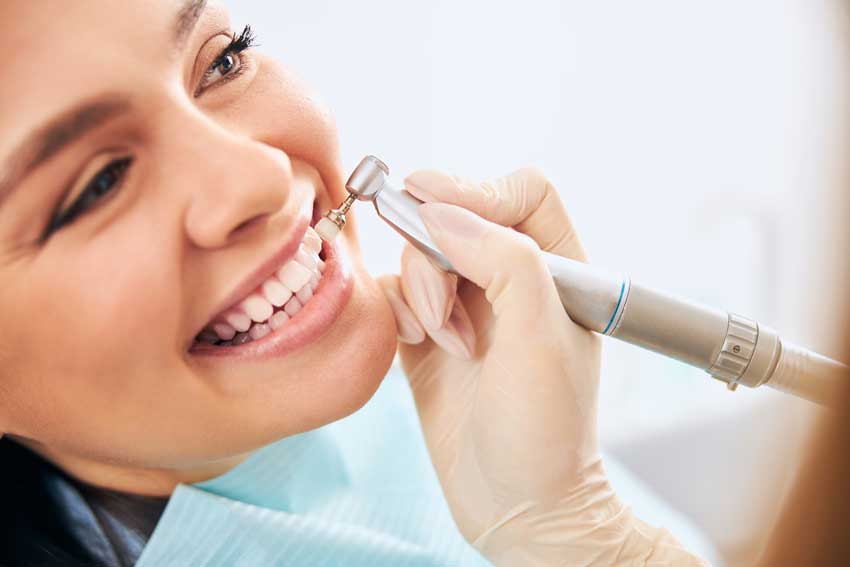
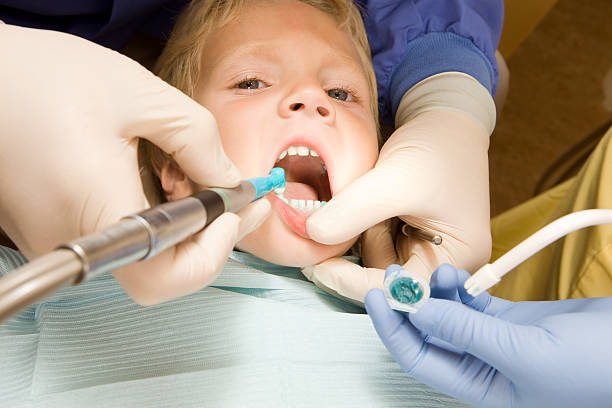
Tooth polishing smooths the surface of teeth and restorations after dental procedures. The main goals of polishing are to remove external stains, reduce plaque buildup, improve esthetics, and minimize corrosion on metal restorations. Polishing is typically performed after debridement and before fluoride application.
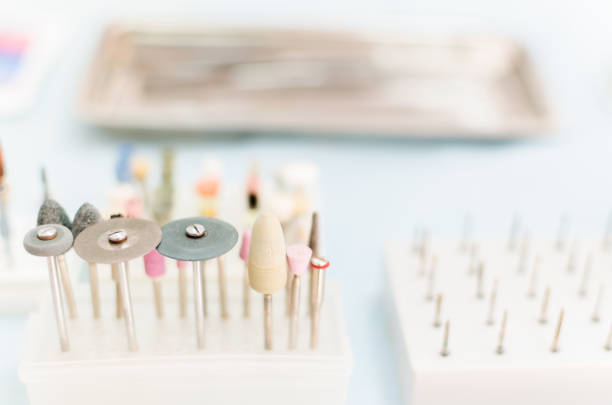
Selecting the right polisher for each material and situation makes a real difference in clinical outcomes. The main categories of dental polishers include diamond stones, diamond rubber polishers, silicone polishers, polishing brushes, and prophy cups. Each type serves a specific purpose and works best with certain materials.
Diamond Stones for Dental Polishing
Diamond stones are precision instruments used primarily for grinding and pre-polishing zirconia, glass ceramics, and porcelain restorations. They come in two shank types: FG (friction grip) for high-speed handpieces and RA (right angle) for slow-speed contra-angles. The shank type determines the operating speed and the handpiece compatibility.
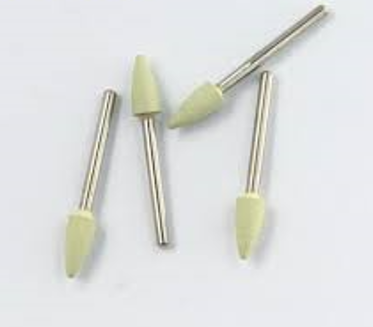
Diamond stones contain embedded diamond particles in a bonded matrix, which gives them excellent cutting and shaping ability on hard ceramic materials. They are commonly used as the first step in a multi-stage polishing sequence, removing gross irregularities before finer polishing instruments are applied.
When to Use Diamond Stones
- Adjusting and contouring zirconia crowns and bridges
- Shaping porcelain-fused-to-metal (PFM) restorations
- Pre-polishing lithium disilicate and other glass ceramics
- Smoothing rough surfaces on ceramic inlays and onlays
For a full range of grits and shapes, see our diamond stones collection.
Tips for Using Diamond Stones
Always use water spray when grinding with diamond stones to prevent overheating the restoration. Start with a coarser grit to remove bulk material, then switch to a finer grit for initial smoothing. Keep the stone moving in light, sweeping strokes rather than pressing hard in one spot, which can create grooves or cause micro-fractures in the ceramic surface.
Diamond Rubber Polishers
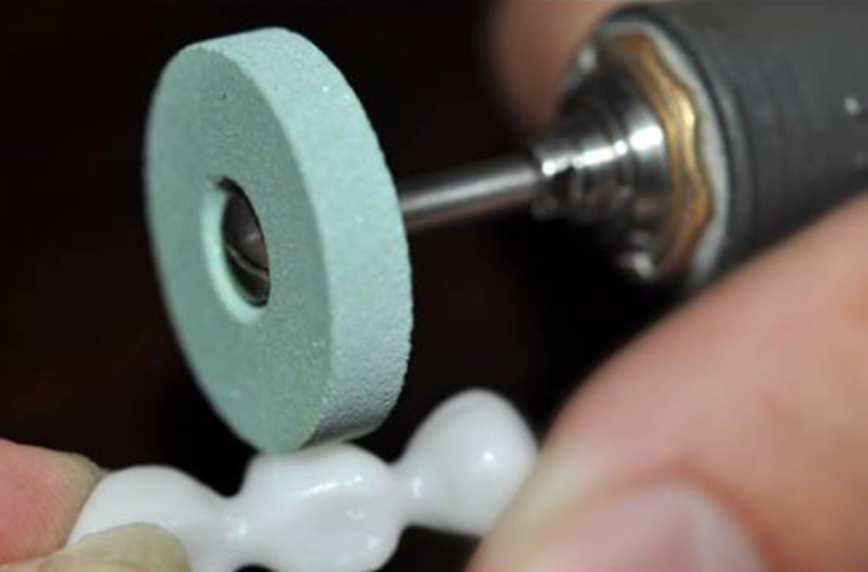
Diamond rubber polishers, also known as silicon diamond polishers or dental diamond grinders, are among the most versatile polishing instruments in modern dentistry. They combine the cutting efficiency of diamond particles with the flexibility of a rubber or silicone matrix. This design allows them to conform to tooth and restoration anatomy while delivering a smooth, high-gloss finish.
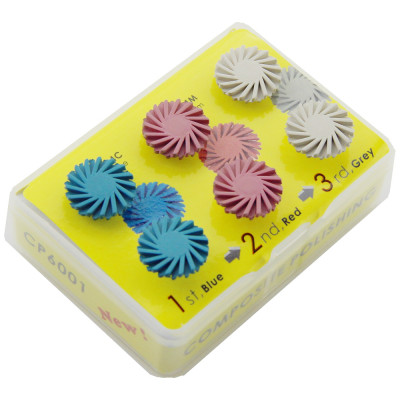
These polishers are widely used for finishing and polishing zirconia, glass ceramics, porcelain, and composite resin restorations. They typically come in multi-step kits that progress from coarse to fine grits, allowing clinicians to achieve a mirror-like surface in just two or three steps.
Advantages of Diamond Rubber Polishers
- Work on multiple materials including zirconia, porcelain, and resin
- Available in various shapes (flame, cup, disc, wheel) for different surfaces
- Produce consistent results with minimal technique sensitivity
- Reduce chair time compared to paste-based polishing methods
Browse the full selection at our diamond rubber polishers page.
Choosing the Right Diamond Rubber Polisher Kit
Most manufacturers offer two-step or three-step kits. A two-step kit includes a coarse pre-polisher and a fine high-gloss polisher. A three-step kit adds a medium stage for intermediate smoothing. Three-step kits produce a slightly better final surface but take more chair time. For most clinical situations, a two-step kit provides an excellent balance of speed and surface quality.
Silicone Polishers for Ceramics, Metals, and Alloys
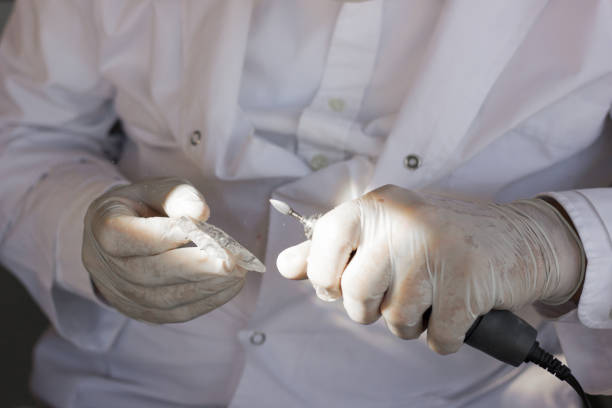
Silicone polishers use color-coded grit systems to simplify material selection. Each color corresponds to a specific abrasive level and material compatibility, making it straightforward to pick the right polisher for any clinical scenario.
Color-Coded Grit Guide for Silicone Polishers
| Color | Grit Level | Best For |
|---|---|---|
| White | Coarse | Porcelain pre-polishing |
| Pink | Medium | Porcelain intermediate polishing |
| Blue | Fine | Porcelain final polish |
| Black | Coarse | Metal and alloy shaping |
| Brown | Medium | Metal and alloy smoothing |
| Light Green | Fine | Metal, alloy, and resin finishing |
| Yellow | Extra Fine | Resin high-gloss finish |
The porcelain sequence (white, pink, blue) and the metal sequence (black, brown, light green) each follow a coarse-to-fine progression. Light green and yellow grits also perform well on composite resin, making them useful multi-purpose finishing instruments. When selecting silicone polishers, always confirm the shank type matches your handpiece. FG shanks fit high-speed handpieces, while RA shanks are designed for slow-speed contra-angles. Using the wrong shank type can damage both the polisher and the handpiece.
Polishing Brushes
Polishing brushes, sometimes called preventive brushes, serve a dual role in dental practice. They help polish natural teeth, resin restorations, and porcelain surfaces while also aiding in stain removal and plaque disruption during prophylaxis appointments.
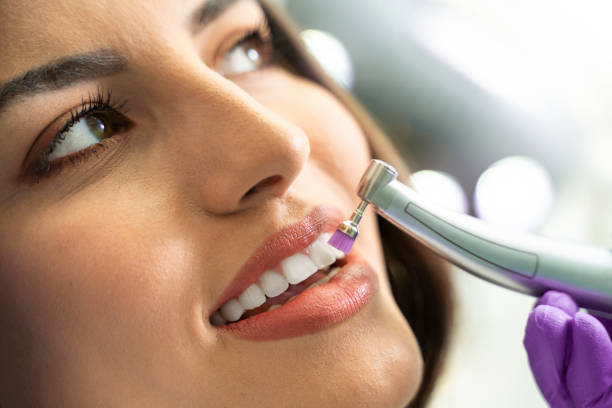
Dental polishing brushes are manufactured from a variety of materials, each suited to different clinical needs:
- Wool brushes — Soft and gentle on enamel, ideal for high-shine finishing
- Nylon brushes — Durable and effective for stain removal
- Silicone brushes — Flexible and non-abrasive for sensitive areas
- Bristle brushes — Firm enough for heavy stain deposits
All polishing brushes from BurDental use an RA shank for compatibility with standard slow-speed handpieces. They are popular across dental practices in North America, Europe, Australia, and the Middle East. If you are interested in learning more about complementary finishing instruments, read our guide on choosing the right dental bur.
Prophy Cups
Prophy cups are soft rubber cups designed specifically for prophylaxis polishing. Their flexible, flared edges open and conform to the natural contours of each tooth, allowing effective stain removal and interproximal cleaning with minimal operator fatigue.
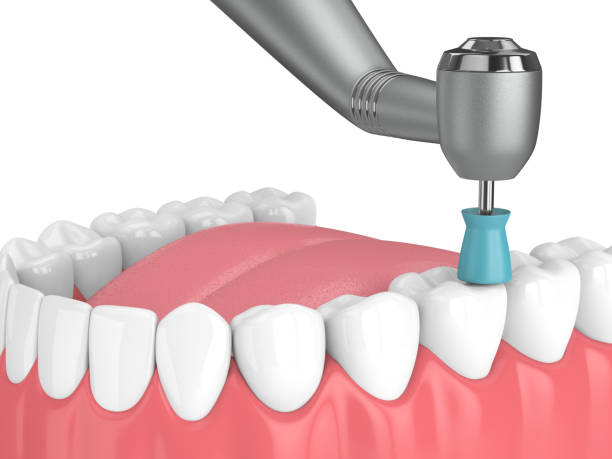
Key Features of Prophy Cups
- Flared rim gently contacts the gingival margin for subgingival access
- Suitable for both adult and pediatric patients
- Wide base design prevents polishing paste from reaching the contra-angle
- Reduces operator hand strain during extended prophylaxis sessions
The soft mouth of the prophy cup massages the gingiva during use, which many patients find comfortable. Prophy cups can replace pointed polishers in most routine cleaning situations and work well with standard prophy paste.
When loading a prophy cup, apply paste to the inside of the cup rather than to the tooth surface. Run the handpiece at a slow, steady speed and use light pressure. Excessive speed or pressure generates heat and can damage the enamel or irritate the soft tissue.
Choosing the Right Dental Polisher
Matching the polisher to the restoration material is the single most important factor in achieving a good result. Here is a quick reference for common scenarios:
| Restoration Material | Recommended Polisher |
|---|---|
| Zirconia | Diamond stone, then diamond rubber polisher |
| Glass Ceramic | Diamond stone, then diamond rubber polisher |
| Porcelain | Silicone polisher (white > pink > blue sequence) |
| Metal / Alloy | Silicone polisher (black > brown > light green) |
| Composite Resin | Diamond rubber polisher or silicone (light green/yellow) |
| Natural Teeth | Polishing brush or prophy cup |
Always follow a coarse-to-fine progression, use light intermittent pressure, and keep the polisher moving to avoid generating excessive heat. For related reading on instrument maintenance, check out our article on how to clean diamond burs.
Final Thoughts on Dental Polishers
Each type of dental polisher fills a distinct role in the finishing and polishing workflow. Diamond stones handle the heavy initial contouring. Diamond rubber polishers deliver versatile multi-material finishing. Silicone polishers offer precise, color-coded grit control. Polishing brushes provide gentle stain removal on natural teeth. And prophy cups remain the standard for routine prophylaxis.
Understanding which polisher to reach for in each situation saves time, produces better clinical outcomes, and keeps patients comfortable. Building a well-stocked polishing armamentarium with instruments for every material ensures consistent results across all types of restorations.
Proper maintenance also matters. Rinse reusable polishers after each patient and autoclave them according to the manufacturer's instructions. Replace worn polishers promptly, as a worn instrument requires more pressure and produces a less consistent finish. Keeping a fresh inventory of polishing instruments in your operatory means you are always ready for any restoration material that comes through the door.