Why Dental Diamond Discs Wear Out and How to Prevent It
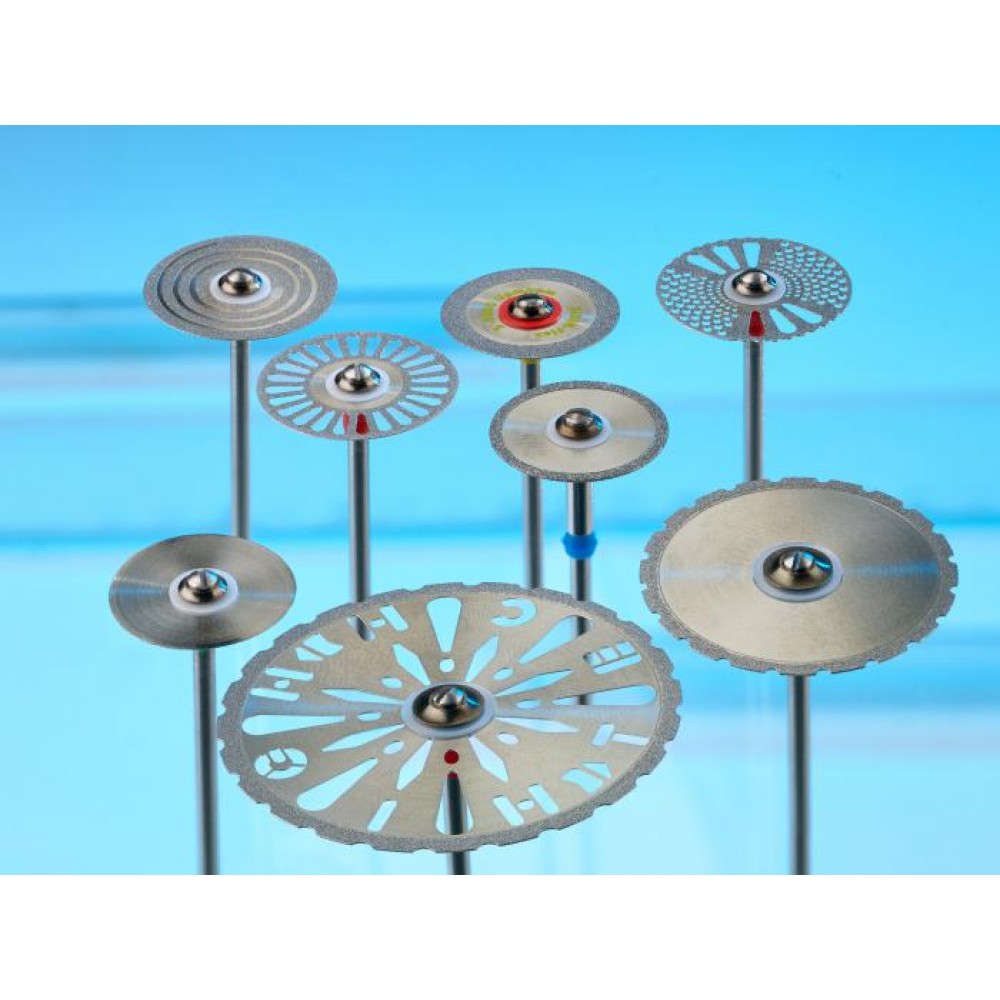
Diamond discs are among the most frequently used cutting instruments in dental laboratories. Whether you are sectioning models, trimming plaster, or adjusting ceramic restorations, a reliable diamond disc is essential to clean, precise cuts. Yet every technician has experienced a disc that loses its edge far too quickly. Understanding the reasons behind premature wear can save you money and frustration.
In this guide, we break down the most common causes of diamond disc failure and share practical steps you can take to get the longest possible service life from every disc.
How Diamond Discs Work
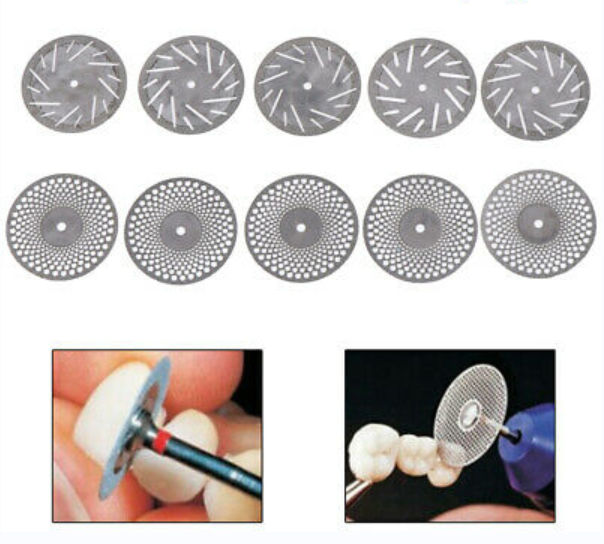
A dental diamond disc consists of a metal core bonded with industrial diamond particles. The diamond grit does the actual cutting, while the metal matrix holds each particle in place. As the disc rotates at high speed, the exposed diamond edges grind through materials like plaster, ceramic, zirconia, and metal alloys.
The balance between the diamond grit and the bonding matrix is what determines a disc's performance. If the bond is too soft, diamonds fall out before they are fully used. If the bond is too hard, worn diamonds stay trapped in the matrix and the disc glazes over, losing its cutting ability. A well-engineered disc maintains this balance so that fresh diamond is continuously exposed as the disc wears naturally.
Top Causes of Premature Diamond Disc Wear
1. Poor Manufacturing Quality
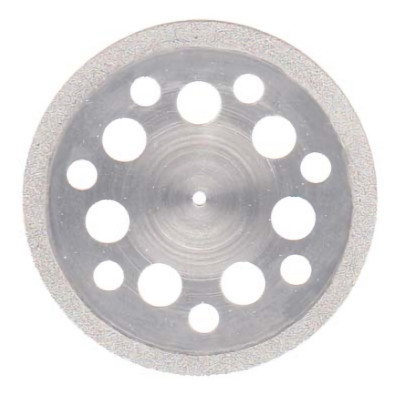
Not all diamond discs are created equal. Low-quality discs often suffer from uneven diamond distribution across the cutting surface. When the grit is concentrated in some areas and sparse in others, the disc wears unevenly. Sections with fewer diamonds bear more load, overheat, and break down faster.
Another quality-related issue is a mismatch between the metal carcass and the diamond layer. If the bond strength is inconsistent, you may notice sparking during cutting, which is a clear sign that the disc is losing diamonds prematurely. Always source your discs from a reputable manufacturer that controls particle size, distribution, and bonding processes.
2. Excessive Continuous Cutting
Heat is the number-one enemy of any diamond cutting tool. During dry cutting, friction generates significant heat at the disc edge. If you cut continuously for more than five to ten minutes without a pause, that heat builds up to a point where it weakens the bonding matrix and accelerates diamond loss.
The best practice is to cut in short intervals. Work for 30 to 60 seconds, then pause briefly to let the disc cool. If your handpiece or bench motor supports water cooling, use it. Water not only reduces temperature but also flushes away debris that can clog the disc surface and reduce cutting efficiency.
3. Applying Too Much Pressure
Many technicians instinctively press harder when a disc starts to slow down. This creates a vicious cycle: increased pressure generates more heat, which wears the disc faster, which prompts even more pressure. The result is a disc that fails in a fraction of its expected lifespan.
Let the diamond grit do the work. Apply light, steady pressure and allow the disc to cut at its own pace. If you find yourself forcing the disc, it may already be too worn and should be replaced rather than pushed to failure.
4. Cutting the Wrong Materials
Diamond discs are designed for specific material hardness ranges. A disc intended for plaster trimming will not hold up well against hard zirconia or metal alloys. Using a disc outside its intended application puts excessive stress on the diamond layer, causing rapid wear or even disc breakage.
Check the manufacturer's recommendations for each disc type. For harder materials like zirconia, choose discs with a finer grit and a harder bond specifically rated for those applications.
5. Improper Storage Conditions
Even when not in use, diamond discs can degrade if stored incorrectly. Humid environments promote oxidation of the metal core, which weakens the bond holding the diamond particles. Over time, surface rust and corrosion make the disc unsafe to use.
Store discs in a ventilated, dry location. Keep them in their original protective cases or sleeves. If you notice that a protective cover is cracked or damaged, replace it or transfer the disc to a sealed container to keep moisture out.
Signs That Your Diamond Disc Needs Replacing
- Glazing: The disc surface looks smooth and shiny rather than rough. This means the exposed diamonds are worn flat and no fresh grit is being revealed.
- Sparking: Visible sparks during cutting indicate that the metal matrix is contacting the workpiece directly, meaning diamond coverage is lost.
- Slow cutting speed: If you need to apply significantly more pressure to achieve the same cut, the disc has reached the end of its useful life.
- Wobbling or vibration: Physical damage to the core disc can cause imbalance. A wobbling disc produces rough cuts and poses a safety risk.
- Visible cracks: Any crack in the disc body is an immediate safety concern. Discard the disc right away.
Best Practices for Extending Diamond Disc Life
| Practice | Why It Helps |
|---|---|
| Use water cooling when possible | Reduces heat buildup and flushes debris from the cutting surface |
| Cut in short intervals | Prevents thermal damage to the bonding matrix |
| Apply light, consistent pressure | Lets diamonds cut efficiently without overloading individual particles |
| Match disc type to material | Ensures the bond hardness and grit size are appropriate for the job |
| Store in a dry, protected environment | Prevents oxidation and physical damage during storage |
| Inspect discs before each use | Catches cracks, warping, or glazing before they become a problem |
Choosing the Right Diamond Disc for Your Lab
Selecting the correct disc starts with understanding your workload. If you primarily trim plaster models, a standard coarse-grit disc with a softer bond will give you fast material removal and a long working life. For precision work on ceramics or zirconia restorations, opt for a finer grit with a harder bond that can handle the extra stress.
Disc diameter also matters. Larger discs cover more surface area per pass but require a more powerful motor. Smaller discs offer better control for detail work. Most dental labs keep a selection of sizes on hand to handle different tasks throughout the day.
If you are looking for high-quality diamond discs and other precision cutting tools, browse our diamond dental burs collection. We also offer a range of accessories to support your lab workflow.
Cleaning and Maintenance After Use
After each cutting session, remove debris from the disc surface. A soft brass brush works well for this purpose. Avoid using steel brushes, which can damage the diamond layer. For stubborn buildup, an ultrasonic cleaner with a mild detergent solution will restore the disc's cutting surface without causing harm.
Regular cleaning keeps the diamond grit exposed and ready to cut. A clogged disc behaves like a dull disc, leading you to apply more pressure and accelerate wear. A few minutes of cleaning after each session can add days or even weeks to a disc's total service life.
For more guidance on keeping your rotary instruments in top shape, read our guide on why diamond discs are the go-to tool for dental restoration. You might also find our article on the benefits and limitations of different types of dental abrasive tools helpful when comparing your options.
Final Thoughts
Diamond disc wear is a normal part of their life cycle, but premature failure is almost always preventable. By choosing quality discs, using proper cutting technique, and storing your instruments correctly, you can maximize the value of every disc you purchase. Pay attention to the warning signs of wear, and replace discs before they compromise your work or your safety.
A well-maintained diamond disc is one of the most efficient tools in any dental laboratory. Treat it right, and it will deliver clean, accurate cuts for far longer than you might expect.