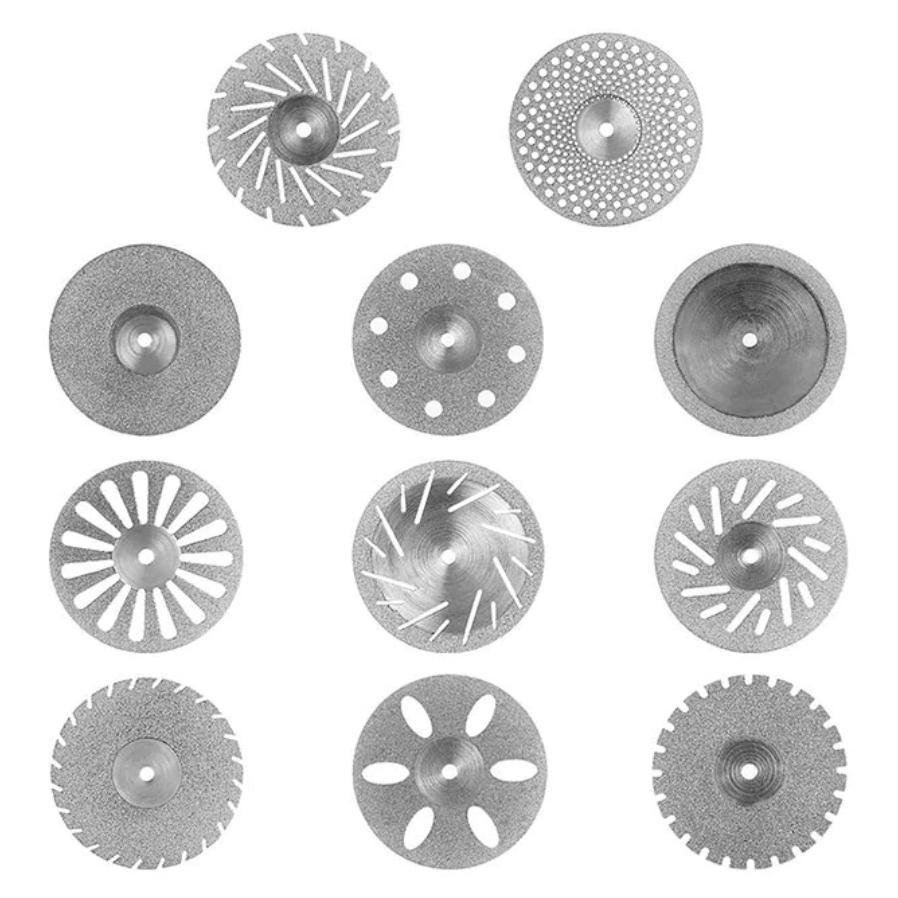
Dental restoration involves repairing or replacing damaged teeth to bring back proper function and a natural appearance. Achieving a smooth, accurate finish is one of the most important steps in any restoration procedure. Diamond discs have become a preferred instrument for this purpose, offering reliable cutting performance and finish quality that other abrasive tools often cannot match.
This guide covers what diamond discs are, how they work in restorative dentistry, the different types available, and practical tips for getting the best results.
What Are Diamond Discs?
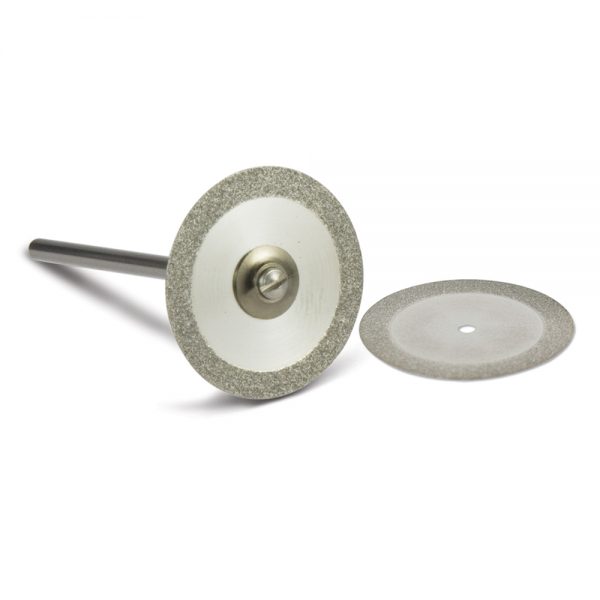
Diamond discs are thin, circular cutting and finishing instruments coated or embedded with diamond particles. The diamond abrasive is bonded to a metal or flexible substrate, creating a tool that cuts through hard dental materials with minimal effort. They attach to standard dental handpieces and are available in a range of diameters, thicknesses, and grit levels.
Unlike solid grinding stones, diamond discs provide a flat cutting profile. This makes them especially useful for tasks that require straight-line cuts, thin slicing, or flat surface finishing.
Types of Diamond Discs Used in Dentistry
Not all diamond discs are the same. Selecting the right type depends on the material being worked on and the stage of the procedure.
By Grit Size
| Grit Level | Particle Size | Primary Use |
|---|---|---|
| Coarse | 125–180 μm | Rapid material removal, gross contouring |
| Medium | 60–100 μm | Shaping, initial finishing |
| Fine | 25–50 μm | Smoothing, pre-polishing |
| Superfine | 8–20 μm | Final polishing, high-gloss finish |
By Construction
- Sintered diamond discs — Diamond particles are distributed throughout the disc body. These last longer and withstand heavy use, making them suitable for cutting ceramics and metal frameworks.
- Electroplated diamond discs — A single layer of diamond is bonded to the surface. These are thinner and provide finer cuts but wear out faster. They work well for trimming composites and veneers.
- Flexible diamond discs — Built on a bendable substrate, these conform to tooth contours during finishing and polishing steps.
For a deeper comparison of bonding methods, see our guide on sintered vs. electroplated diamond burs, which covers the same principles that apply to disc construction.
Why Diamond Discs Excel in Restorative Work
Several properties make diamond discs especially effective for dental restorations.
Precision Cutting
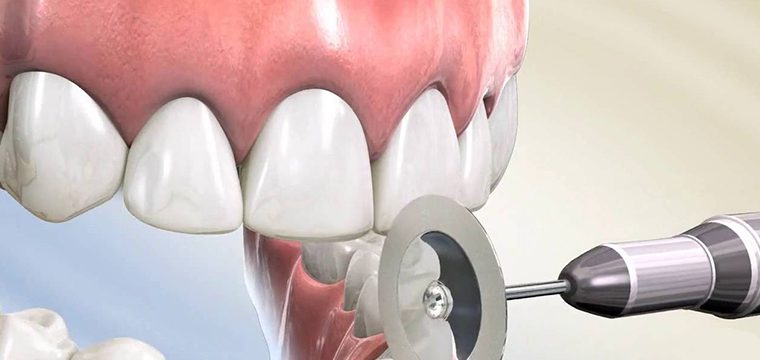
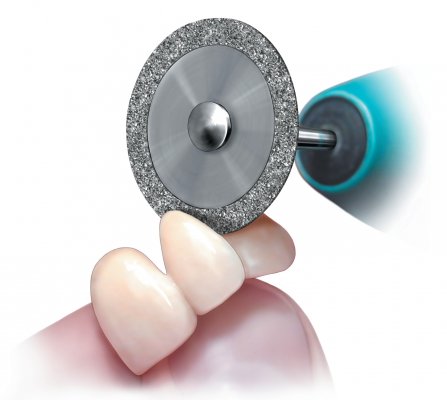
The thin profile of a diamond disc allows for narrow, controlled cuts. This is important when separating crowns, trimming interproximal surfaces, or adjusting the margins of ceramic restorations. The flat cutting edge reduces the risk of gouging adjacent teeth or soft tissue.
Surface Finish Quality
A well-finished restoration resists plaque buildup and feels comfortable for the patient. Diamond discs, particularly in fine and superfine grits, produce a surface smoothness that reduces the need for additional polishing steps. This matters for both anterior restorations (where appearance is a priority) and posterior restorations (where smooth occlusal contacts prevent premature wear).
Long-Lasting Sharpness
Diamond is the hardest natural material, and discs made with diamond abrasive maintain their cutting ability far longer than aluminum oxide or silicon carbide alternatives. This translates to consistent performance across multiple uses and lower per-procedure costs over time.
Material Versatility
Diamond discs cut through enamel, dentin, composite resin, porcelain, zirconia, and metal alloys. This versatility means fewer instrument changes during a procedure, saving both time and effort.
Common Applications in Dental Restoration
Diamond discs serve multiple roles throughout the restorative workflow.
Crown and Bridge Adjustments
After seating a crown or bridge, minor occlusal and marginal adjustments are often needed. A medium-grit diamond disc can trim excess material without disturbing the fit, followed by a fine disc for smoothing.
Composite and Veneer Finishing
Direct composite restorations and porcelain veneers benefit from sequential finishing with progressively finer diamond discs. Starting with a medium grit to remove flash and shape contours, then moving to fine and superfine grits, produces a polished surface that mimics natural enamel.
Interproximal Reduction (IPR)
Thin diamond discs are the standard tool for interproximal reduction in orthodontic treatments and restorative cases where space management is needed. Their controlled thickness allows precise enamel removal measured in tenths of a millimeter. If you work with IPR procedures regularly, our article on dental IPR kits covers instrument selection and technique in detail.
Sectioning and Removal
When an old restoration or failed crown must be removed, a coarse diamond disc can section it efficiently. The flat cutting action produces clean separation lines, reducing the risk of damage to the underlying tooth structure.
Best Practices for Using Diamond Discs
Following proper technique protects both the patient and the instrument.
- Match the grit to the task. Start with a coarser grit for material removal and step down to finer grits for finishing. Skipping grit levels can leave scratches that are difficult to remove later.
- Use light, consistent pressure. Let the diamond abrasive do the work. Excessive force generates heat, increases the risk of pulp damage, and accelerates disc wear.
- Maintain adequate cooling. Always use water spray when cutting with diamond discs. Dry cutting raises temperatures quickly, which can cause thermal injury to the pulp or damage ceramic materials.
- Keep the disc moving. Holding the disc in one spot concentrates heat and creates uneven surfaces. Use smooth, sweeping motions across the work area.
- Inspect discs before use. Check for bent edges, missing diamond segments, or wobble when spinning. A damaged disc produces poor results and can injure soft tissue.
- Follow single-use guidelines where applicable. Flexible and electroplated discs are often designed for single-patient use. Sintered discs can be sterilized and reused, but their cutting performance should be evaluated before each use.
Choosing the Right Diamond Disc
When selecting diamond discs for your practice, consider these factors:
- Diameter: Smaller discs (10–14 mm) offer better access in tight areas. Larger discs (18–22 mm) cover more surface area for lab work and extraoral adjustments.
- Thickness: Thinner discs (0.15–0.20 mm) are preferred for IPR and fine slicing. Thicker discs (0.30–0.50 mm) provide more rigidity for heavy cutting.
- Mandrel compatibility: Confirm that the disc fits your existing handpiece mandrels. Most discs use a standard snap-on or screw-type attachment.
- Flexibility: Rigid discs work best for straight cuts. Flexible discs adapt to curved surfaces during finishing and polishing.
Burdental offers a range of diamond dental instruments including discs in multiple grit levels and sizes to suit both clinical and laboratory applications.
Potential Limitations
While diamond discs are highly effective, they do have some limitations worth noting:
- Heat generation: Without proper water cooling, friction can raise temperatures enough to damage pulp tissue or weaken bonding agents.
- Cost: Diamond discs generally cost more than rubber or silicon carbide alternatives, though their longer lifespan often offsets the initial expense.
- Breakage risk: Very thin discs can fracture under lateral pressure. Proper angulation and light touch are necessary to avoid breakage.
These limitations are manageable with correct technique and do not diminish the overall value that diamond discs bring to restorative procedures.
Maintaining Your Diamond Discs
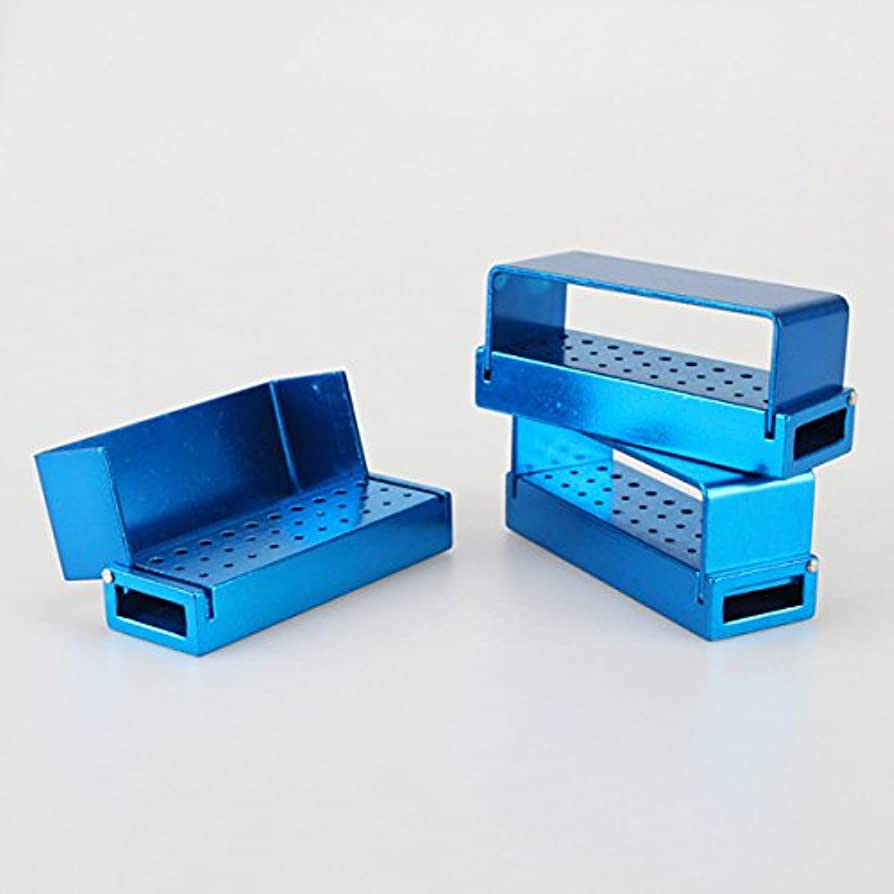
Proper care extends the useful life of reusable diamond discs. After each use, clean the disc with an ultrasonic cleaner or brush to remove debris lodged between diamond particles. Sterilize according to the manufacturer's recommendations — most sintered discs tolerate standard autoclave cycles. Store discs in a dedicated organizer to prevent edge damage from contact with other instruments. The same cleaning principles apply to all diamond-coated instruments in your inventory.
Summary
Diamond discs are a practical, high-performance tool for dental restorations. Their ability to cut precisely, finish smoothly, and work across a wide range of materials makes them a valuable addition to any restorative workflow. By selecting the correct disc type, following proper technique, and maintaining your instruments, you can consistently deliver restorations that perform well and look natural.