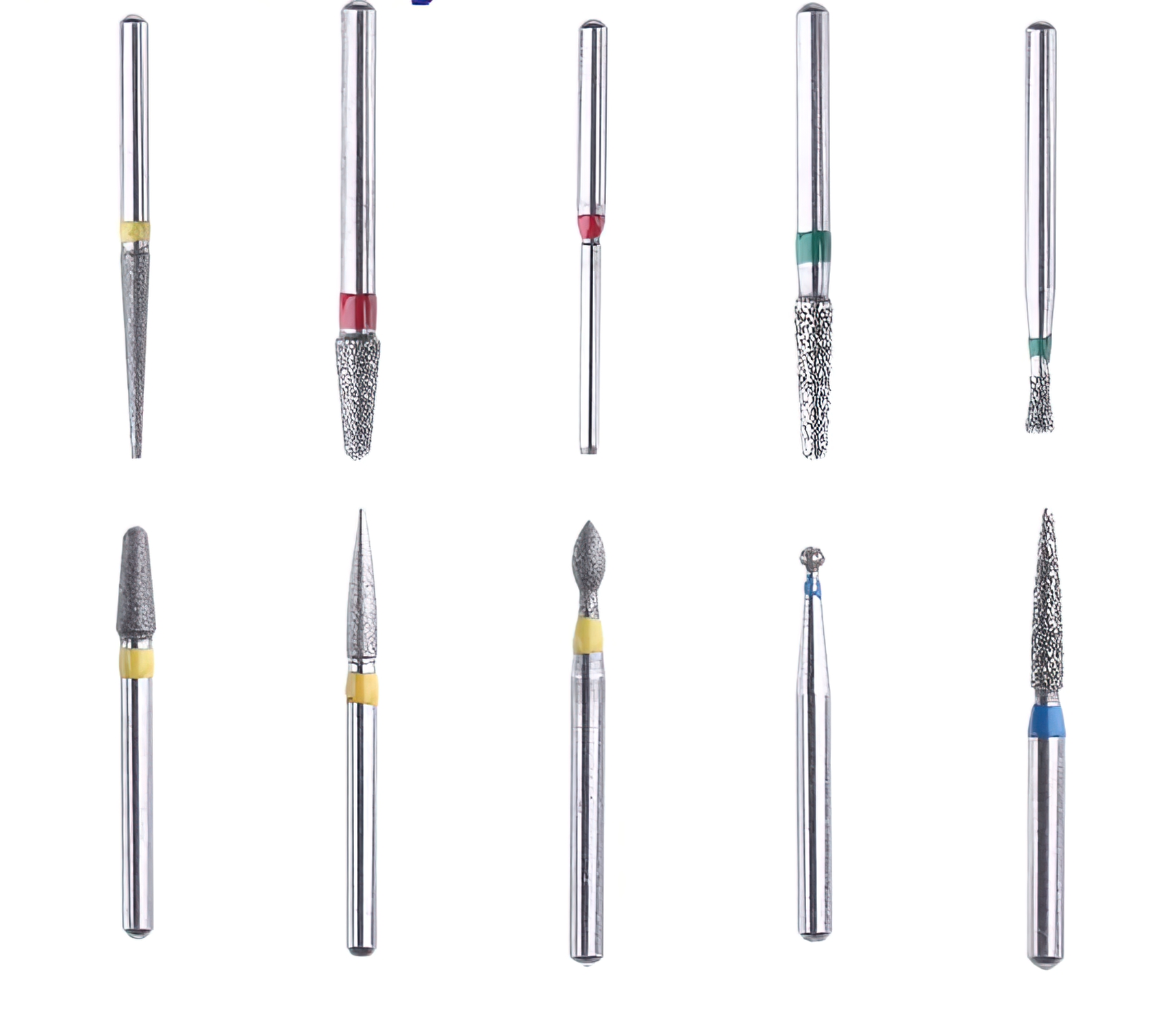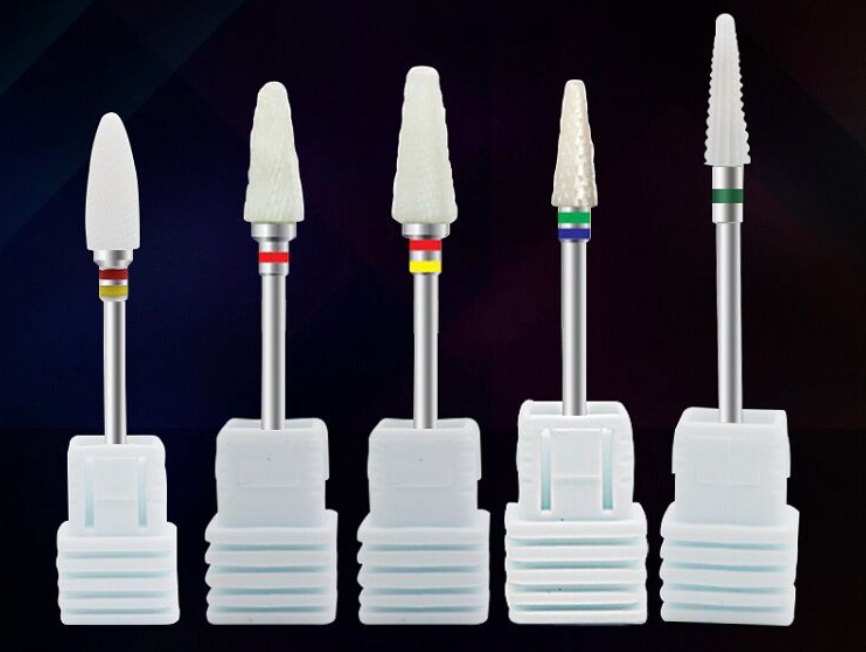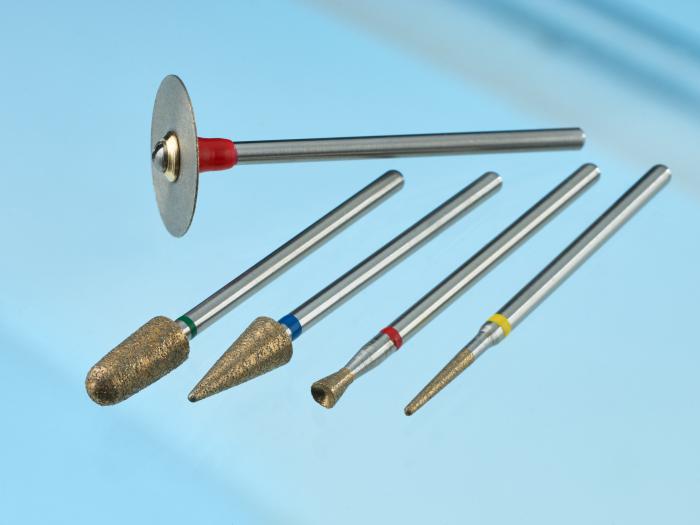
Tungsten carbide burs are among the most versatile rotary cutting tools available. They are used across metalworking, tool manufacturing, engineering, wood carving, jewelry making, and dental laboratory work for cutting, shaping, grinding, deburring, and removing excess material from a wide range of substrates.
If you have ever shopped for tungsten carbide burs, you have likely noticed that most are offered in two flute configurations: single-cut and double-cut. The difference between these two options is not just cosmetic. Each cut pattern produces different chip behavior, surface finish, and operator control. Choosing the wrong one can mean a clogged bur, a rough surface, or slower work than necessary.
This article explains the differences between single-cut and double-cut tungsten carbide burs, covers the best applications for each, and provides practical guidance for selecting the right option.
What Is a Single-Cut Tungsten Carbide Bur?
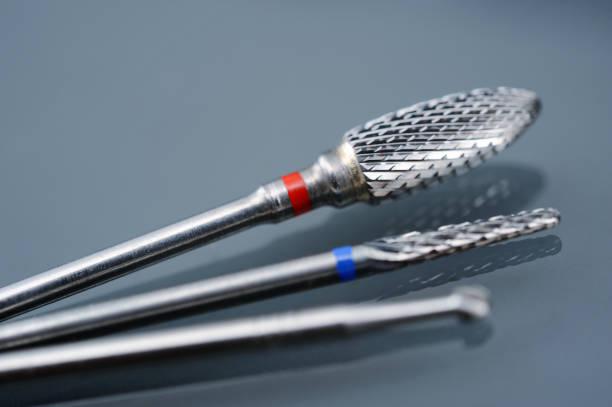
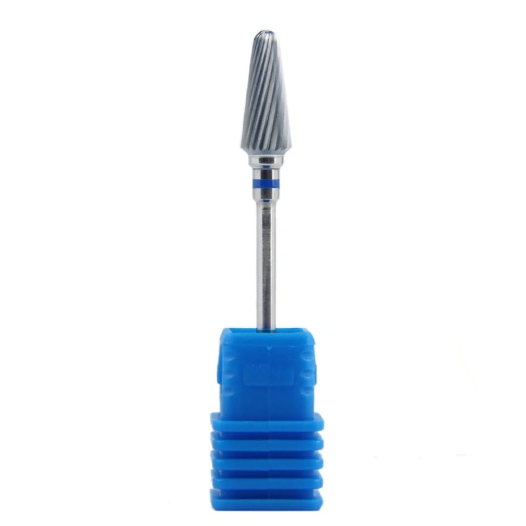
A single-cut carbide bur has flutes (grooves) that run in one direction across the cutting surface. You can identify a single-cut bur by looking at the head: the lines all run parallel to each other in a single spiral pattern.
This one-directional flute design produces longer chips during cutting. The larger chip channels allow material to clear away from the cutting zone quickly, which reduces the chance of clogging. Single-cut burs remove material at a steady, controlled rate and leave a relatively smooth finish in a single pass.
Best Applications for Single-Cut Carbide Burs
Single-cut tungsten carbide burs perform best on hard metals and materials that tend to load up (clog) in rotary tools. Common applications include:
- Hard steel and chrome steel — the long chip formation prevents packing between flutes.
- Cast iron — single-cut burs handle the brittle chip characteristics of cast iron without excessive vibration.
- Brass and copper — softer non-ferrous metals that clog double-cut burs often work better with single-cut geometry.
- Aluminum — this is one of the most clog-prone materials. Single-cut burs resist aluminum loading significantly better than double-cut alternatives.
- Ferrous metals in general — any application where long, clean chip evacuation is a priority.
Beyond material-specific uses, single-cut burs are well-suited for milling, deburring, and rapid material removal tasks where the operator needs to clear large amounts of stock efficiently.
What Is a Double-Cut Tungsten Carbide Bur?
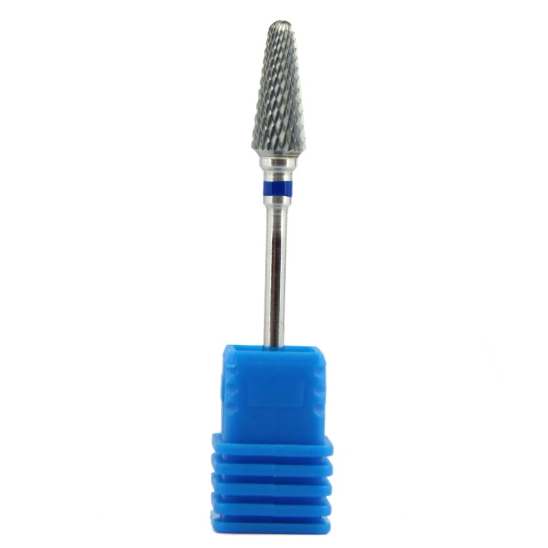
A double-cut carbide bur has two sets of flutes that cross each other, creating a diamond-shaped (crosshatch) pattern on the cutting surface. This design gives the bur significantly more cutting edges per unit area than a single-cut bur.
The crosshatch pattern breaks chips into smaller pieces instead of producing long spirals. Smaller chips mean less pulling force on the workpiece, which gives the operator better control over the tool. The two opposing flute directions also help balance the lateral forces during cutting, making the bur feel more stable in hand.
Best Applications for Double-Cut Carbide Burs
Double-cut tungsten carbide burs work well on softer materials and in situations where surface finish quality matters more than removal speed. Common applications include:
- Soft steel — the finer chip size produces a smoother surface than single-cut on mild steels.
- Non-ferrous metals — when working with alloys that do not clog easily, double-cut burs give a finer finish.
- Plastics and acrylics — the smaller chips reduce the risk of melting and re-welding that can occur with aggressive single-cut geometry.
- Wood — double-cut burs carve wood cleanly without tearing the grain.
- Finishing and detail work — anywhere a smoother surface is needed after an initial roughing pass.
Double-cut burs are also the better choice for less experienced operators. The reduced pulling action and improved balance make the tool more forgiving and easier to guide along contoured surfaces. If you are setting up a new technician in a dental lab, starting them with double-cut burs for manual finishing tasks is a practical approach.
Side-by-Side Comparison
The table below summarizes the key differences between single-cut and double-cut tungsten carbide burs.
| Feature | Single-Cut | Double-Cut |
|---|---|---|
| Flute pattern | One direction (parallel lines) | Two directions (crosshatch) |
| Chip size | Long, continuous chips | Small, broken chips |
| Material removal rate | Fast bulk removal | Moderate, more controlled |
| Surface finish | Good (smooth in one pass) | Better (finer crosshatch pattern) |
| Clog resistance | High (excellent chip clearance) | Lower (more edges trap soft material) |
| Operator control | Requires more experience | Easier to handle |
| Best for hard metals | Yes | No (better for soft materials) |
| Best for finishing | Adequate | Preferred |
How Flute Design Affects Performance
Understanding why each cut pattern behaves differently requires a closer look at the mechanics of chip formation.
When a single-cut bur rotates against a workpiece, each flute scoops out a continuous ribbon of material. Because there is only one set of flutes, the chip has a clear path to exit the cutting zone. This is why single-cut burs resist clogging: the open channels between flutes act as escape routes for chips. The trade-off is that the longer chips create more pulling force, which can make the bur feel aggressive, especially at high speeds.
A double-cut bur, by contrast, has intersecting flutes that interrupt chip formation. Each chip is broken into a small fragment at the point where two flutes cross. The result is a swarm of tiny particles rather than long ribbons. These small particles create less pulling force but can accumulate in the tighter spaces between crossing flutes if the material is soft and sticky (like pure aluminum).
For dental lab technicians who work with both laboratory tungsten carbide burs and hand-finishing instruments, recognizing how flute geometry interacts with each material saves time and reduces wasted burs. The same principles that apply to metalworking carbide burs also apply to dental-specific shapes, such as those used in cemented carbide classifications across different clinical and lab tasks.
Choosing Between Single-Cut and Double-Cut
The decision comes down to three questions:
1. What Material Are You Working On?
Hard metals (steel, chrome steel, cast iron) and clog-prone materials (aluminum, brass) work better with single-cut burs. Soft metals, plastics, wood, and composites generally pair better with double-cut burs.
2. Do You Need Speed or Finish Quality?
If the goal is fast stock removal and the surface will be finished later, single-cut is the faster option. If you need a smooth surface in fewer passes, double-cut saves time on secondary finishing. Many professionals use both: a single-cut bur for roughing followed by a double-cut bur for finishing. This is similar to the roughing-to-finishing workflow used with dental finishing burs.
3. What Is the Operator's Experience Level?
New operators benefit from the stability and reduced pulling force of double-cut burs. Experienced operators who can manage higher feed rates and faster material removal often prefer single-cut burs for their efficiency.
Care and Maintenance Tips
Regardless of cut type, proper maintenance extends the useful life of tungsten carbide burs:
- Clean flutes regularly. Use a brass brush or ultrasonic cleaner to remove embedded material. Clogged flutes increase heat and accelerate wear.
- Match speed to material. Excessive RPM generates heat that can soften the carbide grain structure. Follow the manufacturer's speed recommendations for each material.
- Apply light pressure. Let the bur do the cutting. Pressing too hard causes premature edge dulling and can snap smaller bur heads.
- Store in a bur block or holder. Loose storage causes flutes to chip against other tools. A dedicated bur block protects cutting edges and keeps your inventory organized.
- Replace at the right time. A dull bur generates more heat, produces rougher finishes, and requires more operator force. Replace burs when you notice increased vibration or a decline in surface quality.
Summary
Single-cut and double-cut tungsten carbide burs are designed for different tasks, and using the right one makes a measurable difference in efficiency and finish quality. Single-cut burs excel at fast material removal on hard and clog-prone materials, while double-cut burs deliver finer finishes on softer substrates with greater operator control. For the best results, consider keeping both types in your inventory and matching the cut pattern to each specific job.