Dental Polishing Brushes: What Every Practitioner Should Know
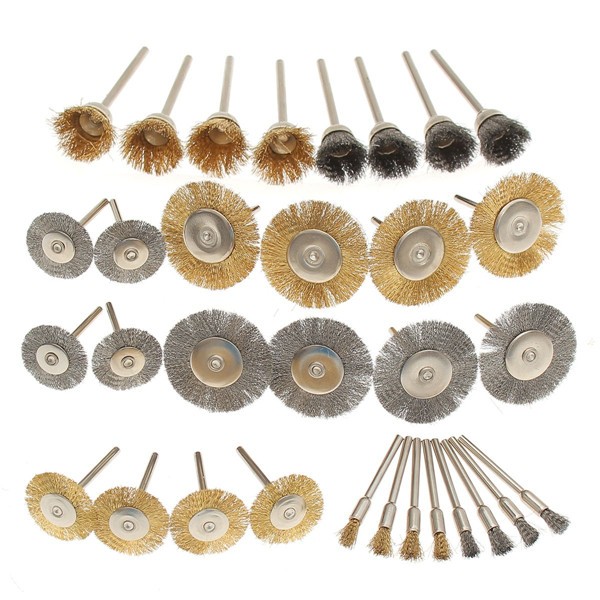
Polishing brushes are among the most frequently used finishing instruments in dental practices and laboratories. Whether you are smoothing a composite restoration, buffing a porcelain crown, or preparing a metal framework for final delivery, the right polishing brush makes a noticeable difference in the end result. This guide covers the main types of polishing brushes, their materials, correct usage techniques, and the precautions that help extend brush life.
What Is a Polishing Brush?
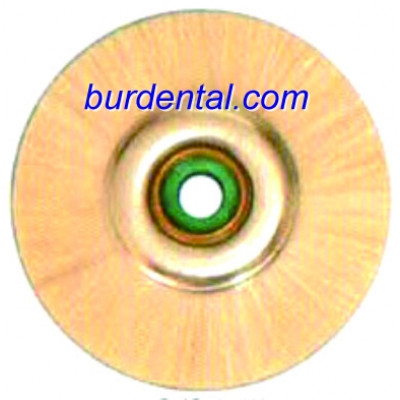
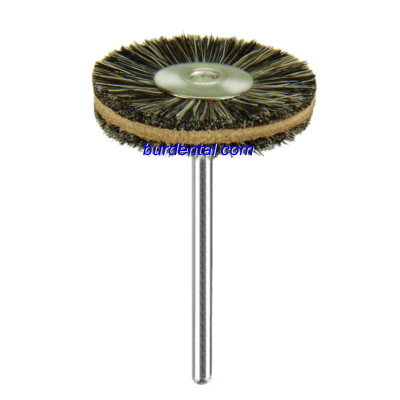
A polishing brush is a rotary finishing instrument fitted to a dental handpiece or laboratory motor. It consists of a central mandrel (usually stainless steel) surrounded by bristle filaments arranged in a disc, cup, or wheel shape. When the brush spins against a surface, the bristles remove fine scratches, smooth irregularities, and create a uniform luster.
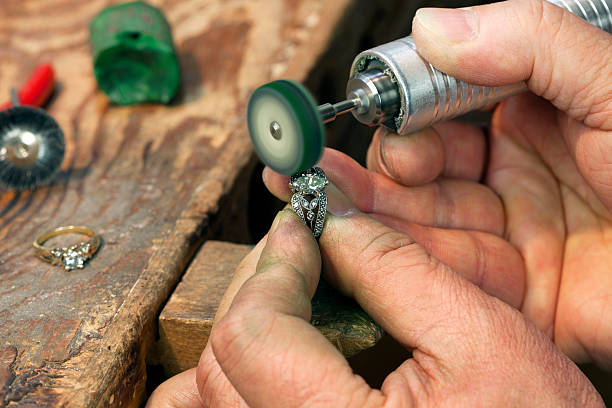
Polishing brushes are not limited to dentistry. They also appear in jewelry fabrication, automotive detailing, ceramic production, nail care, and industrial deburring. However, dental-grade brushes must meet stricter standards for biocompatibility, sterilizability, and dimensional accuracy because they operate inside or on materials destined for the oral cavity.
Common Polishing Brush Materials
The bristle material determines how aggressively a brush cuts and what surfaces it suits. Here is a breakdown of the most widely used options:
| Bristle Material | Hardness | Best For |
|---|---|---|
| Goat hair | Very soft | Final high-shine polish on porcelain and gold |
| Horsehair | Soft | Pre-polishing ceramics, smoothing acrylic |
| Bristle (pig) | Medium | General-purpose polishing of metal alloys and resin |
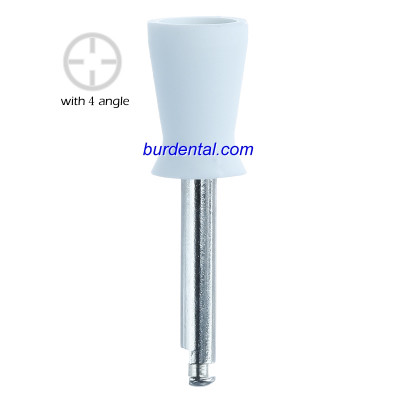
| Nylon | Medium | Cleaning, light polishing, prophylaxis cups |
| Steel wire | Hard | Deburring cast metal frameworks |
| Brass wire | Medium-hard | Polishing softer metals without discoloration |
| Abrasive-impregnated nylon | Variable | One-step polishing of composites and acrylics |
Selecting the wrong material is one of the most common mistakes. A steel-wire brush used on a ceramic veneer will scratch the glaze beyond repair, while a goat-hair brush on a rough casting will accomplish almost nothing. Always match the bristle hardness to the material and the finishing stage.
Types of Polishing Brushes by Shape
Shape affects access and contact area. The three main configurations are:
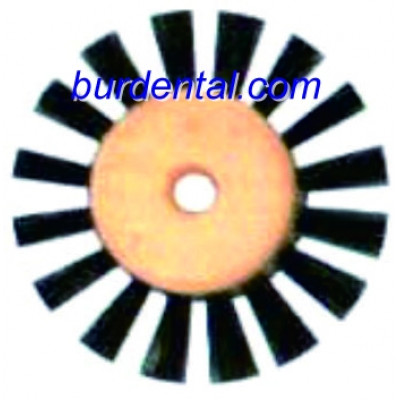
- Wheel brushes -- flat discs of bristles ideal for broad, open surfaces such as the buccal face of a crown or the outer contour of a denture base.
- Cup brushes -- concave profiles that wrap around convex anatomy. Cup brushes work well on occlusal surfaces, cusp tips, and marginal ridges.
- Pointed or tapered brushes -- narrow tips designed for interproximal areas, embrasures, and internal surfaces of partial denture frameworks.
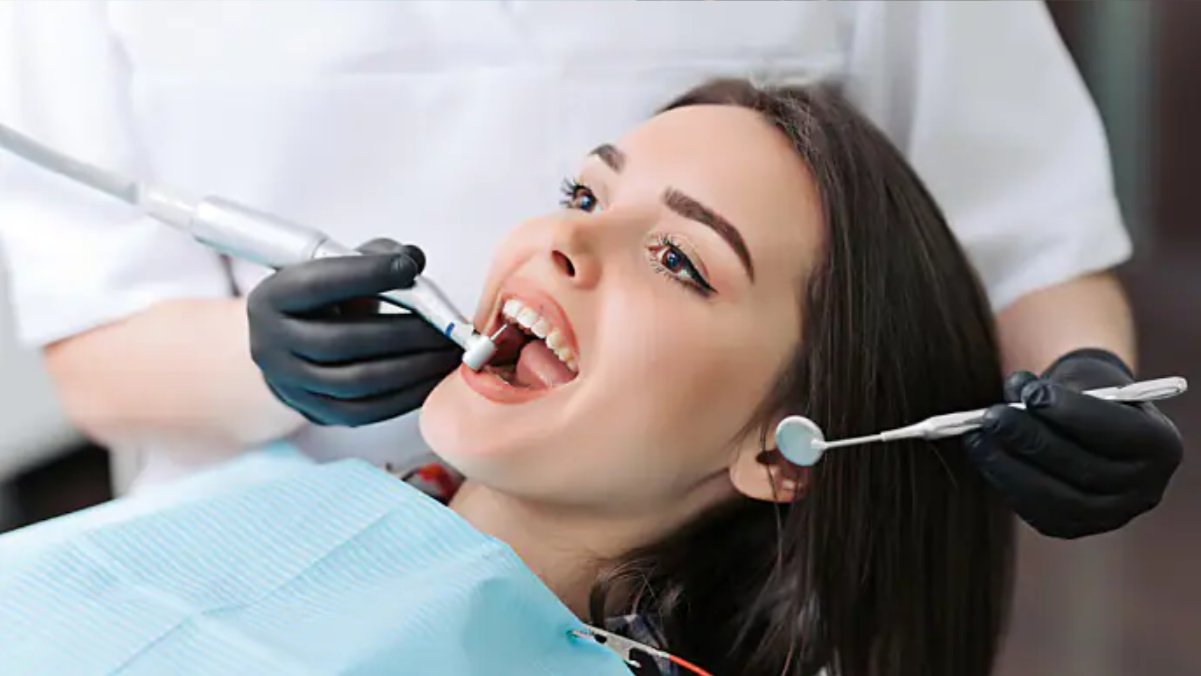
Many manufacturers also offer miniature brush heads that fit friction-grip (FG) or right-angle (RA) shanks for intraoral use. Larger mandrel-mounted versions are common in the dental laboratory, where technicians run them on bench motors at controlled speeds.
Proper Usage Techniques
Getting the best finish from a polishing brush depends on technique as much as material selection. Follow these guidelines:
Speed Settings
Run polishing brushes at low to moderate RPM. Excessive speed generates frictional heat that can damage the restoration surface, warp nylon bristles, or cause natural-hair bristles to break prematurely. A range of 5,000 to 15,000 RPM works for most brush types. Steel-wire brushes can tolerate slightly higher speeds, but heat remains a concern on thin metal margins.
Pressure and Motion
Apply light, consistent pressure and keep the workpiece moving against the brush. Holding one spot too long concentrates heat and can create grooves or flat spots. Use sweeping passes that follow the contour of the restoration. For cup brushes in the mouth, move the handpiece in small overlapping arcs across the tooth surface.
Polishing Compounds
Most polishing brushes perform better with an appropriate compound. Common options include pumice slurry for initial smoothing, tin oxide paste for high-shine ceramic finishing, and rouge (iron oxide) for gold alloys. Apply the compound to the brush or directly to the workpiece, not both at once, to avoid splattering. When working intraorally, use a water-soluble prophy paste rated to the correct grit for the restoration material.
Precautions and Maintenance
Polishing brushes are consumable instruments, but proper care extends their useful life and improves safety.
Material Matching
Always choose the brush material based on what you are polishing. Using a brass-wire brush on a cobalt-chrome framework is fine, but that same brush will gouge a composite buildup. Keep separate brushes for metals, ceramics, and resin-based materials to avoid cross-contamination of abrasive particles.
Avoid Excessive Pressure
Pressing too hard does not speed up polishing. Instead, it splays the bristles outward, reduces contact efficiency, and shortens brush life. Excessive force on wire brushes can snap individual wires, creating sharp projectiles. Wear safety glasses whenever operating rotary brushes, and use a face shield in the laboratory when running bench motors at higher speeds.
Heat Management
Overheating is the primary risk during power polishing. On acrylic and composite materials, friction can raise surface temperature past the glass-transition point, causing distortion. On natural teeth during prophylaxis, excess heat may irritate the pulp. Use intermittent contact and, where possible, water spray to keep temperatures under control.
Cleaning and Sterilization
After each use, remove residual polishing compound by rinsing the brush under running water and gently brushing out trapped debris with a stiff-bristle cleaning tool. Autoclavable brushes should be sterilized between patients according to the manufacturer's temperature guidelines. Natural-hair brushes generally tolerate steam autoclaving, but repeated cycles will shorten their lifespan. Consider single-use disposable brushes for infection-sensitive procedures. For more detail on instrument upkeep, see our guide on keeping your burs and discs in top condition.
Choosing the Right Brush Size
A general rule for internal polishing (such as pipe interiors or access channels) is to select a brush diameter 5 to 15 percent larger than the bore. This ensures the bristles maintain consistent contact with the walls without excessive deformation. For external surface work, choose a wheel or cup diameter that covers the target area efficiently while still allowing you to see your work.
When to Replace a Polishing Brush
Replace a brush when the bristles become noticeably shorter, permanently splayed, or unevenly worn. A brush that has lost its original profile will produce inconsistent results and may score the surface rather than polish it. In a busy practice or lab, tracking the number of sterilization cycles or cases per brush helps establish a reliable replacement schedule.
Polishing Brushes vs. Rubber Polishers
Silicone rubber polishers and polishing brushes serve overlapping but distinct roles. Rubber polishers contain embedded abrasive particles and work well on composites, ceramics, and some metal alloys with minimal compound needed. Brushes offer greater flexibility for irregular anatomy and tighter interproximal spaces. Many clinicians use a rubber polisher for broad contouring and a brush for final luster and detail work. If you are comparing the two, our silicone rubber polisher catalog shows the available grits and shapes.
To understand how different bristle fibers compare side by side, read our article on differences between cloth and goat-hair polishing brushes.
Summary
Polishing brushes remain indispensable for achieving smooth, high-luster finishes on dental restorations and prosthetics. Selecting the correct bristle material, matching the brush shape to the anatomy, running at appropriate speeds, and applying light pressure are the keys to consistent results. Combined with proper cleaning and timely replacement, a well-chosen polishing brush delivers professional-grade finishes case after case. Browse our full range of dental polishing accessories to find the right brush for your workflow.