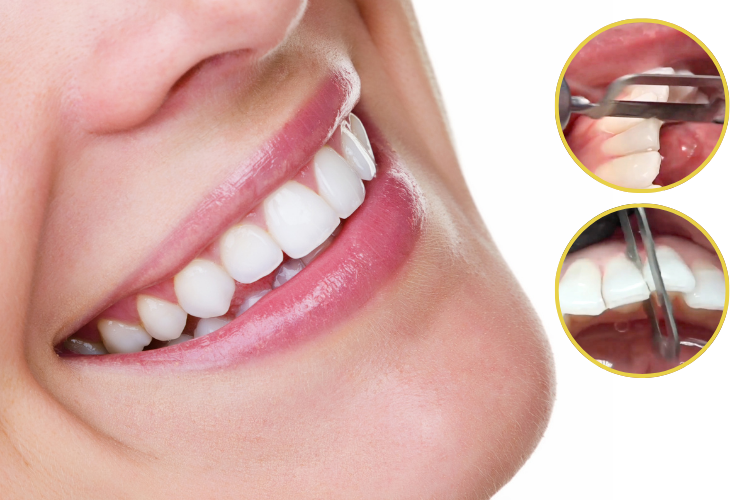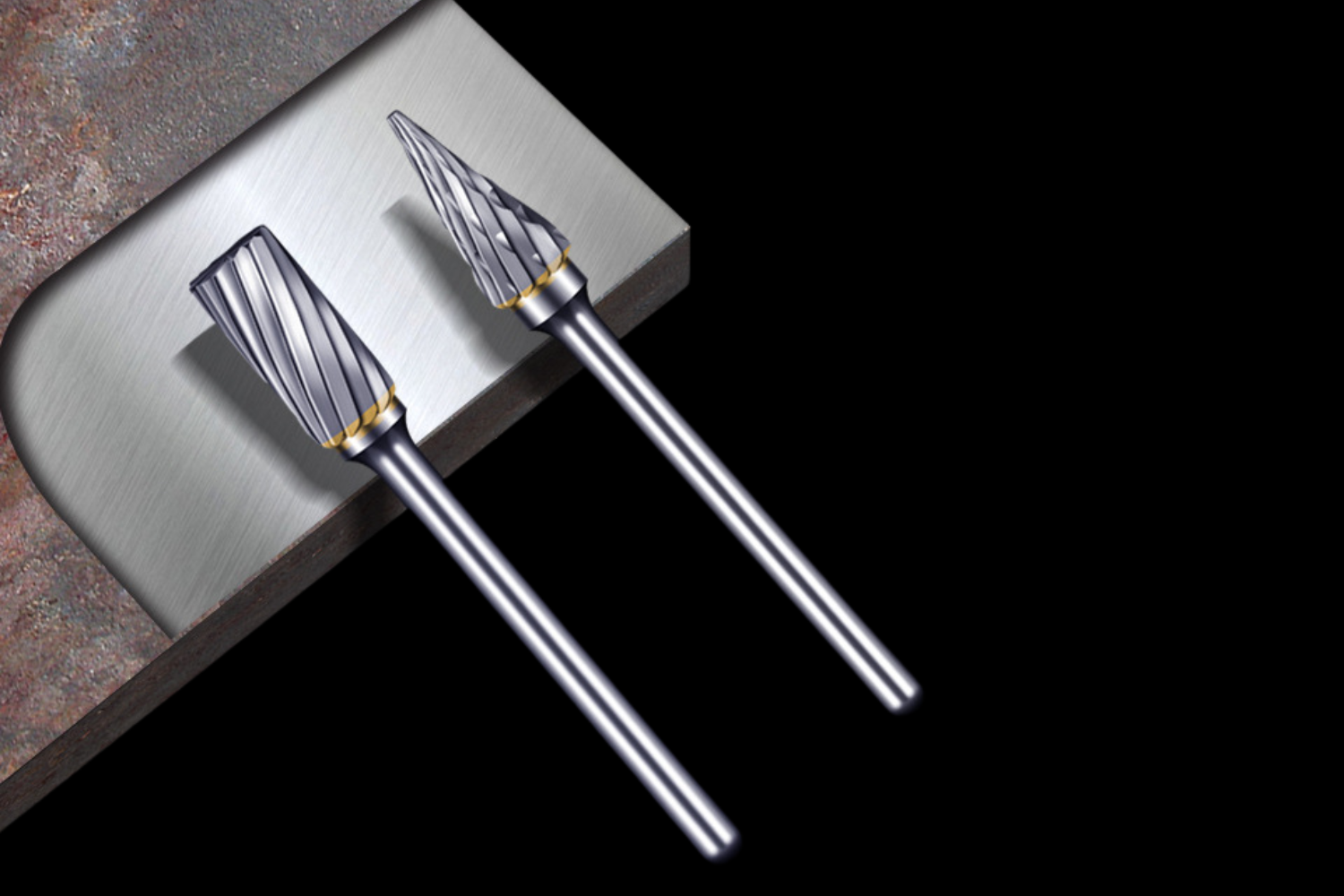
Mounted stones remain a staple in both the dental operatory and the lab bench. Among them, green stones (silicon carbide) and white stones (aluminum oxide) are the two most commonly used — yet they serve distinctly different purposes. Picking the wrong one costs time, damages restorations, or leaves a rough finish that requires extra polishing steps.
This article breaks down the material composition, hardness, recommended speeds, and best-use scenarios for each stone type so you can make a confident choice every time you reach for your handpiece.
Material Composition and Hardness
The performance difference between green and white stones comes down to their abrasive grain. Each material has physical properties that dictate how aggressively it cuts and what kind of surface it leaves behind.
| Property | Green Stone | White Stone (Arkansas) |
|---|---|---|
| Abrasive Material | Silicon carbide (SiC) | Aluminum oxide (Al₂O₃) |
| Mohs Hardness | ~9.5 | ~9.0 |
| Grit Grade | Medium | Fine |
| Cutting Action | Aggressive, fast stock removal | Gentle, fine finishing |
| Max Speed | Up to 150,000 RPM | 7,000–10,000 RPM |
| Available Shanks | FG, RA, HP | FG, RA, HP |
| Typical Role | Contouring and shaping | Finishing and smoothing |
Silicon carbide's higher hardness and coarser grain make green stones more aggressive cutters. Aluminum oxide's finer grit gives white stones a polishing quality that leaves smoother surfaces on enamel and composite. If you are unfamiliar with the FG, RA, and HP shank designations, our guide on dental bur shank types explains the differences.
White Stone: When Fine Finishing Matters
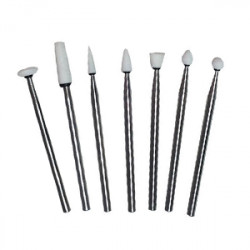
White stones — sometimes called Arkansas stones — excel at tasks where surface smoothness is the priority. Because aluminum oxide is slightly softer than silicon carbide and the grit is finer, white stones remove material slowly and leave minimal scratching. They sit at the finishing end of the workflow, after gross shaping has already been completed with a coarser instrument.
Best Clinical Uses for White Stones
- Composite finishing — smoothing direct composite restorations after contouring with a carbide or green stone. The fine grit eliminates surface irregularities without gouging the resin.
- Porcelain adjustment — fine-tuning occlusal contacts on ceramic crowns without introducing subsurface microcracks that could weaken the restoration over time.
- Enamel recontouring — minor reshaping of natural enamel during cosmetic procedures such as tooth slenderizing or incisal edge alignment.
- Compomer finishing — gentle polishing of glass-ionomer-modified composites, which are softer than conventional composites and scratch easily.
Run white stones at the lower end of their speed range (7,000–10,000 RPM) with light, intermittent pressure. Overheating is the main risk — use water spray and let the stone do the work. Pressing harder does not speed up the process; it just generates heat that can cause pulpal irritation or thermal damage to the restoration.
White Stone Shapes
White stones are available in a range of head geometries, each suited to a different area of the mouth or restoration. Common shapes include pointed cones for interproximal areas, flame shapes for lingual and buccal surfaces, and round or barrel shapes for broad occlusal surfaces. Matching the stone shape to the surface you are finishing reduces the chance of accidentally contacting adjacent teeth.
Green Stone: The Workhorse for Contouring
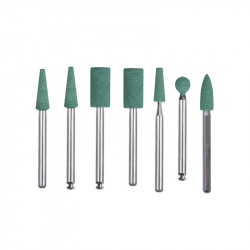
Green stones handle a wider range of tasks and tolerate much higher speeds than white stones. The silicon carbide grain bites into ceramics, alloys, amalgam, and acrylics with ease, making green stones the default choice when you need to shape or contour before final polishing. Their versatility is the main reason most dental trays include more green stones than any other mounted stone color.
Best Clinical Uses for Green Stones
- Ceramic and porcelain contouring — adjusting the anatomy of all-ceramic or PFM restorations chairside after seating. Green stones remove high spots without the microcrack risk associated with aggressive diamond burs.
- Amalgam finishing — smoothing newly placed amalgam restorations to reduce plaque accumulation and improve patient comfort.
- Alloy trimming — removing flash or excess material from cast metal frameworks, especially on gold and palladium substructures.
- Surface characterization — adding subtle texture to ceramic surfaces before glazing to mimic the natural developmental anatomy of teeth.
- Custom shaping — the stone can be dressed with an abrasive dresser to create non-standard profiles for specific anatomical needs.
For more detail on why green stones are the go-to for ceramic and precious-metal work, see our dedicated article: Why Green Stones Excel on Ceramics and Precious Metal.
Green Stone Shapes
Green stones come in cylinder, flame, ball, tapered cone, and pointed cone profiles. Cylinders handle flat surfaces and broad contours. Flames reach into interproximal spaces. Ball shapes work well in concavities and fossae. Tapered cones blend transitions between surfaces, and pointed cones handle tight grooves and fine detail. Choosing the right shape saves time and prevents accidental damage to adjacent margins.
Laboratory Applications
In the dental lab, mounted stones are sorted by color, and each color signals a different grit and intended use. Lab technicians typically work through all three colors in sequence during a single case.
| Stone Color | Grit | Primary Lab Use |
|---|---|---|
| Green | Medium | Contouring ceramic and zirconia frameworks |
| Pink | Medium | Grinding metal and alloy castings |
| White | Fine | Final finishing of metals, alloys, and composites |
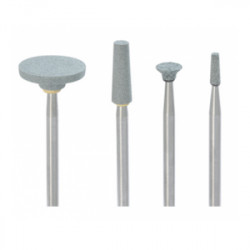
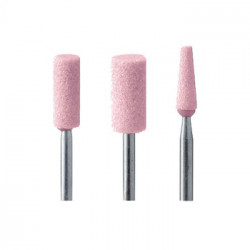
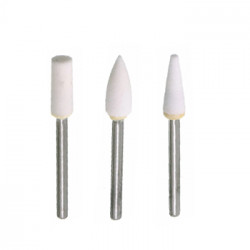
A typical lab workflow moves from green (shape) to pink (refine on metal) to white (finish). Following this sequence minimizes the risk of removing too much material in the later stages. Skipping the green stone step and going directly to pink or white usually results in longer finishing time because the finer stones are not designed for bulk removal.
Choosing Between Green and White: A Quick Decision Guide
If you are unsure which stone to grab, ask yourself two questions:
- Am I removing material or refining a surface? Removing material or adjusting anatomy means you need a green stone. Refining an already-shaped surface means you need a white stone.
- What substrate am I working on? Ceramics, alloys, and acrylics respond well to green stones. Composites, enamel, and porcelain final finishes call for white stones.
Many practitioners keep both on the tray and work sequentially: green stone first for gross adjustment, then white stone (or a silicone polisher) for the final surface. This two-step approach consistently delivers better results than trying to do everything with a single instrument.
Speed and Pressure Tips
Improper speed or pressure is the most common cause of poor results with mounted stones. Here is what to keep in mind for each type.
- Green stones: Can run up to 150,000 RPM in a high-speed handpiece, but 20,000–30,000 RPM in a low-speed handpiece is typical for lab work. Use moderate, steady pressure. Let the stone rotate fully before contacting the surface — stabbing the stone into the material while it is still accelerating causes uneven cuts.
- White stones: Keep below 10,000 RPM. Use light, sweeping strokes. Excessive pressure generates heat that can damage composite or cause pulpal irritation. If you notice discoloration on the substrate, you are pressing too hard.
- Both stones: Always use water coolant when working intraorally. In the lab, air cooling is usually sufficient at lower speeds. Replace any stone that shows visible wobble or uneven wear.
Maintenance and Lifespan
Mounted stones are consumable — they wear down with use and should be discarded when the head becomes visibly undersized or eccentric. A few habits extend their working life and keep results consistent.
- Store stones in a dry organizer to prevent chipping from contact with other instruments.
- Clean after each use with an ultrasonic cleaner or brush before sterilization. Embedded debris clogs the abrasive grain and reduces cutting efficiency. For a full protocol, consult our sterilization guide for dental burs.
- Inspect shanks for bending — a bent shank causes wobble that damages both the stone and the restoration.
- Do not reuse a stone that has been dropped on a hard surface. Impact fractures may not be visible but can cause the head to fragment during use.
Common Mistakes to Avoid
Even experienced operators occasionally fall into these traps when using mounted stones:
- Using a white stone for bulk removal. White stones are not designed for aggressive cutting. Forcing them into that role overheats the substrate and wears out the stone prematurely.
- Running a green stone without coolant intraorally. Silicon carbide generates significant heat at high speed. Without water spray, you risk thermal injury to the pulp.
- Ignoring stone shape selection. A cylinder stone used in a concavity leaves flat spots. Match the stone profile to the surface geometry for a natural result.
- Skipping the polishing step after green stone use. Green stones leave a medium-grit surface that collects plaque. Always follow with a white stone, diamond rubber polisher, or silicone wheel to achieve a smooth, glaze-like finish.
Where to Source Quality Stones
Browse our full selection of diamond stones and polishers for both clinical and laboratory applications. Each stone is manufactured with consistent grit bonding to deliver predictable cutting and finishing performance across the full product range.